





















Science & Space: 2 of 10
-
21.
 +35
+35Forever Chemicals Seep Through Human Skin, Alarming Study Confirms
An inescapable form of human pollution is seeping into our bodies in ways we never fully realized.
-
22.
 +30
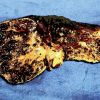
+30A Family Ate 1 Year Old Frozen Leftovers For Breakfast. This Is What Happened To Their Organs.
-
23.
 +33
+33Hermaphroditism: Nature Isn't Binary
-
24.
 +37
+37Survey finds that 60 firms are responsible for half of world’s plastic pollution
Study confirms Philip Morris International, Danone, Nestlé, PepsiCo and Coca-Cola are worst offenders
-
25.
 +36
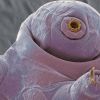
+36Scientists Discover How Tardigrades Survive Blasts of Radiation, And It's Weird
Tardigrades are possibly the most indestructible animal on Earth.
-
26.
 +34
+34Many mental-health conditions have bodily triggers
Psychiatrists are at long last starting to connect the dots
-
27.
 +24
+24Heart of the Matter: Higher LDL on Keto Does NOT Mean More Plaque.
-
28.
 +35
+35How the US is preparing for a potential bird flu pandemic
As the US grapples with an ongoing bird flu outbreak in dairy cattle, the country’s health agencies are ramping up surveillance efforts and working to develop a vaccine if needed
-
29.
 +58
+58Scientists 3D print a robotic hand with human-like bones and tendons
As a layer is printed, an optical scan IDs flaws and corrects them in the next layer.
-
30.
 +36
+36NASA Selects New Crew for Next Simulated Mars Journey - NASA
NASA has selected a new crew of four volunteers to participate in a simulated mission to Mars within a habitat at the agency’s Johnson Space Center in Houston.
-
31.
 +31
+31Cameras reveal wombat burrows can be safe havens after fire and waterholes after rain
Are wombats the accidental heroes of the Australian bush? After the Black Summer bushfires, we set up 56 cameras to capture animal activity in areas with and without wombat burrows to find out.
-
32.
 +28
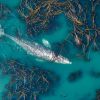
+28These Gray Whales Are Shrinking, and Scientists Aren’t Sure Why
Gray whales in a small group that sticks close to the shores of the Pacific Northwest appear to be shrinking—and shockingly quickly
-
33.
 +53
+53Individuals spending more time in daylight have lower risk of mental health disorders
A recent study data found individuals who spend more time in daylight exhibit a lower risk of major depressive disorder, post-traumatic stress disorder (PTSD), psychosis, and self-harm behavior. Independent of this, greater light exposure during nighttime was associated with increased risks of major depressive disorder, generalized anxiety disorder, PTSD, psychosis, bipolar disorder, and self-harm behavior.
-
34.
 +51
+51Fakes: Not an Internet Thing, but a Human Thing
Deepfakes, bots, fake worlds, fake accounts—people crave fiction, even amidst fact
-
35.
 +26
+26Gobsmacking Study Finds Life on Earth Emerged 4.2 Billion Years Ago
Once upon a time, Earth was barren.
-
36.
 +28
+28‘My 50-year puzzle of the East Lothian hill where ancient fires burned’
Leading archaeologist Professor Ian Ralston has rewritten the story of Doon Hill in East Lothian, with his long career set to be honoured
-
37.
 +56
+56A Man Ate 600 Pounds Instant Noodles Over 6 Months. This Is What Happened To His Gut.
-
38.
 +49
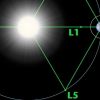
+49Lagrange Points Could Become Battlegrounds in a New Space Race
A new 'space race' is heating up between the US and China in space exploration, and Lagrange points are emerging as a battleground.
-
39.
 +28
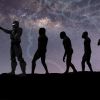
+28Human culture is changing too fast for evolution to catch up – here’s how it may affect you
Human culture has changed too fast for evolution to keep up. A theory that can help explain why we respond poorly to modern conditions, despite the choices, safety and other benefits they bring, is evolutionary mismatch.
-
40.
 +30
+30Diabetes Truth and American Diabetes Society update!