



















Science & Space: 7 of 10
-
121.
 +45
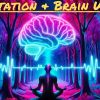
+45The Brain Waves of Meditation: What Do They Mean?
-
122.
 +41
+41NYC Will Soon Be Home to 15 Robot-Run Vegetarian Restaurants From Chipotle’s Founder
"We’ve taken a lot of human interaction out of the process and left just enough."
-
123.
 +26
+26Can you actually avoid “forever chemicals” in your diet?
Today, more than 97% of the national population has PFAS in their bodies, according to the CDC
-
124.
 +29
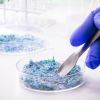
+29Micro- and nanoplastics in the body are passed on during cell division
Scientists investigated effects of tiny plastic particles on cancer cells in the human gastrointestinal tract, finding they are passed on to newly formed cells during cell division, and could promote the metastasis of tumours.
-
125.
 +49
+49Amazing Discovery Claims Elephants Have Specific 'Names' For Each Other
As elephants wander the African savannah, they might keep in touch with relatives by calling out their individual 'names'.
-
126.
 +42
+42Human Beings Are Not Puppets, And We Should Probably Stop Acting Like They Are
A few years ago, we wrote about Joe Bernstein’s absolutely fantastic long read on how we’re probably all looking at the concept of disinformation wrong. As our title said, “most information on disi…
-
127.
 +43
+43The Ray-Ban Meta smart glasses actually make the future look cool
Still a novelty, but one that people might actually use.
-
128.
 +46
+46Archax is a $2.7 million pilotable robot for the ultra-wealthy
Japanese startup Tsubame has 5 units up for preorder.
-
129.
 +33
+33Writing things down may help you remember information more than typing
Writing words down increases connectivity linked to memory and learning between different areas of the brain, with the same not being true when things are typed out on a computer
-
130.
 +43
+43As baby boomers retire, German businesses turn to robots
Companies are turning to automation as the gradual exit of the post-war generation tightens the labor squeeze.
-
131.
 +53
+53Pink Floyd Song Reconstructed From People's Brain Activity
Neuroscientists were able to recreate “Another Brick in the Wall, Part 1″ using AI to decipher the brain’s electrical activity
-
132.
 +28
+28The Uncomfortable Truth Of What Really Happened With COVID | Dr. Paul Offit
-
133.
 +24
+24Oil and Gas Companies Are Trying to Rig the Marketplace
Fossil fuel interests are spreading misinformation that renewable energy is harmful, unreliable and worse for consumers.
-
134.
 +34
+34New material found by AI could reduce lithium use in batteries
Microsoft said AI and supercomputing were used to synthesise an entirely new material.
-
135.
 +45
+45Neuralink competitor Precision Neuroscience buys factory to build its brain implants
Precision Neuroscience acquired a manufacturing facility that can produce the key component of its brain implant.
-
136.
 +26
+26Autoimmune Diseases Are Sexist. Here’s Why.
-
137.
 +42
+42Five takeaways on urbanicity and depression research
Colin Xu and Robert DeRubeis discuss a recently published meta-analysis of the effects of urbanicity on depression in developing and developed countries.
-
138.
 +43
+43Physicists Say Magnets Offer Room Temperature Quantum Computing
The breakthrough material, a blend of aminoferrocene and graphene, has magnetic properties 100 times stronger than pure iron, eliminating the reliance on rare Earth materials for magnet construction.
-
139.
 +40
+40Magicians less prone to mental disorders than other artists, finds research
Aberystwyth University study first to show a creative group with lower scores on psychotic traits than general population
-
140.
 +33
+33A ‘Shocking’ Amount of the Web Is Already AI-Translated Trash, Scientists Determine
Researchers warn that most of the text we view online has been poorly translated into one or more languages—usually by a machine.