



















-
 +15 +3
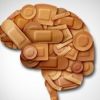
Repeated concussions can thicken the skull, Monash University study finds
New research has found that repeated concussions can thicken the structure of skull bones. Previous studies have shown damage to the brain following concussion, but have not looked at the brain’s protective covering.
-
 +14 +3
Inside the Brain of a Psychopath
-
 +4 +1
+4 +1The Science of Thinking
-
 +13 +2
Brain imaging study suggests that interactions with other cultures can reverse racial ingroup biases in empathy
A brain imaging study published in the journal Neuropsychologia has found evidence that experiences with other cultures might reverse racial ingroup biases in empathy. The findings revealed that White students who had spent extended time in China showed stronger neural responses to pain expressions on Asian faces compared to White faces.
-
 +14 +3
Counting from left to right feels ‘natural’ – but new research shows our brains count faster from bottom to top
Horizontal number lines are often the default option – but our brains may process numbers more quickly in a vertical arrangement.
-
 +4 +1
+4 +1How can sleeplessness overheat your mental circuits?
We all know how important sleep is for our mental health. We have heard people saying that sleeplessness can cause severe damage to your mental health. But have we wondered how insomnia could affect the circuits of our minds? Researchers with a recent study explained how our brain would be replete with bundles of hyperreactive cells if we deprive ourselves of sleep. In other words, our noggins overheat when we don't take appropriate rest and sleep.
-
 +12 +2
Scientists Finally Provide Relief For Depression By Locating Exact Target for Deep Brain Stimulation
Although it was a small study on 10 patients, researchers at the University of Texas Health–Houston were able to achieve something long out of reach, locating the G-spot where brain stimulators can make a real difference for depression patients.
-
 +17 +4
This Artificial Neuron Uses Dopamine to Communicate With Brain Cells
The translucent chip attached to the mouse’s leg looked nothing like a neuron. Dotted with a series of sensors and channels and smaller than a human finger, it looked—and flexed—like a Band-Aid. Yet when doused with dopamine, the chip worked its magic. The mouse’s leg began to twitch and stretch. Depending on the dose of dopamine, the chip controlled the limb like a marionette.
-
 +14 +2
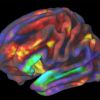
Neuroimaging study finds people who exercise more display an elevated brain response to reward
New research published in the journal Biological Psychology revealed that people who exercise more show increased brain activity when receiving an unexpected reward, specifically in the right medial orbitofrontal cortex. These findings may suggest that regular exercise alters the reward-circuit function, potentially reinforcing exercise behavior.
-
 +20 +2
Self-Taught AI Shows Similarities to How the Brain Works
Self-supervised learning allows a neural network to figure out for itself what matters. The process might be what makes our own brains so successful.
-
 +19 +3
Memory problems after covid-19 more common in people with smell loss
Regardless of disease severity, people who have lingering smell loss after covid-19 are more likely to have cognitive problems than those who regain or never lose their sense of smell
-
 +16 +7
Our brain is a prediction machine that is always active | Max Planck Institute
This is in line with a recent theory on how our brain works: it is a prediction machine, which continuously compares sensory information that we pick up (such as images, sounds and language) with internal predictions.
-
 +12 +4
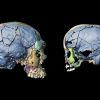
Shape of human brain has barely changed in past 160,000 years
An analysis of fossils suggests changes in the shape of the braincase during human evolution were linked to alterations in the face, rather than changes in the brain itself
-
 +21 +3
Listening to happy or sad music before bed appears to be beneficial to sleep quality
Do you ever listen to music before bed? That might be helping to keep you well rested.
-
 +17 +3
Video Gamers Are Better Decision-Makers
College coeds who play action video games make faster, better decisions than non-gamers, a study shows.
-
 +20 +3
Eating More Ultra-processed Foods Associated with Increased Risk of Dementia
People who eat the highest amounts of ultra-processed foods like soft drinks, chips and cookies may have a higher risk of developing dementia than those who eat the lowest amounts, according to a new study published in the July 27, 2022, online issue of Neurology®,
-
 +7 +2
+7 +2Unpicking the link between smell and memories
The ability of aromas to bring back highly specific memories is becoming better understood, and could be used to boost and heal our brains.
-
 +14 +1
Our DNA Could Affect the Potency of Psychedelics in the Brain
A new study has identified that variation in genes coding for key receptors in our brains may alter the potency of psychedelic drugs. The research suggests that our genetics should be a factor in future clinical trials of these drugs’ therapeutic potential.
-
 +15 +2
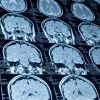
Scientists Reveal Which Brain Regions Regulate Movement
Movement is much more complicated than you might think. Any one activity, whether it's opening your mouth to speak or running a marathon, involves complicated interactions in our brains. This complexity means that there’s still much about movement that scientists struggle to understand.
-
 +13 +2
Researchers discover brain pathway that helps to explain light’s effect on mood
Improved understanding of a neural pathway connecting light-sensitive cells in the retina with the cortical brain regions involved in mood and cognition has implications for the development of treatments for mood disorders.
Submit a link
Start a discussion