




















-
 +14 +2
Exposure to environmental toxins may be root of rise in neurological disorders
Doctors warn exposure to omnipresent yet poorly understood chemicals such as microplastics could play a role in dementia
-
 +19 +3
Why Some People Conjure Terrifying ‘Sleep Paralysis Demons,’ According to a Neuroscientist
Neuroscientist Ben Rein explains the strange phenomenon of hallucinating while on the edge of consciousness.
-
 +9 +3
+9 +3New window into brain’s computational function
The function of the human brain is exceptional, driving all aspects of our thoughts and creativity. Yet the part of the human brain – the neocortex – responsible for such cognitive functions has a similar overall structure to other mammals.
-
 +17 +4
This Is Your Brain On Drug Ads
Apologies to listeners who received two episodes in their feed today. The U.S. is one of two countries in the world that allows pharmaceutical companies to advertise prescription drugs directly to consumers. Why? And what does that do to us Subscribe to our weekly newsletter here.
-
 +16 +3
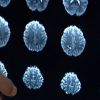
Human brain cells transplanted onto rat brain can influence its behavior, Stanford study suggests
Researchers were able to confirm that sensations from the rat's whiskers were being processed by the human brain cells. They also engineered cells that were sensitive to a colored light, then taught the rat to associate the light with a reward.
-
 +17 +9
Stress eating? Here’s how to train your brain to crave healthy foods.
Stress and anxiety can promote belly fat and cravings, making you eat more. But you can train your brain to crave healthier foods during stressful times.
-
 +13 +2
Playing Video Games Associated With Accurate Decision Making And Heightened Brain Activity
Game training could one day be used as a tool for developing cognitive function.
-
 +16 +3
Research shows water fluoridation is safe for children
Research from The University of Queensland has found no link between community water fluoridation and adverse effects to children’s brain development.
-
 +22 +6
Neuroscientists unravel the mystery of why you can’t tickle yourself
New study shows how tickling, playfulness can address key questions about the brain.
-
 +17 +4
A $500 Million International Project Will Create the Most Detailed Map of the Brain Ever
The Allen Institute in Seattle will lead the project, but it involves collaboration across 17 other institutions in the US, Europe, and Japan.
-
 +3 +1
+3 +1How To Fall Asleep Quickly and Get a Good Night's Sleep? What You Need to Know to Overcome Insomnia: Ways and Techniques from A Sleep Therapist
Sleep and wake patterns determine the quality of life; the more attentive a person is to them, the better they feel. Unfortunately, it is not so easy to comply with it. According to sleephealth.org, in 2022, 70 percent of Americans complained of problems falling asleep. The situation is similar in other countries: surveys show that going to bed causes difficulties for every third adult.
-
 +12 +4
The Curious Case of Alice in Wonderland Syndrome
Some 40 years after “Alice’s Adventures in Wonderland” was first published in 1866, accounts of hallucinations similar to those described by Lewis Carroll began to appear in the medical literature. In 1904, William Spratling, one of the first American epileptologists, published case studies of several patients for whom “everything looked bigger” just before their seizures; three years later, in 1907, the great British neurologist William Gowers also reported epilepsy patients who perceived objects to look “twice their size” during the...
-
 +17 +3
Success of experimental Alzheimer’s drug hailed as ‘historic moment’
Study shows cognition in early-stage patients on lecanemab declines by 27% less than those on placebo
-
 +19 +5
New research suggests psychedelic drugs can be almost as life altering as near-death experiences
Occasionally, people who suffer intense turmoil and trauma undergo a profound change. They feel a new sense of wellbeing, purpose and appreciation of life. Their relationships become more authentic and intimate. They feel as if they’ve woken up and are living in a more intense way.
-
 +15 +4
People who suffer sleep deprivation become less generous, according to new research
What determines how generous a person you are? Could it be how much money you have? How kind you are? Or maybe it comes down to your values. These all seem reasonable assumptions, but a new study from Berkeley University suggests something that feels as trivial as how well you’ve slept lately can also affect how willing you are to help other people on any given day. It found sleep deprivation leads to a reduction in generosity.
-
 +3 +1
+3 +1Neuromarketing: How Brands are Manipulating Your Brain
More and more companies are turning to neuromarketing. This controversial practice involves studying consumers’ brains, analyzing how and why we respond to certain stimuli, in order to influence our decisions. It’s based on the idea that 90% of the decisions we make are taken at a subconscious level. If a brand can speak directly to our ‘gut instinct’, bypassing reason, they will sell more products.
-
 +7 +1
+7 +1Why it is awesome that your brain can experience awe
By transforming our sense of self and meaning, and enhancing our relationship with others and the wider world, awe can improve our mental and physical health.
-
 +19 +2
The big idea: should we drop the distinction between mental and physical health?
A few months ago, I was infected by coronavirus and my first symptoms were bodily. But as the sore throat and cough receded, I was left feeling gloomy, lethargic and brain-foggy for about a week. An infection of my body had morphed into a short-lived experience of depressive and cognitive symptoms – there was no clear-cut distinction between my physical and mental health.
-
 +14 +3
People who play video games tend to have superior sensorimotor decision-making skills, study finds
Video games can get a bad rep as being a time waste, but can they actually have positive effects on brain functioning?
-
 +13 +1
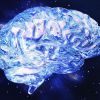
What happens to the brain on prescription steroids?
According to a new study, long-term use of prescription steroids lowers the volume of white matter in the brain, potentially impacting memory recall and other functions.
Submit a link
Start a discussion