




















-
 +21 +1
Lotus inspires stent designers
The self-cleaning abilities of a popular plant provides clues to cutting deaths linked to stent surgery. The number of cyborgs in our midst is growing rapidly. From heart to hip, many of us will end up with a medical implant at some time in our lives. In Australia, stent implants to unblock coronary arteries are one of the top five procedures in hospital emergency rooms, but once inserted into the body, the surface of implants can cause life-threatening blood clots or bacterial infections.
-
 +23 +2
For healthier arteries, do as Amazon rainforest inhabitants do
The Tsimane living in the Amazon have the lowest reported levels of age-related hardening of the arteries in the world, say researchers who encourage Westerners to learn from these Bolivian rainforest inhabitants. Atherosclerosis was thought to be a natural part of aging. Even Egyptian mummies have shown signs of plaque buildup in the arteries. For the study in Friday's medical journal The Lancet, cardiologists focused their low-radiation CT scanners on the Tsimane, a forager-horticulturalist population that eats mainly wild, lean game, plantain, rice and maize, and fruits and nuts.
-
 +27 +1
Zebrafish extract heals a broken heart
Molecules surrounding zebrafish heart cells may yield promising new candidates for cardiac arrest treatment.
-
 +31 +1
Substance in crude oil harms fish hearts, could affect humans as well.
Experiments provide direct evidence of how phenanthrene causes irregular heartbeat and weaker contractions of heart cells.Urban air pollution, laden with PAHs, has been implicated in cardiac distress. The current study points the finger at phenanthrene, which could enter the bloodstream through respiratory pathways such as breathing.The researchers also suggest that atmospheric phenanthrene deserves more attention for the possible impact it could have on the cardiovascular health of people. Better understanding of the connection between phenanthrene and human health could potentially lead to insights regarding which aspects of fossil-fuel bur
-
 +21 +1
Hair provides proof of the link between chronic stress and heart attack
Researchers at the University of Western Ontario have provided the first direct evidence using a biological marker, to show chronic stress plays an important role in heart attacks.
-
 +5 +1
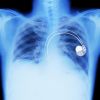
+5 +1Can implantable pacemakers and defibrillators be hacked?
Publicity around the cyber vulnerability of St. Jude's implanted cardiac devices has raised awareness of and actions against hacking medical devices. Are implanted cardiac devices at risk for cyber attacks? Yes, because any digital device that includes wireless communication is at least theoretically vulnerable, including pacemakers, ICDs and CRT devices. But so far, an actual cyber attack against any of these implanted devices has never been documented. And (thanks in large part to recent publicity about hacking, both of medical devices and of politicians), the FDA and the device manufacturers are now working hard to patch any such vulnerabi
-
 +27 +2
How Heartbreak Can Hurt Your Actual Heart
A growing body of research is showing that the death or loss of a person close to you can not only feel like heartbreak—it can actually cause physical changes that can lead to serious heart problems. A new study finds that people whose partner dies are at a significantly higher risk for atrial fibrillation, or irregular heart beat, and that the effects are lasting.
-
 +7 +1
+7 +1History of angioplasty timeline
Did you know the history of angioplasty and interventional cardiology dates back to 3000 B.C.?
-
 +6 +1
+6 +1The man and word behind the coronary metal prosthesis.
Interventional cardiologists implant stents every day. Stents are also used in numerous other medical disciplines such as plastic surgery, gastroenterology, urology, and oral and maxillofacial surgery.1–5 Uses range from rebuilding mandibles and other oral surgical procedures, constructing new ureters, keeping skin flaps, and as biliary conduits.6–11 What is the source of this word stent everyone is using in daily practice? This article describes the origin of the word, how it became so popular, its use in medicine outside the cardiovascular system, and the people who used this term first.
-
 +9 +1
+9 +1Bang! bang!
-
 +39 +1
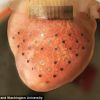
Membrane that can keep heart pumping forever, prevent heart attacks.
Scientists have created an external membrane using a 3-D printer than can keep a heart beating virtually forever and possibly prevent heart attacks within the next two decades. (2014)
-
 +9 +1
+9 +1'Stress Ball' in your brain may be key to heart risks.
Doctors have long known that a stressed life does no favors for the heart, and new research may help unravel why that's so. A Harvard team says heightened activity in a key part of the brain may explain why stress boosts people's odds for heart disease and stroke. What matters is how we react to stress, if we manage stress well with strategies, we might be able to change how this 'stress ball' in our brain responds, and actually decrease our chances of having a heart attack."
-
 +27 +1
High pain tolerance tied to 'silent' heart attack risk.
People who are less sensitive to pain may be at increased risk of having a silent heart attack, a new study hints.
-
 +7 +1
+7 +1The Yentl syndrome.
The phenomenon that women are treated less optimal in the management of coronary heart disease than men.
-
 +9 +1
+9 +1Persistent angina pectoris.
A very comprehensive article on the risks of Prinzmetal's based on 12 year study.
-
 +11 +1
Why having a chronic condition makes you rethink your daily routine.
My cardiovascular condition is part of a wider problem, a rare genetic connective tissue disorder called Ehlers-Danlos syndrome (EDS). I have type 3. This means I don’t just have the heart problems, but also autonomic dysfunction, widespread pain, chronic fatigue, osteoarthritis in all my joints, spontaneous joint subluxing and dislocation, secondary Reynaud’s phenomenon, vascular spasm in my brain resulting in parkinsonisms, migraines and this list could go on forever so I am going to stop there.
-
 +10 +1
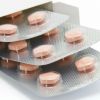
Statins often interact with other heart drugs.
Cholesterol-lowering statins can interact with other drugs prescribed for heart disease. A whole range of heart medications can interact with statins, according to the heart association.
-
 +3 +1
+3 +1Angina
Read about angina pectoris pain, treatment, symptoms, angina attacks, medication, types, causes, and more. Read about the different types of angina (printzmetal, stable, unstable, variant, acute, vasospastic, microvascular).
-
 +22 +2
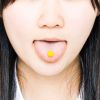
Calcium supplements may damage the heart
Calcium supplements may increase the risk of heart damage and plaque buildup in arteries, even though a diet high in calcium-rich food appears to help protect the heart, a study concludes. The analysis is based on 10 years of study of more than 2,700 people. The researchers caution that their work, published in the Journal of the American Heart Association, documents an association between calcium supplements and atherosclerosis. It does not prove cause and effect.
-
 +59 +2
Sugar Industry Downplayed Heart Risks of Sugar, Promoted Risks of Fat
In the 1960’s, before conflict of interest disclosure was required, the sugar industry sponsored research promoting dietary fat as an important cause of coronary heart disease, and downplaying the role of sugar, according to a special report online September 12 in JAMA Internal Medicine.
Submit a link
Start a discussion