



















-
 +17 +1
Anti-inflammatory cuts risk of heart attack.
A clinical trial of more than 10,000 heart attack patients reported today supports a novel way to protect them from a stroke or a second attack: with drugs that stop inflammation. The approach has been advanced by some scientists for years, but this is the first trial to conclusively show that it works. Cardiologists hailed it as vindication for the heart attack–inflammation link, which hadn’t been proved in people.
-
 +31 +1
Standing at work linked to heart disease
If you tend to do a lot of standing at work, you may want to be sitting down to read this. A study published in the American Journal of Epidemiology found that workers who primarily stand on the job are twice as likely to have heart disease than workers who mainly sit. That puts them more at risk of getting heart disease than smokers, said Peter Smith, a scientist from the Institute for Work and Health (IWH) and lead author of the study.
-
 +33 +1
'Fat but fit' are at increased risk of heart disease
Carrying extra weight could raise your risk of heart attack by more than a quarter, even if you are otherwise healthy. Researchers have found that being overweight or obese increases a person’s risk of coronary heart disease (CHD) by up to 28 per cent compared to those with a healthy bodyweight, even if they have healthy blood pressure, blood sugar and cholesterol levels.
-
 +10 +1
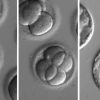
Human embryos edited to stop disease
Scientists have, for the first time, successfully freed embryos of a piece of faulty DNA that causes deadly heart disease to run in families. It potentially opens the door to preventing 10,000 disorders that are passed down the generations. The US and South Korean team allowed the embryos to develop for five days before stopping the experiment.
-
 +13 +1
Acute angina
-
 +27 +1
Behold, the First Totally Soft Artificial Heart
This 3D printed silicone heart could be custom designed for individual patients. By Daniel Oberhaus.
-
 +25 +2
The cholesterol and calorie hypotheses are both dead — it is time to focus on the real culprit: insulin resistance
Emerging evidence shows that insulin resistance is the most important predictor of cardiovascular and type 2 diabetes.
-
 +30 +1
Is the American Heart Association a terrorist organization?
The AHA receives very substantial donations from various pharmaceutical companies who also, conveniently, produce cholesterol lowering medications. Conagra, Quaker Oats, Monsanto and Campbell Soups are all listed among the AHA’s lifetime donors of $1,000,000.00 or more in the AHA’s 2012-2013 annual report.
-
 +15 +1
Popular class of drugs reverse potentially harmful genetic changes from heart disease
Beta blockers are commonly used world-wide to treat a variety of cardiovascular conditions, such as arrhythmias and heart failure. Scientists have known for decades that the medications work by slowing the heart rate and reducing the force of contraction - lessening the burden of work carried out by the heart. However, new research out of York University has now shown that these drugs also reverse a number of potentially detrimental genetic changes associated with heart disease.
-
 +34 +1
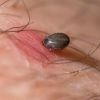
Tick saliva 'gold mine' blocks killer heart condition
Oxford scientists are excited by the prospect of making a drug from a bug.
-
 +21 +1
Noisy cities disrupt heartbeat and could trigger disease, study suggests
The cacophony of noise town centres could trigger heart problems, a new study suggests, after scientists found that fluctuating sounds on busy high streets disturb normal cardiac rhythms. Researchers from Nottingham Trent University found that constant changes in noise – even at low levels – had an immediate and disruptive effect on the patterns of participants’ normal heart rates.
-
 +17 +1
The Importance of Measuring Resting Heart Rate
Resting Heart Rate can be a strong indicator of overall health and fitness—here are the essentials on why you measure it and how to lower it.
-
 +17 +2
Choline Plays a Role in Cardiovascular and Brain Health in Older Adults
Different concentrations of choline and related compounds in the blood affect the risk of cardiovascular disease and small- and large-vessel disease in the brain.
-
 +28 +1
Drones in Sweden carry defibrillators to save cardiac arrest victims.
They reduced response times by over 75% during trials.
-
 +37 +1
Chocolate is not a super food
Listen: we all want to believe that we make good choices. It doesn't matter if I douse my lettuce in fatty salad dressing, it's still good for me. Yes, there is an awful lot of sugary granola in my yogurt but hey, it's Greek yogurt. And maybe I do eat a lot of chocolate, but so what? It's good for my heart!
-
 +13 +1
Rare gene mutations inspire new heart drugs.
A rare group of people whose genetics make them virtually impervious to heart disease is guiding researchers to new drugs that may help the rest of us.
-
 +15 +1
Global penicillin shortages are bringing back old diseases, and creating new, deadlier ones
Penicillin once ushered in modern medicine. Now, shortages of the drug are creating new, antibiotic-resistant bacteria. By Keila Guimaraes.
-
 +34 +1
Go Ahead, Hackers. Break My Heart
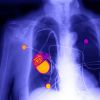
MY LIFE DEPENDS on the functioning of a medical device: a pacemaker that generates each and every beat of my heart. I know how it feels to have my body controlled by a machine that is not working correctly, and this is why I encourage fellow security researchers to delve into these medical devices and find ways to make them more secure. Four years ago, I woke up lying on the floor, but I had no idea how I’d gotten there or for how long I’d been out.
-
 +36 +1
Good news: Cheese doesn't raise your risk of heart disease.
The common belief that cheese and dairy are bad for your heart is simply wrong, a new review of 29 previous studies found. The Mediterranean diet for instance features a lot of cheese with great results.
-
 +12 +2
Yes, statins protect hearts. But critics question their expanding use
Even after decades of study, questions remain about statin safety.
Submit a link
Start a discussion