





















-
 +18 +1
Beekeepers try to keep bees — and livelihoods — from going extinct
Amid a die-off, some beekeepers go to extraordinary, creative lengths to keep their bees thriving. By Leah Sottile.
-
 +3 +1
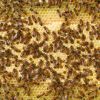
+3 +1Call off the bee-pocalypse: U.S. honeybee colonies hit a 20-year high
You've heard the news about honeybees. "Beepocalypse," they've called it. Beemageddon. America's honeybees are dying, putting honey production and $15 billion worth of pollinated food crops in jeopardy. The situation has become so dire that earlier this year the White House put forth the first National Strategy to Promote the Health of Honey Bees and Other Pollinators, a 64-page policy framework for saving the nation's bees, butterflies and other pollinating animals.
-
 +19 +1
Carpenter Bees
About carpenter bees, their life cycle and nesting habits.
-
 +29 +1
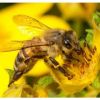
Bees Naturally Vaccinate Their Babies, Scientists Find
Humans like to brag about their brilliant advent of vaccinations to prevent diseases, but bees just roll their eyes and shrug. After all, they’ve been doing it naturally for much longer.
-
 +12 +2
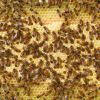
Call off the bee-pocalypse: U.S. honeybee colonies hit a 20-year high
How the free market saved us from beemageddon.
-
 +17 +1
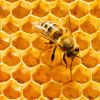
How Bees Teach Us the Most Scientifically Efficient Way to Pack Things
Excerpted from Single Digits: In Praise of Small Numbers by Marc Chamberland. Out now from Princeton University Press. What do grocers and honeybees have in common? The obvious answer is that they are both adept at providing food for others. But there is a richer, more technical answer to this question: These two groups know how to efficiently pack their resources.
-
 +18 +1
Tiny transmitters glued to the backs of bees for the first time
James Cook University researchers in Australia are creating a buzz in bee research, gluing tiny transmitters to the backs of the insects for the first time.
-
 +15 +2
The Death Of Bees Explained – Parasites, Poison and Humans
In 2015 the bees are still dying in masses. Which at first seems not very important until you realize that one third of all food humans consume would disappear with them. Millions could starve. The foes bees face are truly horrifying – some are a direct consequence of human greed. We need to help our small buzzing friends or we will face extremely unpleasant consequences.
-
 +9 +1
+9 +1Bumblebees endangered by inability to adapt to climate change
The populations of bumblebees in North America and Europe are collapsing due to their inability to adapt to climate change, which indicates that some animal life will be unable to change their habitats in order to survive, according to a study published in Science magazine.
-
 +18 +1
Bumblebee habitats are shrinking at an alarming rate, and scientists are blaming climate change
Bumblebees have lost over 180 miles of their southern range in Europe and the U.S. over the past 110 years.
-
 +18 +1
Fredericton Bee Swarm
A block of downtown Fredericton,New Brunswick was all abuzz on Thursday afternoon after a large swarm of bees took over the branches of a small tree in front of the Crowne Plaza Hotel
-
 +12 +1
Ontario first in North America to curb bee-killing neonicotinoid pesticides
Ontario is moving to take the sting out of pesticides that are killing bees. On July 1, the province will become the first jurisdiction in North America to begin reducing the number of acres planted with neonicotinoid-coated corn and soybean seeds. Agriculture Minister Jeff Leal said by 2017, the new rules should curb the acreage planted with such seeds by 80 per cent.
-
 +8 +1
+8 +1Parasites Are Wiping Out Entire Honeybee Colonies. Threat Magnitude Much Higher Than Previously Expected
Bees around the world are at risk from a number of threats including habitat loss and the effect of pesticides, plus bacterial disease like American foulbrood. Bee colonies are also at risk from mites (especially Varroa mite parasite) and parasites. Although parasites have long been associated with “colony collapse disorder”, where entire hives are wiped out, it is only recently that the magnitude of the threat has been fully realised.
-
 +20 +1
42% of honeybee hives killed off in U.S. last year
More than two out of five American honeybee colonies died in the past year, and surprisingly the worst die-off was in the summer, according to a U.S. federal survey. Since April 2014, beekeepers lost 42.1 per cent of their colonies, the second-highest rate in nine years, according to an annual survey conducted by a bee partnership that includes the U.S. Department of Agriculture.
-
 +19 +1
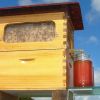
Honey on Tap directly from your Beehive
It's the beekeepers dream, turn a tap right on your beehive and watch pure fresh honey flow right out of your FLOWhive and into your Jar! No mess no fuss and the bees are hardly disturbed.
Submit a link
Start a discussion