





















-
 +21 +1
Do Honeybees Feel? Scientists Are Entertaining the Idea
An Australian scientist and a philosopher propose that the structure of insect brains suggests they have the capacity for basic awareness. By James Gorman.
-
 +26 +1
The Solitary Bees
Team Candiru
-
 +6 +1
+6 +1Optibee, and Other Buzzworthy Apps For Monitoring Your Beehive
After a century of just droning along, beekeeping is going high-tech. By Cara Giaimo.
-
 +37 +1
Decline of Pollinators Poses Threat to World Food Supply, Report Says
Many pollinator species are facing extinction, including some 16 percent of vertebrates like birds and bats, according to the document. By John Schwartz.
-
 +4 +1
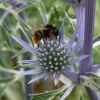
+4 +1Flowers tone down the iridescence of their petals and avoid confusing bees
Latest research shows that flowers’ iridescent petals, which may look plain to human eyes, are perfectly tailored to a bee’s-eye-view.
-
 +28 +1
The Hadza, the Honeyguide Bird and the Persistent Problem of 'Naturefaking'
In the tree-strewn savannah of northern Tanzania, near the salty shores of Lake Eyasi, live some of the planet’s few remaining hunter-gatherers. Known as the Hadza, they live in Hadzaland, which stretches for about 4,000 square kilometers around the lake. No one is sure how long they’ve been there, but it could be since humans became human... By Cara Giaimo.
-
 +27 +1
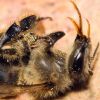
The EPA finally admitted that the world’s most popular pesticide kills bees—20 years too late
The agency says it may place new restrictions on the chemical by year’s end. By Tom Philpott.
-
 +40 +1
Bees, Nature's 3D Printers
You will think differently about bees when you see what they can do if given the proper mold to work with!
-
 +22 +1
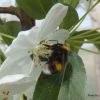
New research reignites concerns that pesticides are harming bees
Bee colonies exposed to the pesticide seemed less active in pollinating apple trees. By Chelsea Harvey.
-
 +33 +1
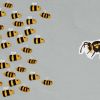
How a swarm of honeybees cook a giant hornet alive
The little Japanese honeybee and the Japanese giant hornet are the David and Goliath of nature.
-
 +29 +1
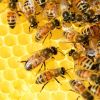
Nature: Honey bees have been widely used in agriculture for nearly 9,000 years
Today in Nature, an international research team has provided new evidence for the early exploitation of honey bees by ancient neolithic farmers. Using lipid residues from more than 6,400 pottery vessels the research team has traced the adoption and exploitation of honey bees in agriculture throughout the neolithic world over a period of thousands of years.
-
 +25 +1
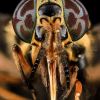
Close-Up Photos of Insect Eyes from the USGS Bee Inventory and Monitoring Lab
An incredible gallery of macro photographs that show insect eyes in extraordinary detail and clarity.
-
 +29 +1
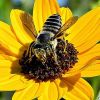
Bees get addicted to caffeine, do a little dance
-
 +27 +1
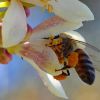
Plants spike nectar with caffeine and give bees a buzz
The coffee shop may promise productivity and snacks, but only one thing gets you in the door: caffeine. It turns out that honeybees fall for the same trick – and when they do, they probably make less honey. We knew from a previous study that caffeine boosts bee memory, helping them quickly learn the scent linked to the caffeinated food. For providing that jolt, the plant may be rewarded when eager bees keep returning and end up spreading more pollen.
-
 +21 +1
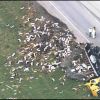
Truck Hauling Bees Rolls Over on Oklahoma Highway
Photos from the scene show what is estimated to be millions of bees swarming and encasing emergency vehicles that responded to the scene
-
 +24 +2
What Is Killing America’s Bees and What Does It Mean for Us?
Pollinators are vanishing, and a silent spring could become a horrifying reality. So why won’t the EPA do more? By Alex Morris.
-
 +20 +1
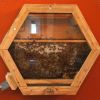
Modular BEEcosystem observation hive brings honeybees inside your home
In a bid to get more people reconnected with the nature of their food, Living Interiors' new modular observation beehive helps to highlight the critical importance of pollinators to our food system. As a backyard farmer, I've been really jazzed to see so many new solutions crop up in the homegrown food sector, especially those that focus on some of the unsung heroes of the food chain, the pollinators.
-
 +16 +1
Air Bee'n'Bee: have backpack, will travel
We attached tiny sensor backpacks to honey bees to track their movements and monitor population levels. Pretty amazing, right? The results are enough to make Ashley Madison blush.
-
 +15 +1
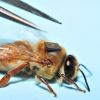
Intel and CSIRO create RFID bee backpacks
Intel is equipping Australian honey bees with RFID 'black box' chips to track the movements of the insects to discover why their populations are declining.
-
 +26 +1
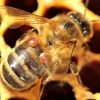
Some honeybee colonies adapt in wake of deadly mites
A new genetics study of wild honeybees offers clues to how a population has adapted to a mite that has devastated bee colonies worldwide. The findings may aid beekeepers and bee breeders to prevent future honeybee declines. By Krishna Ramanujan.
Submit a link
Start a discussion