





















-
 +14 +1
Amazon's plastic packaging waste could encircle the globe 500 times
The plastic packaging of the products we buy online is actually hiding a major environmental problem, a new report showed. Amazon, considered the world’s largest retailer, was responsible for 211,000 metric tons (465 million pounds) of plastic packaging waste last year, 10,000 tons (22 million pounds) of which ended up in the world’s freshwater and marine ecosystems.
-
 +22 +1
Microplastics may be linked to inflammatory bowel disease, study finds
People with inflammatory bowel disease have 50% more microplastics in their faeces, a study has revealed. Previous research has shown that microplastics can cause intestinal inflammation and other gut problems in laboratory animals, but the research is the first to investigate potential effects on humans. The scientists found 42 microplastic pieces per gram in dried samples from people with IBD and 28 pieces in those from healthy people.
-
 +20 +1
Microbes across the land and ocean are evolving to degrade plastic
Five years ago, scientists digging through soil and sludge around a plastics recycling center in Japan discovered a bacterium that was feeding on the popular packaging material PET as an energy source, with help from a pair of purposely evolved enzymes. A fascinating discovery at the time, a new study has shown this to be part of a much wider trend in which such plastic-degrading enzymes are increasing in numbers and diversity in response to plastic pollution around the world.
-
 +21 +1
Microplastics Can Kill Human Cells at Concentrations Found in the Environment, Scientists Say
One of the major concerns surrounding plastic pollution is that microplastics may work their way from the ocean or soil, into tiny organisms, up the food chain and onto our plates. However, scientists are still unsure what ingesting microplastics actually does to human health.
-
 +15 +1
Can Bacteria Solve Our Plastic Pollution Problem?
About 360 Million years ago, a toxic material that could not easily be broken down arose on planet Earth. The stuff would persist for thousands of years, amassing on land (and especially in forests) in daunting piles. These mounds stuck around for millions of years, so long that a heap of them fossilized. Today, humans dig up these deposits to burn as fossil fuel.
-
 +15 +1
‘Deluge of plastic waste’: US is world’s biggest plastic polluter
The US is the world’s biggest culprit in generating plastic waste and the country urgently needs a new strategy to curb the vast amount of plastic that ends up in the oceans, a new report submitted to the federal government has found.
-
 +18 +1
Ikea says it will eliminate plastic packaging by 2028
As part of the company’s goal to become fully circular, it needs to work to eliminate the 10% of its packaging that still uses plastic.
-
 +12 +1
Over 90 Percent in Europe’s Cities Breathe Dangerous Air
Countries have downplayed hazards of air pollution despite evidence that it leads to 430,000 shortened lives a year.
-
 +15 +1
Britain seeks ban of single use plastic plates and cutlery in England
Single-use plastic plates and cutlery and polystyrene.
-
 +24 +1
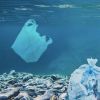
Plastic Pollution Overruns the Mediterranean
Pascal Hagmann lowered a manta trawl — a ray-shaped, metal device with a wide mouth and a fine-meshed net — off the side of his sailboat and into the blue waters off the coast of Marseille, France. Then he motored around at 3 knots. The manta trawl skimmed along the surface, taking in gulps of seawater and catching whatever was floating inside it.
-
 +18 +1
Delhi smog: Schools and colleges shut as pollution worsens
The decision was announced after several parts of the city recorded severe air quality.
-
 +16 +1
Discarded tires in the oceans are trapping hermit crabs, with no way out
Hermit crabs are finding their way into discarded tires in the ocean -- and they can't get out, a new study from Hirosaki University found. The concave interior of a car tire can trap hermit crabs that go there in search of food and shelter. The study refers to this phenomenon -- when marine animals get caught in human litter, such as fishing nets -- as "ghost fishing."
-
 +4 +1
+4 +1Is the air we're breathing reducing sperm counts? Scientists think so
The study by the University of Maryland has drawn the dots between breathing polluted air and impaired fertility in men.
-
 +15 +1
How can Coca-Cola solve its plastic problem?
The drinks company has been named the world's biggest plastic polluter.
-
 +18 +1
How Chemical Companies Avoid Paying for Pollution
DuPont factories pumped dangerous substances into the environment. The company and its offspring have gone to great lengths to dodge responsibility.
-
 +4 +1
+4 +1From inventing ocean-cleaning ships to calling on businesses to change, U.S. teens are tackling climate change
When Haaziq Kazi was in the fourth grade, he was rocked to the core when he found out about the impact of plastic waste on marine life. He decided to do something about it, designing a prototype of a ship that sucks the waste from the ocean.
-
 +18 +1
A half-mile installation just took 20,000 pounds of plastic out of the Pacific — proof that ocean garbage can be cleaned
It's been nearly a decade since Boyan Slat announced at age 18 that he had a plan to rid the world's oceans of plastic. Slat, now 27, is a Dutch inventor and the founder of the Ocean Cleanup, a nonprofit that aims to remove 90% of floating ocean plastic by 2040.
-
 +4 +1
+4 +1‘Eco’ wood stoves emit 750 times more pollution than an HGV, study shows
Only ecodesign stoves can be legally sold from 2022 – but experts say the standard is shockingly weak
-
 +22 +1
The devious fossil fuel propaganda we all use
In a dark TV ad aired in 1971, a jerk tosses a bag of trash from a moving car. The garbage spills onto the moccasins of a buckskin-clad Native American, played by Italian American actor Espera Oscar de Corti. He sheds a tear on camera, because his world has been defiled, uglied, and corrupted by trash.
-
 +13 +1
‘False choice’: is deep-sea mining required for an electric vehicle revolution?
At the Goodwood festival of speed near Chichester, the crowds gathered at the hill-climb circuit to watch the world’s fastest cars roar past, as they do every year. But not far from the high-octane action, there was a new, and quieter, attraction: a display of the latest electric vehicles, from the £28,000 Mini Electric to the £2m Lotus Evija hypercar. Even here, at one of the biggest events in Britain’s petrolhead calendar, it’s clear the days of the internal combustion engine are numbered.
Submit a link
Start a discussion