


















-
 +17 +1
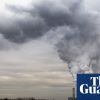
WHO slashes guideline limits on air pollution from fossil fuels
Level for the most damaging tiny particles is halved, reflecting new evidence of deadly harm
-
 +6 +1
+6 +1How India's air pollution is being turned into floor tiles
Smog is a leading cause of ill health around the world, but one Indian inventor is hoping to make it easier to breathe by scrubbing soot from the air and recycling it.
-
 +12 +1
Textile Dyeing Industry is Polluting Rivers in Asian Countries
The textile industry is an eminent part of human civilization; however, the industry has polluted the planet to such an extent that rarely any component of the ecosystem remains untouched. The clothes made, dyed and finished have a toxic history. The trending dyeing industry has been responsible for polluting many of the Asian rivers, pushing some to the brink of death.
-
 +14 +1
Air pollution linked to more severe mental illness – study
Exclusive: research finds small rise in exposure to air pollution leads to higher risk of needing treatment
-
 +13 +1
Pollution likely to cut 9 years of life expectancy of 40% of Indians
Air pollution is likely to reduce the life expectancy of about 40% of Indians by more than nine years, according to a report released by a U.S. research group on Wednesday. More than 480 million people living in the vast swathes of central, eastern and northern India, including the capital, New Delhi, endure significantly high pollution levels, said the report prepared by the Energy Policy Institute at the University of Chicago (EPIC). "Alarmingly, India's high levels of air pollution have expanded geographically over time," the EPIC report said.
-
 +19 +1
Government to ban single-use plastic cutlery
The government has announced plans to ban single-use plastic cutlery, plates and polystyrene cups in England as part of what it calls a "war on plastic". Ministers said the move would help to reduce litter and cut the amount of plastic waste in oceans. A consultation on the policy will launch in the autumn - although the government has not ruled out including other items in the ban.
-
 +16 +1
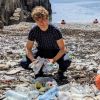
How to fight microplastic pollution with magnets
Huge amounts of plastic ends up rivers and oceans every year, harming the environment and potentially also human health. But what if we could pull it out of water with magnets?
-
 +17 +1
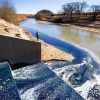
Why are rivers turning blue in Africa?
Fast fashion is ‘killing’ Africa’s rivers by polluting them with chemicals and dyes.
-
 +17 +1
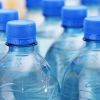
Environmental impact of bottled water ‘up to 3,500 times greater than tap water’
The impact of bottled water on natural resources is 3,500 times higher than for tap water, scientists have found. The research is the first of its kind and examined the impact of bottled water in Barcelona, where it is becoming increasingly popular despite improvements to the quality of tap water in recent years.
-
 +14 +1
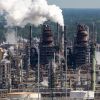
Democrats Seek $500 Billion in Climate Damages From Big Polluting Companies
Under a draft plan Democrats are circulating, the Treasury Department would tax a handful of the biggest emitters of planet-warming pollution to pay for climate change.
-
 +4 +1
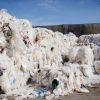
+4 +1U.S. generates more plastic trash than any other nation, report finds
When the Environmental Protection Agency released its plan earlier this month for addressing marine litter, it named five Asian nations—China, Indonesia, the Philippines, Thailand, and Vietnam—as responsible for more than half of the plastic waste flowing into the oceans every year.
-
 +3 +1
+3 +1How long does it take for plastic to degrade: the Lego bricks study
Humans manufacture 300 million tons of plastic every year. 8 million tons are estimated to end up in oceans every year. If it all washed up on the coast at once, it’s enough to cover every coastline on the globe with a significant layer of trash. You can imagine it as a neverending stack of garbage about 50 cm tall, and 50 cm wide (that’s about 1.6 ft).
-
 +4 +1
+4 +1New Zealand to ban most single-use plastics by 2025
New Zealanders will be farewelling their plastics – bags, ear buds, spoons and straws – as the government attempts to match the country’s reality to its “clean green” reputation. Currently one of the top 10 per-capita producers of landfill waste in the world, New Zealand has announced it will ban a swathe of single-use plastics, including cotton buds, bags, cutlery, plates and bowls, straws and fruit labels.
-
 +18 +1
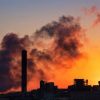
E.P.A. to Review Rules on Soot Linked to Deaths, Which Trump Declined to Tighten
The Biden administration says it will consider tougher limits on a deadly air pollutant that disproportionately affects low-income and minority communities.
-
 +20 +1
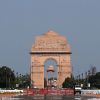
Then and now: Pandemic clears the air
Air pollution has long been one of the most severe forms of environmental damage. Figures from the World Health Organization (WHO) estimate that air pollution kills seven million people worldwide every year. Its data also shows that 9 out of 10 people breathe air that exceeds WHO guideline limits on high levels of pollutants.
-
 +8 +1
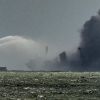
+8 +1Sri Lanka faces 'worst-ever beach pollution' from burning ship
Millions of plastic pellets from a container ship ablaze off Colombo have already washed up on beaches, along with other hazardous waste. The disaster threatens the lucrative fishing and tourism sectors.
-
 +14 +1
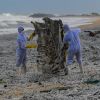
Plastic Waste from Burning Ship Buries Sri Lanka's Coastline
Tonnes of plastic waste from a burning container ship is washing ashore in Sri Lanka in what’s likely the nation’s worst beach pollution crisis to date, a senior environmental official told AFP on Saturday.
-
 +10 +1
Air Pollution From Factory Farms Is Killing Us
Anew study has revealed that air pollution coming from agriculture leads to 17,900 U.S. deaths every year. Of the 15,900 deaths related to food production, the vast majority—80 percent—were linked to animal-based foods, “both directly from animal production and indirectly from growing animal feed.”
-
 +19 +1
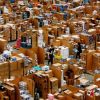
Amazon shareholders to vote on revealing retailer’s plastic footprint
Amazon is under pressure to reduce its plastic footprint, as shareholders prepare to vote on Wednesday on a resolution calling for it to disclose how much of its plastic packaging ends up in the environment.
-
 +15 +1
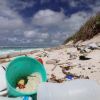
Plastic debris on remote islands raises temperatures by 2.5C and threatens turtle populations
Study of Henderson Island and the Cocos (Keeling) Islands finds plastic acts as an insulator, making sand hotter and leading to more female turtle offspring.
Submit a link
Start a discussion