




















-
 +18 +1
Pollution breakthrough as new enzyme helps ‘eat’ plastic used in drinks bottles
A new breakthrough could offer hope in the battle against plastic pollution - an enzyme which ‘eats’ plastic and could help to break down single-use drinks bottles. More than 400 million tons of plastic waste are produced each year, the overwhelming majority of which ends up in landfills, the University of Portsmouth researchers say.
-
 +19 +1
Microplastics found in human blood for first time
Microplastic pollution has been detected in human blood for the first time, with scientists finding the tiny particles in almost 80% of the people tested. The discovery shows the particles can travel around the body and may lodge in organs. The impact on health is as yet unknown. But researchers are concerned as microplastics cause damage to human cells in the laboratory and air pollution particles are already known to enter the body and cause millions of early deaths a year.
-
 +13 +1
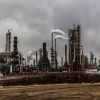
Global air pollution levels spiked in 2021 after a drop during 2020 lockdowns, report says
The Amazon rainforest is emitting more carbon dioxide than it absorbs, according to a new pollution report—the opposite of what is supposed to happen.
-
 +15 +1
Deep-Sea Octopuses Are Making Shelters Out Of Human Trash
One man’s trash is an octopus’ treasure. A group of researchers from Italy and Brazil wanted to take a closer at how deep-sea octopuses interact with trash that makes its way to the ocean after being discarded by humans.
-
 +4 +1
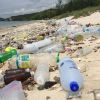
+4 +1Visible ocean plastics just the tip of the iceberg
While the billions of tons of plastic products produced in the "Plastic Age" of the last half-century have drastically changed the way we live for the better, the plastic waste that has made it into the environment is posing new challenges for nature.
-
 +4 +1
+4 +1Even many decades later, redlined areas see higher levels of air pollution
"We see a really clear association between how these maps were drawn in the '30s and the air pollution disparities today," says an author of a study on the effects of the discriminatory policy.
-
 +18 +1
Half of American IQs lessened by lead in gasoline, study says
The IQ of more than half the United States population has been negatively affected by the presence of lead in gasoline, a new study estimates. The peer-reviewed study published by the Proceedings of the National Academy of Sciences (PNAS) journal discovered childhood exposure to leaded gasoline cost the U.S. a deficit of at least 824 million IQ points, or approximately 2.6 points per American.
-
 +4 +1
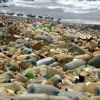
+4 +1UN passes historic resolution to end plastic pollution: What does it mean, why this is a need of the hour
The landmark resolution addresses the full lifecycle of plastic, including its production, design and disposal. The resolution calls for immediate collective voluntary action by countries towards the goal of ending plastic pollution.
-
 +3 +1
+3 +1Edible packaging made from seaweed could replace single-use plastics
Single-use plastics are taking a huge toll on our planet. Our landfills and ecosystems are overwhelmed with food containers, cling wrap, single-use coffee cups, milk cartons, and more. Plastic pollution causes harm to humans, animals, and plants by its greenhouse gases and through the ingestion of microplastics, taking hundreds to thousands of years for plastic to break down, causing permanent damage.
-
 +22 +1
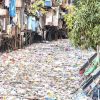
Plastic pollution: Green light for 'historic' treaty
Nearly 200 countries agree to start negotiations on a global treaty to tackle the plastic "crisis".
-
 +24 +1
Tiny Robots Could Remove Chemical Pollution From Our Waterways
These magnet-controlled nanorobots might change the way we clean our water.
-
 +16 +1
How to clear the air in the most polluted cities on Earth
How countries like India can have economic growth and cleaner air.
-
 +15 +1
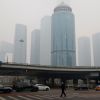
Urban air pollution affects 2.5 billion people worldwide, study says
The researchers attributed 1.8 million deaths in 2019 to these unhealthy levels of urban air pollution, primarily in the form of tiny particulate matter (PM2.5) -- microscopic liquid droplets or solid particles in the air that are inhalable.
-
 +14 +1
Snowfall in the Alps is full of plastics particles
New research from the Swiss Federal Laboratories For Materials Science And Technology (EMPA), Utrecht University, and the Austrian Central Institute for Meteorology and Geophysics showcase the scale and huge range of pollution carried through the atmosphere.
-
 +17 +1
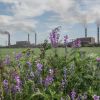
Scientists find there are 70% fewer pollinators, due to air pollution
Air pollution significantly reduces pollination by confusing butterflies and bees, lessening their ability to sniff out crops and wildflowers. Insects provide pollination of important food crops and native wildflowers, but researchers sought to understand how air pollution affects different pollinating insect species, of which, some rely on scent above all other senses.
-
 +17 +1
Nearly 28,000 miles of Pennsylvania's streams are impaired by pollution, report finds
One-third of all Pennsylvania waterways are now considered polluted enough to harm wildlife, recreation or drinking water, according to a report released this week by the state's Department of Environmental Protection. The DEP listed 27,886 miles of streams it found impaired in one or more ways, which is about 9% worse than its 2020 estimate.
-
 +24 +1
Polish researchers invent anti-smog sound cannon
In a battle against Poland's constant smog, scientists are testing out a new "cannon" that uses soundwaves to push toxic particles higher into the atmosphere to allow residents to breathe.
-
 +3 +1
+3 +1Chemical pollution has passed safe limit for humanity, say scientists
The cocktail of chemical pollution that pervades the planet now threatens the stability of global ecosystems upon which humanity depends, scientists have said. Plastics are of particularly high concern, they said, along with 350,000 synthetic chemicals including pesticides, industrial compounds and antibiotics. Plastic pollution is now found from the summit of Mount Everest to the deepest oceans, and some toxic chemicals, such as PCBs, are long-lasting and widespread.
-
 +23 +1
Chemical pollution has passed safe limit for humanity, say scientists
Study calls for cap on production and release as pollution threatens global ecosystems upon which life depends
-
 +13 +1
Air pollution: Delhi's smog problem is rooted in India's water crisis
Years of ill-conceived farming practices have contributed to India's worsening air pollution.
Submit a link
Start a discussion