





















-
 +3 +1
+3 +1Burnout is rising in the land of work-life balance
Sweden is famous for championing a balanced lifestyle, but the number of young people being signed off work with severe stress is growing.
-
 +25 +1
Paralysed patients regain use of their hands with pioneering nerve transfer operation
'For one of my patients it wasn't just life changing, it was life saving. He had decided he was going to check out... now he is back at work and taking his child to the movies'
-
 +40 +1
Elon Musk Unveils Never-Before-Seen Neuralink Technology
It’s usually pretty easy to figure out what someone like Elon Musk is up to. Simply check this high-profile thought leader’s social platform where he updates the world on his latest ventures, opinions on science and tech and what prompted him to send his Tesla Roadster into space. But for the past three years, Musk has been tight-lipped about his neuroscience-based startup, Neuralink — until now.
-
 +18 +1
Scientists Made Mice Hallucinate by Shining Holograms Onto Their Brains
The strange technique holds great therapeutic potential.
-
 +28 +1
Scientists close in on blood test for Alzheimer's
Doctors are hoping for something to use during routine exams, where most dementia symptoms are evaluated.
-
 +16 +1
Chronic Schizophrenia Put Into Remission Without Medication
New research suggests ketogenic diet may play a role in treating schizophrenia.
-
 +6 +1
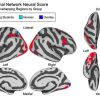
+6 +1Your brain activity can be used to measure how well you understand a concept
Summary: A new deep learning algorithm is able to detect how well a STEM student understands a concept based on their brain activity.
-
 +35 +1
Education, Intelligence May Protect Cognition, But Don’t Prevent Alzheimer’s Disease
In a search for clues to what may delay or prevent Alzheimer’s disease, Johns Hopkins Medicine scientists report that smarter, more educated people aren’t protected from the disease, but do get a cognitive “head start” that may keep their minds functioning better temporarily.
-
 +24 +1
Short Bursts of Exercise May Prime the Brain for Learning
Exercise-induced changes to synaptic function may increase brain connectivity.
-
 +9 +1
+9 +1Does poor sleep in your 50s warn of Alzheimer's?
"There is no Goldilocks decade during which you can say, 'This is when I get my chance to short sleep.'"
-
 +16 +1
Study reveals a short bout of exercise enhances brain function
OHSU research discovers a gene in mice that’s activated by brief periods of exercise.
-
 +33 +1
Study finds electronic cigarettes damage brain stem cells
A research team at the University of California, Riverside, has found that electronic cigarettes, often targeted to youth and pregnant women, produce a stress response in neural stem cells, which are critical cells in the brain. Present throughout life, stem cells become specialized cells with more specific functions, such as brain cells, blood cells, or bone. Far more sensitive to stress than the specialized cells they become, stem cells provide a model to study exposure to toxicants, such as cigarette smoke.
-
 +51 +1
Scientists Are Giving Dead Brains New Life. What Could Go Wrong?
In experiments on pig organs, scientists at Yale made a discovery that could someday challenge our understanding of what it means to die.
-
 +10 +1
A New Way To Test For Signs Of Consciousness In Unresponsive, Brain-Injured Patients
Scientists are investigating a better test of consciousness in brain-injured patients. If it becomes widely available, it could help with agonizing decisions about withdrawal of life support.
-
 +10 +1
How you and your friends can play a video game together using only your minds
UW researchers created a method for two people help a third person solve a task using only their minds.
-
 +4 +1
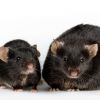
+4 +1Sweet, fatty foods could remodel the brain to drive overeating
As mice become obese, neurons that tamp down on feeding get quiet
-
 +9 +1
+9 +1‘Mystical’ psychedelic compound found in normal brains
Summary: DMT, an active compound of the psychedelic Ayahuasca, is naturally occurring in the mammalian brain, researchers have discovered.
-
 +6 +1
+6 +1Processed Foods May Hold Key to Rise in Autism
Processed Foods May Hold Key to Rise in Autism | Read more about UCF Colleges & Campus News, Health & Medicine, Research, Science & Technology, Orlando and Central Florida news.
-
 +13 +1
Early brain 'signs of Parkinson's' found
Changes in a chemical called serotonin were found 15 to 20 years in advance of symptoms.
-
 +25 +1
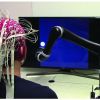
First-ever successful mind-controlled robotic arm without brain implants
A team of researchers from Carnegie Mellon University, in collaboration with the University of Minnesota, has made a breakthrough in the field of noninvasive robotic device control. Using a noninvasive brain-computer interface (BCI), researchers have developed the first-ever successful mind-controlled robotic arm exhibiting the ability to continuously track and follow a computer cursor.
Submit a link
Start a discussion