


















-
 +9 +1
+9 +1How Deep Sleep May Help The Brain Clear Alzheimer's Toxins
A study of 11 sleeping brains sheds some light on the mysterious link between sleep problems and Alzheimer's disease. The flow of cerebrospinal fluid through the brain appears to be the key.
-
 +17 +1
How to Solve a Hard Problem (In Your Sleep)
Our brains don't turn off when we fall asleep—but can they solve hard problems?
-
 +17 +1
How Magic Mushrooms Can Help Smokers Kick The Habit
Carine Chen-McLaughlin smoked for more than 40 years. She didn't want to be a smoker. She'd tried to stop dozens of times over the decades. But she always came back. Smoking was "one of my oldest, dearest friends," she said of her habit. "To not have that relationship was very, very scary."
-
 +19 +1
Why skimping on sleep makes your brain crave sweets
The secret lies in the way your brain makes sense of scents
-
 +14 +1
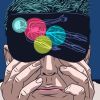
Your Body on No Sleep
In short, nothing good—and just one bad night can trigger a cascade of scary side effects
-
 +4 +1
+4 +1UCI study identifies brain protein that could put the brakes on Alzheimer’s
Discovery of TOM-1 protein role heralds new directions in the disease fight
-
 +25 +1
To Pay Attention, the Brain Uses Filters, Not a Spotlight
A brain circuit that suppresses distracting sensory information holds important clues about attention and other cognitive processes.
-
 +11 +1
Human culture and cognition evolved through the emotions
Universal emotions are the deep engine of human consciousness and the basis of our profound affinity with other animals
-
 +20 +1
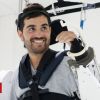
Paralysed man moves in mind-reading exoskeleton
A man who had not walked for two years was able to move all his limbs thanks to new technology.
-
 +11 +1
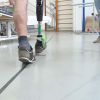
A prosthetic leg that attaches to nerves feels like part of the body
People who have had a leg amputated found that a prosthetic leg with sensors felt like an extension of their own bodies and helped them avoid tripping over
-
 +10 +1
No evidence that testosterone reduces cognitive empathy
In the largest study of its kind, researchers found that testosterone administration did not affect cognitive empathy, a measure of the ability to recognize another’s feelings and motivations. The finding calls into question the theory that the symptoms of autism are caused by a hyper-masculinized brain.
-
 +16 +1
What if your consciousness is an illusion created by your brain?
Phenomenal consciousness is a fiction written by our brains to help us track the impact that the world makes on us
-
 +3 +1
+3 +1The secret of motivation
Success is no accident: To reach your goal you need perseverance. But where does the motivation come from? An international team of researchers led by scientists from the Technical University of Munich (TUM) has now identified the neural circuit in the brain of fruit flies which makes them perform at their best when searching for food.
-
 +12 +1
A Dream Within a Dream
The dream within a dream may be a hybrid sleep-wake state of consciousness.
-
 +17 +1
Brain implants could allow companies and politicians to access thoughts and mood, Royal Society warns
Brain reading implants could allow companies, politicians or marketeers to access people’s thoughts and moods, the Royal Society has warned, as it called on the government to launch an urgent inquiry into the new technology to protect human rights. Several companies and labs are developing neural interface software, including Elon Musk who is planning human trials next year to insert electrodes into the brains of people with locked-in syndrome to help them communicate.
-
 +19 +1
'Lefty DNA' found - and it changes brain structure
Scientists start to chip away at the mystery of why one in 10 people is left-handed.
-
 +3 +1
+3 +1Brain Implants Could Change Humanity Forever
Mesh implants could help treat diseases and change how we age
-
 +18 +1
Mind-reading technology is closer than you think
Companies and governments are getting closer to mind-reading technology, and right now, no laws prevent the NSA from spying on our brains or from companies collecting brain data and selling the information to third parties.
-
 +12 +1
Master Your Feelings With New Tools Inspired by Neuroscience
Neuroscience research uncovers a new type of emotional intelligence.
-
 +4 +1
+4 +1Drugs that calm ‘touch neurons’ may ease autism traits
An experimental drug that muffles the activity of neurons in the skin moderates heightened reactions to touch in six mouse models of autism.
Submit a link
Start a discussion