



















-
 +17 +4
Scientists discover hidden deep-sea coral reef off South Carolina Coast
If you think Charleston, South Carolina, has plenty of history within its pre-Colonial grounds, just look at what’s been hiding 160 miles off the city’s coast for thousands of years: a giant deep-sea coral reef system. The chief scientist who helped make the discovery called it unbelievable.
-
 +10 +2
A new dimension to marine restoration: 3D printing coral reefs
The local fishermen looked on skeptically. From the deck of a small motorboat, scuba divers grabbed odd chunks of ceramic – which could be described as rocky brains stuck on stumpy stilts – and plunged into the aquamarine waters. The dive team assembled the pieces as a few triggerfish circled around to investigate the commotion.
-
 +11 +2
Siphonophore
Deepsea Oddities
-
 +15 +2
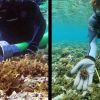
Sea urchins help researchers fight reef-smothering algae
A management approach that combines manual removal and outplanting native sea urchin is effective in reducing invasive, reef-smothering macroalgae by 85 percent on a coral reef off Oʻahu, according to researchers. Globally, the health of coral reefs is threatened due to rising ocean temperatures and ocean acidification. Local factors such as invasive macroalgae also pose a serious risk to coral reefs—monopolizing reef habitats and overgrowing and smothering native species, such as corals.
-
 +19 +3
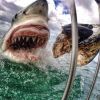
Teeth from a mega-shark twice the size of a Great White found in Australia
Fossil enthusiast Philip Mullaly was walking along the beach in Victoria Australia when he saw it: a glint in a boulder with quarter of a tooth exposed. "I was immediately excited, it was just perfect and I knew it was an important find that needed to be shared with people," Mullaly explained.
-
 +23 +5
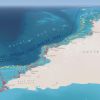
Half of the Great Barrier Reef Is Dead
Half of the Great Barrier Reef has been bleached to death since 2016. Mass coral bleaching, a global problem triggered by climate change, occurs when unnaturally hot ocean water destroys a reef’s colorful algae, leaving the coral to starve. The Great Barrier Reef illustrates how extensive the damage can be: Thirty percent of the coral perished in 2016, another 20 percent in 2017. The effect is akin to a forest after a devastating fire.
-
 +21 +5
A Toxic Tide Is Killing Florida Wildlife
Florida has an algae problem, and it’s big. This year, an overgrowth in the waters off the state’s southwestern coast is killing wildlife and making some beaches noxious. The toxic algal bloom, known as a red tide, is not unusual. They appear off the state’s coast almost every year. But this one, still going strong after roughly nine months, is the longest since 2006, when blooms that originated in 2004 finally abated after 17 months.
-
 +36 +8
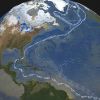
New study linking warming with disrupted Atlantic flow has scientists “grumpy”
Recent paper makes a big claim, but other scientists are unconvinced.
-
 +33 +4
What Happens to the Plastic We Throw Out
How a piece of trash can travel from land to Henderson Island, an uninhabited, remote island in the middle of the South Pacific Ocean.
-
 +24 +2
Acidic oceans cause fish to lose their sense of smell
Fish are losing their sense of smell because of increasingly acidic oceans caused by rising levels of carbon dioxide (CO2) in the atmosphere, new research shows.
-
 +8 +1
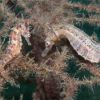
+8 +1'Seahorse hotels' bring a species back from the brink
It is not much more than a chicken wire cage, but the nicely named "seahorse hotel" is behind a population resurgence of Australia's endangered white seahorse. One of the largest concentrations of seahorses in the world was once found at Port Stephens on the New South Wales coast, until wild storm seasons from 2010 to 2013 destroyed habitat and almost destroyed the population.
-
 +37 +6
Hawaii is first state to ban sale of certain sunscreens
Coral harming chemicals oxybenzone and octinoxate.are to blame for the ban, which was just signed by governor. The ban won't take effect until 2021.
-
 +9 +2
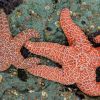
+9 +2The amazing return of the starfish: species triumphs over melting disease
Five years after a mysterious virus wiped out millions of starfish off the western coast of North America, causing them to lose legs, dissolve into fleshy goo and taking various species to the brink of disappearance, scientists have announced a remarkable reversal.
-
 +24 +8
How one man died so a whale might live
Humans have spent more than 10 centuries emptying the ocean of some of its most extraordinary animals. Today, a coalition of scientists and fishermen are trying to turn the tide – and learning that conservation is much harder than destruction
-
 +17 +4
Tarpon Fish Hunting
-
 +15 +5
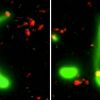
Using Harpoon-Like Appendages, Bacteria ‘Fish’ for New DNA
Seeing how microbes snatch new genetic material from their environment could help in the fight against antibiotic resistance.
-
 +34 +4
The Endling: Watching a Species Vanish in Real Time
On the frontlines of extinction in the Gulf of California, where the vaquita faces its final days.
-
 +27 +4
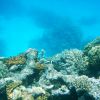
Marine Heat Waves, Changing Ocean Currents and Capitalism's Threat to Life
On World Oceans Day, let's commit to preserving this vital ecosystem.
-
 +20 +6
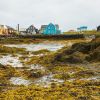
A Fish Called Rockweed
Who owns Maine’s most important seaweed?
-
 +24 +4
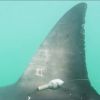
Great White Sharks Have A Secret 'Cafe,' And They Led Scientists Right To It
These sharks have a hidden life that's becoming a lot less hidden, thanks to a scientific expedition that was years in the making.
Submit a link
Start a discussion