





















-
 +15 +1
Adverse cardiovascular effects of noise in humans.
Noise has been found associated with annoyance, stress, sleep disturbance, and impaired cognitive performance. Furthermore, epidemiological studies have found that environmental noise is associated with an increased incidence of arterial hypertension, myocardial infarction, heart failure, and stroke. There is now plenty of evidence that noise makes you sick. After carrying out a review of previous studies, they concluded that noise induces a stress response through the sympathetic nervous system, the system which activates the so-called fight or flight response. In turn, this increases hormone levels.
-
 +38 +2
Google has developed a way to predict your risk of a heart attack just by scanning your eye
Google-created AI can examine heart health and predict risk for a major cardiovascular event like a heart attack or stroke by looking at a photo of the retina.
-
 +18 +2
Dave Feldman: Biohacking High Cholesterol Levels on Keto Diet
You can definitely play with the numbers. Have fun!
1 comments by Gozzin -
 +19 +1
Cardiologists succeed in localized cooling of the heart to limit damage from heart attack.
Cardiologists at the Catharina hospital in Eindhoven have succeeded in the localized cooling of the heart during a heart attack, a world first. By cooling part of the heart prior to and following angioplasty, the cardiologists believe that the damage from a heart attack can be limited.
-
 +20 +2
A Heart Risk Factor Even Doctors Know Little About
Up to one in five Americans have high levels of lipoprotein(a) in their blood, putting them at risk of heart attacks and strokes.
-
 +22 +1
Stunned CPR hero receives text from heart attack victim he thought had died
A FIREFIGHTER was stunned when he received a thank-you text – from a man he thought had died. Chris Kendall performed CPR on heart attack victim Allan Hainey for 15 minutes but he was told later by police that Allan had passed away. Five months later, Chris, 32, got a text from Allan thanking him for saving his life.
-
 +43 +1
Tomorrow’s Heart Drugs Might Target Gut Microbes
If your cholesterol levels are high, your doctor might prescribe you a statin, a drug that blocks one of the enzymes involved in creating cholesterol. But in the future, she might also prescribe a second drug that technically doesn’t target your body at all. Instead, it would manipulate the microbes in your gut. Each of us is home to trillions of bacteria and other microbes—a teeming mass collectively known as the microbiome.
-
 +6 +1
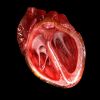
+6 +1Computer Generated Cross Section 3d Model of Heart. #science
-
 +13 +1
Cardiovascular effects of commonly used ophthalmic medications.
This article will review the cardiovascular and systemic side effects of commonly prescribed topical ocular medications (eye drops) and will describe important contraindications to their use in patients with cardiovascular disease.
-
 +17 +1
Renowned surgeon opens up about what really causes heart disease.
The only accepted therapy was prescribing medications to lower cholesterol and a diet that severely restricted fat intake. But It’s Not Working! These recommendations are no longer scientifically or morally defensible. The discovery a few years ago that inflammation in the artery wall is the real cause of heart disease is slowly leading to a paradigm shift in how heart disease and other chronic ailments will be treated.
-
 +15 +1
Baby has heart put back inside chest
A baby born with her heart outside her body has survived after surgery at Glenfield Hospital in Leicester. Vanellope Hope Wilkins, who has no breastbone, was delivered three weeks ago by Caesarean section. She has had three operations to place her heart back in her chest. The condition, ectopia cordis, is extremely rare with only a few cases per million births, of which most are stillborn.
-
 +19 +2
Fully Functioning Artificial Human Heart Muscle Developed
Duke University researchers say they have created an artificial human heart muscle large enough to patch over damage seen in patients who have suffered a heart attack. The advance takes a major step toward the end goal of repairing dead heart muscle in human patients, the team adds.
-
 +16 +1
A broken heart can cause as much damage as a heart attack
Severe emotional stress can prompt a sudden heart condition that poses the same sort of long-term damage as a heart attack, new research has found. Takotsubo cardiomyopathy – or “broken heart syndrome” - affects at least 3,000 people in the UK and is typically triggered by traumatic life events such as bereavement. During an attack, the heart muscle weakens to the point where it can no longer function as effectively.
-
 +25 +1
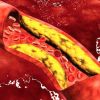
Drug 'melts away' fat inside arteries
A new drug being trialled for treating breast cancer and diabetes has been shown to 'melt away' the fat inside arteries that can cause heart attacks and strokes. Researchers from the University of Aberdeen, using pre-clinical mouse models, showed that just a single dose of the drug (Trodusquemine) completely reversed the effects of a disease that causes a host of heart problems.
-
 +28 +1
The FDA Warns That Black Licorice Can Cause Heart Problems in Adults
Reasonable people have agreed for decades that black licorice is the most disgusting, repulsive candy on the planet.
-
 +7 +1
+7 +1Hasselt surgeon performs world first in keyhole valve replacement.
Heart surgeon Alaaddin Yilmaz has developed a technique for performing valve replacement surgery using tiny incisions, a world premiere. The procedure offers not only a major savings in costs associated with open heart surgery but also vastly improves the recovery period and the risk of complications.
-
 +22 +1
Solution for heart surgery for kids.
A prototype valve grows with the patient, so doesn’t need replacing.
-
 +2 +2
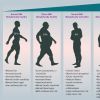
+2 +2Causes, Characteristics, and Consequences of Metabolically Unhealthy Normal Weight in Humans
A BMI in the normal range associates with a decreased risk of cardiometabolic disease and all-cause mortality. However, not all subjects in this BMI range have this low risk. Compared to people who are of normal weight and metabolically healthy, subjects who are of normal weight but metabolically unhealthy (∼20% of the normal weight adult population) have a greater than 3-fold higher risk of all-cause mortality and/or cardiovascular events.
-
 +5 +1
+5 +1Lower socioeconomic status in childhood predicts higher arterial stiffness in adulthood.
Previous studies have shown that the development of atherosclerosis begins already early in childhood and that childhood socioeconomic status predicts the risk of cardiovascular diseases far into adulthood.
-
 +23 +1
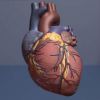
A first: Drug lowers heart risks by curbing inflammation
For the first time, a drug has helped prevent heart attacks by curbing inflammation, a new and very different approach than lowering cholesterol, the focus for many years.
Submit a link
Start a discussion