




















-
 +22 +5
The public “deserve to know” that there is an overlooked subset of people who thrive after major depression
By Emma Young. More research is needed into people who experience “high functioning after depression”.
-
 +9 +2
+9 +2Study: Volunteering is linked to reduced depression via increased social connectedness
Psychology researchers in Ireland have shed new light on why volunteering is associated with reduced depressive symptoms.
-
 +18 +1
Behavioral risk factors for depression vary with age, UCLA study finds
Smoking, obesity, limited physical activity and a less healthy diet are among factors that strongly predict the likelihood of depression. That likelihood increases with each additional risk factor a person possesses.
-
 +10 +1
Magic Mushrooms May Be an FDA-Approved Drug for Anxiety and Depression in the Near Future
According to a new study, psilocybin found in “magic” mushrooms, could be useful in treating anxiety and depression.
-
 +18 +3
Scientists question whether prescription practices can help the environment
A huge rise in the number of people taking antidepressant drugs is potentially posing a threat to the environment, according to new research. An expert in the effects of human waste on marine life and an expert in ethical pharmacology, both at the University of Portsmouth, are calling for prescribers to be taught what happens when drugs in human waste enter the environment.
-
 +8 +1
+8 +1Heartbroken mum found hanged after son killed himself following false rape claim
The heartbroken mum of a teenager who took his own life after being accused of rape before the report was withdrawn has been found hanged in her family home. The family of grief-stricken Karin Cheshire, 55, said she 'could not see a future' without son Jay Cheshire, 17, who took his own life after allegations of rape were made against him. The complaint was withdrawn after two weeks but were said to have deeply affected Jay.
-
 +14 +1
Eating junk food raises risk of depression, says multi-country study
Eating junk food increases the risk of becoming depressed, a study has found, prompting calls for doctors to routinely give dietary advice to patients as part of their treatment for depression. In contrast, those who follow a traditional Mediterranean diet are much less likely to develop depression because the fish, fruit, nuts and vegetables that diet involves help protect against Britain’s commonest mental health problem, the research suggests.
-
 +19 +2
Antidepressants might fail if you use your phone in bed, study suggests
Monash University research raises the prospect of a link between antidepressants and light sensitivity.
-
 +30 +4
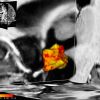
In depression the brain region for stress control is larger
Although depression is one of the leading psychiatric disorders in Germany, its cause remains unclear. A recent study at the Max Planck Institute for Human Cognitive and Brain Sciences (MPI CBS) in Leipzig, Germany, and the Department of Psychiatry and Psychotherapy of the University Clinic in Leipzig found that those affected by depressive disorder have a larger hypothalamus compared to their healthy counterparts.
-
 +8 +1
+8 +1Is Your Gut Making You Depressed or Anxious?
Savvy Psychologist Dr. Ellen Hendriksen goes straight for the gut with three surprising mind-gut connections.
-
 +22 +3
Can ketamine treat depression? I tried it.
How the veterinary anesthetic and recreational drug saved me from suicidal thoughts.
-
 +32 +8
Drugs alone won't fix our epidemic of depression
To fight a rising tide of depression and suicide, psychiatrists need to do more than just fill patients up with pills writes James S Gordon, a psychiatrist
-
 +20 +4
Could psychedelics be prescribed for depression?
Growing evidence suggests that hallucinogenic drugs can help quell depression. Following the government’s review of medicinal cannabis last month, Jack Dutton asks whether we are at a turning point in drug policy
-
 +17 +1
Positive psychology—with Martin Seligman
During the 1960s the field of psychology focussed on the science of how past trauma creates present symptoms—Professor Martin Seligman wanted to change that focus. He’s become known as the Father of Positive Psychology and in Part 1 of our 2 programs hear him address an exclusive audience in Australia on happiness and human flourishing.
-
 +17 +3
Amazonian psychedelic may ease severe depression, new study shows
“Leon” is a young Brazilian man who has long struggled with depression. He keeps an anonymous blog, in Portuguese, where he describes the challenge of living with a mental illness that affects some 300 million people worldwide, according to the World Health Organization. Leon is among the roughly 30 percent of those patients with treatment-resistant depression. Available antidepressant drugs like selective serotonin reuptake inhibitors do not alleviate his depressed mood, fatigue, anxiety, low self-esteem and suicidal thoughts.
-
 +15 +1
Women who identify as ‘early birds’ are less likely to get depressed, study claims
Women who describe themselves as “early risers” are less likely to develop depression, new research claims. A study of more than 32,000 women published in the Journal of Psychiatric Research found that those who are naturally inclined to wake up early are at a lower risk of the mental illness due to greater daylight exposure. Researchers at the University of Colorado at Boulder and Brigham and Women’s Hospital in Boston examined...
-
 +32 +3
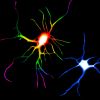
LSD and magic mushrooms could repair brain circuits 'shrivelled' by depression, finds study
Psychedelics could be 'next generation' of safer treatments for mental health
-
 +28 +3
Online dating lowers self-esteem, increases depression
Dating apps are a booming business, but they may be taking a toll on their users' mental health.
-
 +14 +1
On depression and writing
For as long as I can remember, anxiety and I have had a very passionate relationship.
-
 +24 +2
Body clock disruption increases risk of depression, study finds
Disruption to the body clock increases the risk of mood disorders and depression, a large study has confirmed. Scientists at the University of Glasgow looked at the circadian rhythms - which control functions including sleep patterns, body temperature, our immune systems and the release of hormones - of more than 90,000 people to measure daily rest-activity rhythms, called relative amplitude.
Submit a link
Start a discussion