


















-
 +21 +1
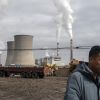
China's construction boom is sending CO2 emissions through the roof
China's plan to build its way out of the pandemic is pushing its carbon emissions to record highs, new research has found. The country's CO2 emissions from fossil fuels and cement production grew 14.5% in the first quarter of 2021 compared to the previous year, according to a Thursday report from the Centre for Research on Energy and Clean Air (CREA). That's the fastest rate of growth in more than a decade, lead analyst Lauri Myllyvirta wrote.
-
 +21 +1
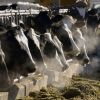
Air pollution from farms leads to 17,900 U.S. deaths per year, study finds
The smell of hog feces was overwhelming, Elsie Herring said...
-
 +3 +1
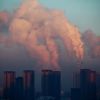
+3 +1China’s carbon pollution now surpasses all developed countries combined
As China's coal-reliant economy has boomed, so, too, have its emissions.
-
 +21 +1
Fish have been swallowing microplastics since the 1950s
Researchers examined the guts of freshwater fish preserved in museum collections; they found that fish have been swallowing microplastics since the 1950s and that the concentration of microplastics in their guts has increased over time.
-
 +28 +1
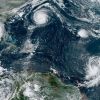
Officials, Voters, Show More Concern About Plastic Waste in Ocean After Kids’ Presentations
A new study from North Carolina State University found that, on average, voters and local leaders showed greater concern about plastic and other garbage in the ocean after watching kids’ presentations.
-
 +15 +1
Tire-related chemical is largely responsible for adult coho salmon deaths in urban streams
Every fall more than half of the coho salmon that return to Puget Sound’s urban streams die before they can spawn. In some streams, all of them die. But scientists didn’t know why.
-
 +15 +1
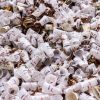
Confronting plastic pollution to protect environmental and public health
Some 8,300 million metric tons of plastics have been manufactured since production exploded in the 1950s, with more than 75 percent ending up as waste and 15 million metric tons reaching oceans every year. Plastic waste fragments into increasingly smaller but environmentally persistent "microplastics," with potentially harmful effects on the health of people, wildlife and ecosystems.
-
 +4 +1
+4 +1New device scans waterways to detect hard-to-find microplastics
Engineers at the Woods Hole Oceanographic Institution are developing a tool that could autonomously scan the earth's waterways to separate and identify tiny plastic shards and other pollutants that are notoriously difficult to track.
-
 +4 +1
+4 +1PPE use in England generated 'colossal' amount of carbon
The considerable use of personal protective equipment (PPE) in health and social care services in England during the first six months of the pandemic added an additional 1% to the carbon burden, a new analysis suggests.
-
 +12 +1
Behind New Zealand's '100% pure' image lies a toxic truth
New Zealand's dramatic and pristine landscape has been a magnet for tourists and Hollywood directors. But the country is facing a growing pollution crisis.
-
 +18 +1
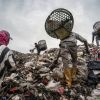
Exports of US plastic garbage rise, despite ban
Even though it’s now illegal for most countries to accept all but the purest forms of plastic scrap from the United States, there’s nothing that prevents the United States from sending the waste. The main reason: The United States is one of the few countries in the world that didn’t ratify the global ban.
-
 +14 +1
Teenage Activists Post Signs to Warn of Toxic Air in London Neighborhoods
A group of teenagers, living in some of London's most polluted communities, are posting roadsigns highlighting the disproportionate impact air pollution has on people of color. The campaign, organized by Choked Up, a group made up of self-described "Black & brown teens," has posted signs throughout the city which warn "breathing kills" and "pollution zone," The Guardian reported.
-
 +18 +1
Binning single-use plastic for good: how businesses are preparing for SA's plastic ban
The countdown is on until South Australia's single-use plastics ban begins to roll out, with business owners preparing for the change next week.
-
 +2 +1
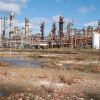
+2 +1150 years of spills: Philadelphia refinery cleanup highlights toxic legacy of fossil fuels
Wearing blue hard hats, white hazmat suits and respirator masks, workers carted away bags of debris on a recent morning from a sprawling and now-defunct oil refinery once operated by Philadelphia Energy Solutions (PES).
-
 +2 +1
+2 +1‘Air pollution major cause of cardiovascular disease’
Leading cardiovascular organisations have called for urgent action to reduce air pollution, which they identified as a key risk factor for cardiovascular disease, and a major contributor to global disease burden.
-
 +12 +1
Cleaner air and a climate solution, are now within reach — if we have the political will
Clean air, cheaper energy and responding to climate change all have the same solution — and Americans are ready.
-
 +11 +1
Ocean pollutants 'have negative effect on male fertility'
Long-lived banned industrial chemicals may be threatening the fertility of male porpoises living off the UK. Polychlorinated byphenyls (PCBs) were phased out decades ago, but can build up in whales, dolphins and porpoises. Scientists say harbour porpoises exposed to PCBs had shrunken testicles, suggesting an effect on sperm count and fertility.
-
 +3 +1
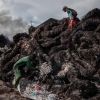
+3 +1'Loophole' will let UK continue to ship plastic waste to poorer countries
The UK has been accused of failing to honour its promise to curb shipments of plastic waste to developing countries, after it emerged Britain’s new post-Brexit regulations are less stringent than those imposed by the EU. From 1 January, shipments of unsorted plastic waste from the EU to non-OECD countries were banned.
-
 +22 +1
50 countries commit to protection of 30% of Earth's land and oceans
A coalition of 50 countries has committed to protect almost a third of the planet by 2030 to halt the destruction of the natural world and slow extinctions of wildlife. The High Ambition Coalition (HAC) for Nature and People, which includes the UK and countries from six continents, made the pledge to protect at least 30% of the planet’s land and oceans before the One Planet summit in Paris on Monday, hosted by the French president, Emmanuel Macron.
-
 +17 +1
In Pictures: How much plastic are you eating?
What’s for dinner? Lego sushi, credit card burgers, or a well-done piece of PVC pipe? These examples may sound extreme, but can easily represent over time the cumulative amount of microscopic pieces of plastic people consume every day.
Submit a link
Start a discussion