



















-
 +2 +1
+2 +1HIV diagnoses in England fall to lowest level since 2000
Diagnoses of HIV in England have fallen to their lowest level in almost two decades. However, Public Health England (PHE) said challenges around the virus remain, with figures showing that almost half the people newly diagnosed last year were at a late stage of infection, increasing their risk of death. Diagnoses fell by just over a quarter (28%) from 6,271 in 2015 to 4,484 in 2018, PHE said, adding that the continued decline in the virus was down to the success of preventive measures.
-
 +24 +1
Woman is first to receive cornea made from ‘reprogrammed’ stem cells
A Japanese woman in her forties has become the first person in the world to have her cornea repaired using reprogrammed stem cells. At a press conference on 29 August, ophthalmologist Kohji Nishida from Osaka University, Japan, said the woman has a disease in which the stem cells that repair the cornea, a transparent layer that covers and protects the eye, are lost. The condition makes vision blurry and can lead to blindness.
-
 +3 +1
+3 +1A third person may have become HIV-free after a bone marrow transplant
Following news of a man who has been free of HIV since cancer treatment, a third case has now been reported, adding to evidence it may be possible to cure HIV
-
 +1 +1
+1 +1The Nazi book of anatomy still used by surgeons
Eduard Pernkopf created an "atlas" of anatomy by dissecting the bodies of Nazi political prisoners.
-
 +25 +1
Cell injections could train the body to accept a transplanted organ
People having organ transplants in future may no longer have to take anti-rejection medicines, thanks to a technique that could make their immune system see the donor’s tissue as their own.
-
 +7 +1
+7 +1A type of antibiotics can cause hearing loss - and now we know why
Some life-saving antibiotics can cause hearing loss, and we may now know why. A study in mice suggests it is all down to the effects of inflammation, which is the body’s response to infection. This causes ion channels in the sensory hair cells of the inner ear to become more permeable to the antibiotics – known as aminoglycosides – which then increases the cells’ sensitivity to the drugs’ toxic effects.
-
 +23 +1
Brain implant restores partial vision to blind people
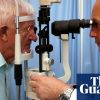
Partial sight has been restored to six blind people via an implant that transmits video images directly to the brain. Some vision was made possible – with the participants’ eyes bypassed – by a video camera attached to glasses which sent footage to electrodes implanted in the visual cortex of the brain.
-
 +7 +1
+7 +1In a World First, Researchers Hijack Bacteria to Guide Stem Cells “Home”
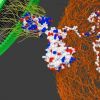
In a world first, scientists have found a new way to direct stem cells to heart tissue. The findings could radically improve the treatment for cardiovascular disease, which causes more than a quarter of all deaths in the UK.
-
 +24 +1
How antibiotics can make flu infections worse by wiping out important gut bacteria
The over-prescription of antibiotics is a major problem in the world today, leading to the dramatic rise of antibiotic-resistant bacteria. New research led by scientists from the Francis Crick Institute in London is suggesting not only are antibiotics ineffective for individuals suffering from influenza, but they can actually worsen the initial viral infection.
-
 +28 +1
Do-it-yourself insulin: Biohackers aim to counteract skyrocketing prices
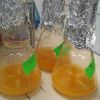
Millions of people with diabetes don’t have access to insulin globally. In the US, many patients have to ration the vital drug due to soaring prices. Now, biohackers have come up with a plan to produce it more cheaply.
-
 +8 +1
+8 +1Gene Linked to Impaired Memory in Down Syndrome – A Potential Drug Target?
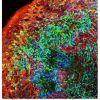
It may one day be possible to reverse abnormal embryonic brain development linked to Down syndrome (DS) and improve cognitive function by therapeutically targeting a key gene known as OLIG2 prenatally, suggests newly published findings. The study published in Cell Stem Cell sought to understand the mechanisms underlying imbalances in excitatory and inhibitory neurotransmission that may be responsible for cognitive defects in DS patients.
-
 +16 +1
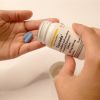
Gilead to donate HIV prevention drug to 200,000 patients
Gilead Sciences will give free Truvada pills to 200,000 uninsured people for the next 11 years to help prevent new HIV infections, the pharmaceutical company said Thursday. The announcement of the donation came just one day after the company said a generic version of the daily pill would be available in September 2020, a year earlier than expected.
-
 +23 +1
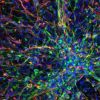
New treatment could become first ever targeted therapy designed for ‘untreatable’ childhood brain cancer
A new type of drug that targets a genetic weakness in an untreatable childhood brain cancer could become the first ever treatment designed to target the disease. The prototype treatment could also offer hope for patients with the rare and devastating ‘stone man syndrome’ – in which muscles and ligaments turn to bone.
-
 +10 +1
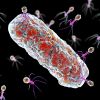
Phage Therapy Win: Mycobacterium Infection Halted
When Graham Hatfull, PhD, a professor at the University of Pittsburgh specializing in phage biology and James Soothill, MD, a microbiologist at Great Ormond Street Hospital for Children (GOHS) in London, met over 20 years ago at a phage biology meeting in Tbilisi, Georgia, they could not have predicted that they would one day collaborate to save the life of a teenage girl with a Mycobacterium infection.
-
 +19 +1
Pig lungs live and breathe outside the body for 36 hours in organ transplant breakthrough
Transplanting any organ is a complicated process, but lungs are particularly vulnerable to damage. Now, researchers have developed a way to repair that damage, keeping the lungs of pigs alive outside the body for up to 36 hours and allowing them to bring the organ up to a transplantable quality.
-
 +34 +1
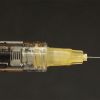
This injectable gel could one day rebuild muscle, skin, and fat
Car crashes, battle wounds, and surgeries can leave people with gaping holes in soft tissue that are often too large for their bodies to repair. Now, researchers have developed a nanofiber-reinforced injectable gel that can rebuild missing muscle and connective tissues by serving as a scaffold and recruiting the body’s wound-healing cells. So far, the team has tested the material only in rats and rabbits. But if it performs as well in humans, it could give reconstructive surgeons a fast and easy way to help patients regenerate lost tissues without scarring or deformity.
-
 +13 +1
Researchers learn how ‘bad cholesterol’ enters artery walls in condition linked to world’s No. 1 killer
UT Southwestern researchers have determined how circulating “bad cholesterol” enters artery walls to cause the plaque that narrows the blood vessels and leads to heart attacks and strokes. Since low-density lipoprotein, or LDL, cholesterol entry into the artery wall drives the development of atherosclerosis, or hardening of the arteries, and atherosclerosis leads to heart attacks and strokes, future treatments preventing the process may help decrease the occurrence of these life-threatening conditions...
-
 +20 +1
Pothole may have saved man's life by jolting heart back into normal rhythm
Potholes are a common complaint among drivers this time of year, but for one man, hitting a pothole may have actually saved his life. Gretna Fire and Rescue, outside of Omaha, Nebraska, was dispatched to help a 59-year-old man Monday whose heart was racing at work.
-
 +13 +1
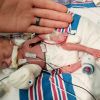
See how this 'fiesty' micropreemie looks after 9 months in a hospital
When Jaimie Florio was 19 weeks pregnant, doctors discovered that her baby was tinier than normal. It was like he was 17 weeks not 19. They ran tests to try to understand why, but the results provided no answers. And baby Connor’s development seemed as if it almost stopped. “His growth was really slowing. They kept telling me he needed to be 500 grams — which is about a pound — to be viable,” Florio, 29 of Danbury, Connecticut told TODAY. “He was nowhere near there. I knew we needed a really good neonatal intensive care unit (NICU).”
-
 +19 +1
Why Are There Religious Exemptions for Vaccines?
This week the City of New York declared a public health emergency because of a measles outbreak that had been escalating since the fall in ultra-Orthodox communities in Brooklyn and finally reached the point of crisis. In December the Health Department had made an effort to contain the disease, ordering yeshivas and child care centers in affected neighborhoods to keep all unvaccinated children from going to school or day care.
Submit a link
Start a discussion