


















-
 +10 +2
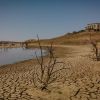
'A war for water': Europe sounds the alarm on water stress ahead of another extreme summer
European lawmakers issued a stark warning about the region’s growing water crisis ahead of another extreme summer, saying there is a pressing need to tackle issues such as scarcity, food security and pollution.
-
 +17 +4
‘I’m a prisoner in my own home,’ asthma sufferer, 15, tells landmark US climate trial
Mica, aged 15, learned about climate change at the young age of four, when his parents showed him the documentary Chasing Ice. “I understood it more than my parents thought I would,” he testified in a groundbreaking trial on Tuesday. “I just knew something bad was happening, but I didn’t know exactly what it was.”
-
 +24 +5
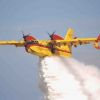
Is Canada ready for a fiery future? We tallied up all of its water bomber planes to find out | CBC News
A wildfire season like no other has tested Canada’s airborne firefighting capacity, revealing that one of the most forested countries in the world may be ill-equipped to deal with fires raging simultaneously from coast to coast.
-
 +24 +7
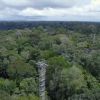
Climate change warnings started in the late 1800s. Here's what humanity knew and when.
Political misinformation continues to swirl around the climate change discussion like a thick fog rolling in off the rising ocean. But a host of government documents and reports by researchers and historians lay a clear trail of what scientists and government officials knew and when.
-
 +20 +5
2 out of 3 North American bird species face extinction. Here's how we can save them
As the climate crisis worsens, so does pressure on wildlife. The number of birds in North America has declined by 3 billion in the last 50 years.
-
 +4 +1
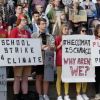
+4 +1In a first, a climate lawsuit from young people is going to trial
Sixteen young people who say the state isn’t doing enough to address climate change will get their day in court Monday. The lawsuit argues that lack of action violates plaintiffs’ rights under the state Constitution. This is the first youth climate lawsuit to ever make it all the way to trial in the U.S.
-
 +18 +5
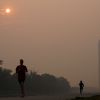
The smoke is clearing over the East Coast—but Canada’s wildfire catastrophe is far from over
While headlines this week in the United States focused on historic levels of air pollution in major East Coast cities like New York and Philadelphia—which have not experienced air quality conditions this poor since the Clean Air Act was passed in 1970—in Canada, it was the unprecedented wildfires themselves that remained the primary worry.
-
 +21 +4
Canada Spent ‘Clean Air Day’ Choking On Climate Failure
Wildfires are just one example of our governments’ collective failure to face down massive systemic challenges.
-
 +20 +3
Arctic Summer Could Be Practically Sea-Ice-Free by the 2030s
In a new study, scientists found that the climate milestone could come about a decade sooner than anticipated, even if planet-warming emissions are gradually reduced.
-
 +25 +1
Canada’s wildfire crisis could be a preview of the future
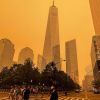
Don’t go outside. That’s what public health officials and medical experts have been advising tens of millions of people in the U.S. over the last couple of days as smoke from raging wildfires in Canada has drifted into the U.S., triggering air alerts and grounding flights across the Northeast, as far south as South Carolina and as far west as Minnesota.
-
 +22 +5
The world's biggest companies have made almost no progress on limiting global warming since 2018 | CNN Business
The vast majority of the world’s biggest companies have done almost nothing in the past five years to cut their planet-heating pollution enough to avoid catastrophic climate change.
-
 +19 +2
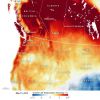
Landslides associated with rapid snowmelt in western North America in May 2023
Several significant landslides associated with rapid snowmelt in western North America in May 2023, driven by exceptional temperatures.
-
 +33 +6
To fight climate change, we've got to quit making so much plastic
A 75 percent reduction is needed to limit warming to 1.5 C, new report says.
-
 +26 +7
It's not just climate – we've already breached most of the Earth's limits. A safer, fairer future means treading lightly
People once believed the planet could always accommodate us. That the resilience of the Earth system meant nature would always provide. But we now know this is not necessarily the case. As big as the world is, our impact is bigger.
-
 +15 +1
A pledge to fight climate change is sending money to strange places
Rich countries promised $100 billion a year to reduce the effects of global warming. Reuters found large sums went to a coal plant, a hotel and chocolate shops.
-
 +29 +3
New York passes first-in-nation law to ban gas and other fossil fuels
The ban on gas in new buildings could face legal challenges, but marks a new milestone in the energy transition sought by climate activists.
-
 +4 +1
+4 +1Salting and burying biomass crops in dry landfills could economically capture greenhouse gases for thousands of years
Reducing global greenhouse gas emissions is critical to avoiding a climate disaster, but current carbon removal methods are proving to be inadequate and costly. Now researchers from the University of California, Berkeley, have proposed a scalable solution that uses simple, inexpensive technologies to remove carbon from our atmosphere and safely store it for thousands of years.
-
 +20 +1
How to improve US cities and tackle the climate crisis? Get rid of parking spaces
New book details how New York could rid the city of rats and create more parks if it repurposed its 3m parking spots
-
 +23 +2
When will global warming actually hit the landmark 1.5 ºC limit?
There’s a 66% chance that the annual global average temperature will hit 1.5 ºC above pre-industrial temperatures at some time in the next five years, according to a World Meteorological Organization report released on 17 May. Reaching 1.5 ºC of warming in a single year will be a landmark moment for the planet, which in 2022 was about 1.15 ºC warmer than in pre-industrial times.
-
 +4 +1
+4 +1Heat Wave and Blackout Would Send Half of Phoenix to E.R., Study Says
If a multiday blackout in Phoenix coincided with a heat wave, nearly half the population would require emergency department care for heat stroke or other heat-related illnesses, a new study suggests. While Phoenix was the most extreme example, the study warned that other cities are also at risk. Since 2015, the number of major blackouts nationwide has more than doubled.
Submit a link
Start a discussion