




















-
 +8 +1
+8 +1FDA Approves First Human Trial for Potential CRISPR-Led HIV Cure
The first-in-human clinical trial for a candidate treatment for individuals living with human immunodeficiency virus type 1 is starting soon after its maker, Excision BioTherapeutics, today received an Investigational New Drug clearance from the U.S. Food and Drug Administration (FDA).
-
 +22 +6
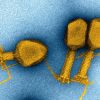
DNA Has Four Bases. Some Viruses Swap in a Fifth.
The DNA of some viruses doesn’t use the same four nucleotide bases found in all other life. New work shows how this exception is possible and hints that it could be more common than we think.
-
 +17 +2
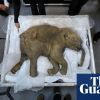
Firm raises $15m to bring back woolly mammoth from extinction
Ten thousand years after woolly mammoths vanished from the face of the Earth, scientists are embarking on an ambitious project to bring the beasts back to the Arctic tundra. The prospect of recreating mammoths and returning them to the wild has been discussed – seriously at times – for more than a decade, but on Monday researchers announced fresh funding they believe could make their dream a reality.
-
 +14 +2
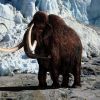
A New Company With a Wild Mission: Bring Back the Woolly Mammoth
With $15 million in private funding, Colossal aims to bring thousands of woolly mammoths back to Siberia. Some scientists are deeply skeptical that will happen.
-
 +4 +1
+4 +1Scientists discovered a Protein that Turns on all existing cancer in the body
The cancer protein that indicates which tumors are ‘on’ could lead to therapies to keep them ‘off’ forever. A team of scientists from the Lunenfeld-Tanenbaum Research Institute in Canada found a specific protein that turns on cancer in the human body. It is not limited to a specific type of cancerous condition but appears to be common to all variants seen by medicine thus far
-
 +19 +5
World's Leading Geneticists Aim to Resurrect Woolly Mammoth
It was a member of a small, isolated community of mammoths that was the last vestige of a once-thriving species that could be found roaming the plains of the northern hemisphere from Alaska to Siberia. Scientists still debate what caused the mammoths to finally go extinct, but the general consensus is that it was a combination of human hunting, genetic defects from inbreeding, and natural climate change, which shrank suitable mammoth habitat by a factor of ten.
-
 +14 +2
Britain begins world's largest trial of blood test for 50 types of cancer
Britain's state-run National Health Service will on Monday begin the world's biggest trial of Grail Inc's flagship Galleri blood test that can be used to detect more than 50 types of cancer before symptoms appear.
-
 +23 +3
mRNA cancer therapy now in human trials after shrinking mouse tumours
A cancer treatment that uses messenger RNA to launch an immune attack on cancer cells can completely shrink tumours in mice and is now being tested in people. Messenger RNAs – or mRNAs – are molecules that instruct cells to make proteins. They have risen to fame with the roll out of mRNA covid-19 vaccines.
-
 +20 +5
Study identifies 579 genetic locations linked to anti-social behavior, alcohol use, opioid addiction and more
An analysis of data from 1.5 million people has identified 579 locations in the genome associated with a predisposition to different behaviors and disorders related to self-regulation, including addiction and child behavioral problems. With these findings, researchers have constructed a genetic risk score — a number reflecting a person’s overall genetic propensity based on how many risk variants they carry — that predicts a range of behavioral, medical and social outcomes, including education levels, obesity, opioid use disorder, suicide, HIV infections, criminal convictions and unemployment.
-
 +20 +3
Who were the Toaleans? Ancient woman's DNA provides first evidence for the origin of a mysterious lost culture
The first ancient human DNA from the Indonesian island of Sulawesi — and the wider Wallacea islands group — sheds light on the early human history of the region.
-
 +4 +1
+4 +1Does testosterone drive success in men? Not much, our research suggests
There’s a widespread belief that your testosterone can affect where you end up in life. At least for men, there is some evidence for this claim: several studies have linked higher testosterone to socioeconomic success. But a link is different to a cause and using DNA, our new research suggests it may be much less important for life chances than previously claimed.
-
 +16 +5
CRISPR stops coronavirus replication in human cells
Scientists have harnessed CRISPR gene-editing technology to block the replication of the novel coronavirus in human cells — an approach that could one day serve as a new treatment for COVID-19.
-
 +23 +5
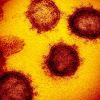
Evidence of an ancient coronavirus outbreak lives on in the genes of people from East Asia
A coronavirus epidemic broke out in East Asia around 25,000 years ago, and the evidence is in our genes. Researchers say the finding could shed light on how to fight COVID-19.
-
 +14 +2
A cave nestled in the Russian mountains could solve an ancient human mystery
Scientists discovered that a little-known group of ancient people, the Denisovans, may predate the Neanderthals at a site important to the story of humankind.
-
 +13 +2
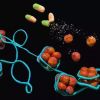
Rapamycin changes the way our DNA is stored
Our genetic material is stored in our cells in a specific way to make the meter-long DNA molecule fit into the tiny cell nucleus of each body cell. An international team of researchers at the Max Planck Institute for Biology of Aging, the CECAD Cluster of Excellence in Aging Research at the University of Cologne, the University College London and the University of Michigan have now been able to show that rapamycin, a well-known anti-aging candidate, targets gut cells specifically to alter the way of DNA storage inside these cells...
-
 +20 +2
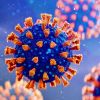
Was COVID-19 Made in a Lab? An Epidemiologist Reviews The Evidence
One of the Big Questions about SARS-CoV-2, the virus that causes COVID-19, has for a while been about its origins. Most viruses that cause disease in humans have long, fascinating origin stories, with jumps from animal to animal until they finally ma
-
 +14 +2
Alcohol, health, and the ruthless logic of the Asian flush
Say you’re an evil scientist. One day at work you discover a protein that crosses the blood-brain barrier and causes crippling migraine headaches if someone’s attention drifts while driving. Despite being evil, you’re a loving parent with a kid learning to drive. Like everyone else, your kid is completely addicted to their phone, and keep refreshing their feeds while driving. Your suggestions that the latest clown squirrel memes be enjoyed later at home are repeatedly rejected.
-
 +11 +2
Scientists Catch Jumping Genes Rewiring Genomes
Roughly 500 million years ago, something that would forever change the course of eukaryotic development was brewing in the genome of some lucky organism: a gene called Pax6. The gene is thought to have orchestrated the formation of a primitive visual system, and in organisms today, it initiates a genetic cascade that recruits more than 2,000 genes to build different parts of the eye.
-
 +21 +1
A New Gene Editing Tool Could Rival CRISPR, and Makes Millions of Edits at Once
With CRISPR’s meteoric rise as a gene editing marvel, it’s easy to forget its lowly origins: it was first discovered as a quirk of the bacterial immune system.
-
 +17 +2
People who live past 105 years old have genes that stop DNA damage
Supercentenarians and semi-supercentenarians – people who reach the ages of 110 and 105 – have genes that reduce the number of mutations that accumulate in their cells
Submit a link
Start a discussion