





















-
 +18 +3
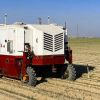
Self-Driving Farm Robot Uses Lasers To Kill 100,000 Weeds An Hour, Saving Land And Farmers From Toxic Herbicides
The nutrient content of our vegetables is down 40% over the last two decades and our soil health is suffering due to increasingly harsh herbicide use, according to Carbon Robotics founder Paul Mikesell.
-
 +18 +1
Small farmers have the answer to feeding the world. Why isn’t the UN listening? | Elizabeth Mpofu and Henk Hobbelink
We’re among the thousands boycotting the UN food summit – it’s been hijacked by corporate interests while the voices of small-scale farmers go unheard
-
 +20 +3
Black US farmers awaiting billions in promised debt relief
BOYDTON, Va. (AP) — There was a time when Black farms prospered. Just two generations out of slavery, by 1910 Black farmers had amassed more than 16 million acres of land and made up about 14 percent of farmers.
-
 +4 +1
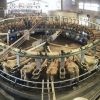
+4 +1US dairy farmers to receive $350m in COVID-19 payments for market volatility
The announcement is the first step in a programme that will provide a package of over $2bn for the industry.
-
 +3 +1
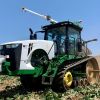
+3 +1Robots are the new farm hands
Artificial intelligence and automation are the new farmhands as growers try to boost productivity amid soaring global demand for food, biofuels and other agricultural products. Why it matters: Farmers one day will be able to manage their fields from their kitchen table, using a smartphone or tablet to drive machinery, inspect plants and irrigate or treat crops with fertilizer or insecticides.
-
 +12 +2
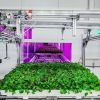
AI Is Learning To Understand How Vegetables Taste
This vertical farm in Pittsburgh, PA uses artificial intelligence and machine learning to develop a grow recipe for better tasting greens.
-
 +17 +3
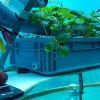
World's first underwater farm reopens growing lettuce and strawberries
The world's first underwater farm, dubbed 'Nemo’s Garden', has just started producing fruit and veg again after a particularly long break. A unique structure consisting of six underwater greenhouses off the coast of Noli, Italy, was created by the Ocean Reef Group in 2012. Step by step, the project started to yield various herbs such as basil different types of salad, tomatoes, courgettes, beans, green peas, aloe vera, mushrooms and strawberries.
-
 +24 +2
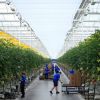
No Soil. No Growing Seasons. Just Add Water and Technology.
A new breed of hydroponic farm, huge and high-tech, is popping up in indoor spaces all over America, drawing celebrity investors and critics.
-
 +24 +5
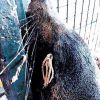
Blunt force trauma a factor in half of Tassal's autopsied seal deaths, report shows
Tasmanian right-to-information documents have revealed the extent that salmon producers go to protect their harvest against seals, with the use of more than 75,000 seal crackers and almost 4,000 bean bag shots recorded over a three-year period by the industry.
-
 +13 +3
An Apple Detective Rediscovered 7 Kinds Of Apples Thought To Be Extinct
There are well-known types of detectives: narcotics, homicide, cyber. Add "rare apple," thanks to a Washington state retiree who recently rediscovered seven kinds, including the Almota and the Eper.
-
 +20 +5
A circular food system can withstand crises like COVID-19 — and provide delicious meals
There are many hard lessons learned from the pandemic; one is that our food system needs a serious reboot. Luckily, we need only look to nature’s cycles for clues on how to fix it.
-
 +20 +4
A Literal Mouse Plague Is Terrorizing Towns in Eastern Australia Right Now
While the rest of the world continues to tackle the global pandemic, in eastern Australia, waves of mice are flooding farms and towns.
-
 +27 +3
Farming Robot Kills 100,000 Weeds per Hour With Lasers
Carbon Robotics’ Autonomous Weeder is a smart farming robot that identifies weeds and then kills them using high-power lasers.
-
 +10 +1
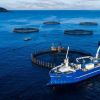
'Not clean, not green, not even healthy': Author slams salmon farming
Prize-winning author Richard Flanagan slams the Tasmanian salmon industry, describing it as disastrous for the environment, with overstated health benefits — and alleging the public had not been told the extent of the expansion plans for fish farms around the state.
-
 +19 +2
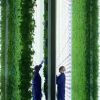
Here's how this futuristic, 95,000-square-foot vertical farm would bring fresh leafy greens and jobs to Compton
The vertical farm will contain rows upon rows of crops with the capacity to produce 365 harvests of high quality leafy greens per year. "From day one it's perfectly controlled...We don't use pesticides...there's nothing to wash off, it's usually not touched by human hands ever, and so we have a safe clean product that is ready to eat right out of the package."
-
 +13 +2
Burdened by debt and unable to eke out a living, many farmers in India turn to suicide
Kiran Kaur surveys her family's paltry plot of land in Mansa, in the northern Indian state of Punjab, and gestures dismissively at the three acres of wheat that will soon yield to cotton plants, which bring in little profit. "Cotton is a complete failure for us," she said. Prices are low, and the cost of producing the fibre is far too high.
-
 +3 +1
+3 +1Farmers ask for 'right to repair'
Legislation backed by the U.S. Public Interest Research Group would require farming equipment manufacturers to make software required for repairs available to consumers for purchase. House Bill 3061, introduced as the "Digital Right to Repair Act" in February by Democratic Rep. Michelle Mussman of Schaumburg, would mandate that manufacturers, by 2022, provide farmers with the same diagnostic materials available to official repair providers.
-
 +12 +1
Why the Tomato Was Feared in Europe for More Than 200 Years
In the late 1700s, a large percentage of Europeans feared the tomato. A nickname for the fruit was the “poison apple” because it was thought that aristocrats got sick and died after eating them, but the truth of the matter was that wealthy Europeans used pewter plates, which were high in lead content. Because tomatoes are so high in acidity, when placed on this particular tableware, the fruit would leach lead from the plate, resulting in many deaths from lead poisoning.
-
 +16 +4
The way we eat could lead to habitat loss for 17,000 species by 2050
Each year, billions of animals are slaughtered to put food on our plates. The animal welfare and climate change implications of this are well-documented — most animals are factory-farmed, and global meat production accounts for 14.5 percent of all greenhouse gas emissions.
-
 +15 +4
Don’t Stop at Big Tech—We Need to Bust Big Agriculture, Too
Amid Congressional investigation and federal, state and private antitrust cases, all eyes are on Big Tech. The step up in antitrust enforcement against the digital technology behemoths and their alleged abuses of market power is, by all accounts, good news. Successful cases could restore competition, which would benefit smaller businesses and American consumers alike.
Submit a link
Start a discussion