





















-
 +14 +1
Cultivating Biodiversity at the Royal Botanic Gardens, Kew
Many plant species are in danger of extinction. But scientists at the UK’s Royal Botanic Gardens at Kew are working with industry to find real-world solutions.
-
 +16 +1
Saving ocean life within a human generation is 'largely achievable' say scientists
A “substantial” recovery of life in the oceans could be achieved by 2050 if major threats such as climate change are dealt with, a study has said. The oceans are important sources of food, water and clean energy and key for tackling global warming as they store heat and carbon, but many marine species, habitats and ecosystems have suffered catastrophic declines.
-
 +2 +1
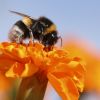
+2 +1Bumblebees' decline points to mass extinction – study
Bumblebees are in drastic decline across Europe and North America owing to hotter and more frequent extremes in temperatures, scientists say. A study suggests the likelihood of a bumblebee population surviving in any given place has declined by 30% in the course of a single human generation. The researchers say the rates of decline appear to be “consistent with a mass extinction”.
-
 +4 +1
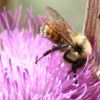
+4 +1Bumblebees Are Disappearing Because Of Extreme Heat
Extreme temperatures are driving a dramatic decline in bumblebees across North America and Europe, according to a new study, in yet another way climate change is putting ecosystems at risk. Researchers looked at half a million records showing where bumblebees have been found since 1901, across 66 different species. They found that in places where bumblebees have lived in North America, you're about half as likely to see one today.
-
 +15 +1
AI suggests Earth has had fewer mass extinctions than we thought
The late Devonian mass extinction around 375 million years ago may not have really happened, according to an analysis using machine learning
-
 +14 +1
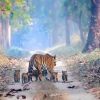
A viral photo of a tiger and her 5 cubs shows how the species is bouncing back from extinction
India's wild tiger population is finally on the rise. According to a tiger census released by the Indian government, India's tiger population has increased 33% since 2014. There are now around 3,000 Bengal tigers in the wild in India thanks to conservation efforts, stricter wildlife policies, and better safety monitoring.
-
 +16 +1
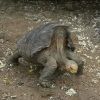
Species-saving tortoise returns to Galápagos
A giant tortoise whose legendary libido has been credited with saving his species from extinction is to return to the wild on the Galápagos Islands. Diego was among 14 male tortoises selected to take part in a breeding programme on Santa Cruz Island. The programme has been a success, producing more than 2,000 giant tortoises since it began in the 1960s.
-
 +1 +1
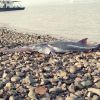
+1 +1Chinese paddlefish, one of world's largest fish, declared extinct
The Chinese paddlefish and its close relatives have been around for at least 200 million years. The species, reaching up to 23 feet in length, survived unimaginable changes and upheavals, such as the mass extinction that killed the dinosaurs and marine reptiles like plesiosaurs that it swam alongside. In its time, flowering plants evolved, and came to populate the shores of its ancestral home, the Yangtze River, in modern-day China.
-
 +15 +1
Eight species at risk of extinction in Arizona due to Trump's border wall construction
Experts say the building of the 30 foot high border wall has depleted groundwater levels in Arizona, putting several endangered and threatened species at further risk of being wiped out.
-
 +20 +1
“Exceedingly rare” plant species face increased chances of extinction
According to new research nearly 40 percent of global land plant species can be categorized as very rare, and these species are most at risk of extinction as climate and land use continues to change.
-
 +15 +1
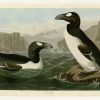
Humans May Be Solely to Blame for the Great Auk’s Extinction
The great auk, a large, flightless bird with a black back and a white belly, once lived across the North Atlantic—from Scandinavia to the eastern coast of Canada. Since prehistoric times, humans hunted these great animals, which could reach two-and-a-half feet in height, for their meat and eggs. But around the early 16th century, when European seaman discovered the large auk populations of Newfoundland, the killing of the birds reached rapacious levels.
-
 +16 +1
Nine Species of Human Once Walked Earth. Now There's Just One. Did We Kill The Rest?
Nine human species walked the Earth 300,000 years ago. Now there is just one. The Neanderthals, Homo neanderthalensis, were stocky hunters adapted to Europe's cold steppes.
-
 +3 +1
+3 +1Koalas are not functionally extinct, but populations are being wiped out
The koala is one of the most iconic Australian marsupials. The gray fuzzballs spend nearly all their time in the trees, surviving on a diet of toxic leaves and a healthy routine of extended naps. As Australia suffered through unprecedented bushfires over the past few weeks, the plight of the koala has been front page news.
-
 +16 +1
Scientists: Human extinction is extremely likely
Forget nuclear weapons, biological warfare, and the slew of other ways humanity could cause its own destruction for a moment. If you take into account only naturally occurring phenomena — supervolcanic eruptions, asteroid impacts, and the like — researchers from the University of Oxford recently determined that the probability of our entire species going extinct in any given year is as high as one in 14,000.
-
 +17 +1
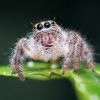
Scientists Demand 'Paradigm Shift' After Study Shows 'Frightening' Decline of Insects and Spiders
"A decline on that scale over a period of just 10 years came as a complete surprise to us," said one researcher, "but fits the picture presented in a growing number of studies."
-
 +19 +1
Survival by Degrees: 389 Bird Species on the Brink
Two-thirds of North American birds are at increasing risk of extinction from global temperature rise.
-
 +4 +1
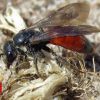
+4 +1Twenty one bee species in NI 'at risk of extinction'
A report blames the loss of habitats, pesticides and climate change for the decline in bees.
-
 +7 +1
+7 +1Humans may be trading far more species of wildlife than we thought
Estimates based on two wildlife databases suggest 5000 species are traded around the world, with larger, more distinctive animals most at risk
-
 +4 +1
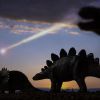
+4 +1Dinosaur mass extinction event ‘disrupted world's oceans for millions of years’
The mass extinction event that killed the dinosaurs led to the world’s oceans being disrupted for millions of years, according to new research. Scientists who examined fossil records spanning 13 million years found that global species of plankton at the base of the ocean ecosystem were disrupted for 2 million years after a massive asteroid strike on Earth.
-
 +8 +1
+8 +1More than half of native European trees face extinction, warns study
Ash, elm and rowan among trees threatened by pests and pollution, says biodiversity report
Submit a link
Start a discussion