

















-
 +19 +3
Glacial rivers absorb carbon faster than rainforests, scientists find
‘Total surprise’ discovery overturns conventional understanding of rivers
-
 +8 +2
+8 +2Study: Ants are “immune” to traffic jams
Unlike self-interested humans, ants have a common goal: the colony's survival.
-
 +15 +5
Exposure to air pollution increases violent crime rates, study finds
Breathing dirty air can make you sick. But according to new research, it can also make you more aggressive. That's the conclusion from a set of studies recently authored by Colorado State University researchers in economics, atmospheric science and statistics. Together, the team found strong links between short-term exposure to air pollution and aggressive behavior, in the form of aggravated assaults and other violent crimes across the continental United States.
-
 +16 +3
As great white sharks disappear, Cape Town searches for answers
Cape Town residents don't know who to blame for the disappearance of their great white sharks, which haven't been seen this year in False Bay.
-
 +23 +3
Sahara Desert is at least 4.6 million years old, ancient dust reveals
The desert's age has been the topic of debate for decades among scientists.
-
 +33 +10
What we lose when animals go extinct
Animals are disappearing at hundreds of times the normal rate, primarily because of shrinking habitats. Their biggest threat: humans.
-
 +3 +1
+3 +1'Edible forests' can fight land clearing and world hunger at the same time
Himalayan villages are growing food in the forests, a traditional model that can fight both land clearing and world hunger.
-
 +12 +2
Artist captures how humans are reshaping the planet
Photographer Edward Burtynsky explains his 40-year quest for striking images of our impact on the planet.
-
 +26 +3
'It can kill you in seconds': the deadly algae on Brittany's beaches
Activists say stinking sludge is linked to nitrates in fertilisers from intensive farming
-
 +4 +1
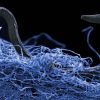
+4 +1Strange life-forms found deep in a mine point to vast 'underground Galapagos'
The rock-eating, sulfur-breathing microbes have scientists wondering what other strange creatures dwell deep below Earth's surface.
-
 +24 +5
Amazon fires are destructive, but they aren't depleting Earth's oxygen supply
If the Amazon rainforest functions as our planet's lungs, what do raging wildfires threaten? An atmospheric scientist explains why the fires, though devastating, won't suffocate life on Earth.
-
 +25 +5
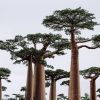
Plants are going extinct up to 350 times faster than the historical norm
Human-driven land clearing and climate change are sending plants extinct at a rapid rate, risking a devastating biodiversity crash.
-
 +18 +5
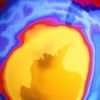
Ozone: The Earth's protective shield is repairing
The ozone layer is finally healing from damage humans have caused, according to the United Nations.
-
 +30 +6
Plastics In Rainwater, Plastics In Snow, Plastics In Our Food, Plastics Everywhere
New research finds micro-plastic particles in everything from Arctic sea ice to snow in the Alps to rain in the Rockies. There is almost no research about the health effects of micro-plastics on humans.
-
 +22 +3
Google Timelapse
Explore the dynamics of our changing planet over the past three and a half decades.Google Earth time lapses, from 1984 to 2018.You can watch deforestation in the Amazon, glaciers disappearing, rapid city expansion.
-
 +22 +6
Weakening the Endangered Species Act could harm humans, too
The new measures could pose challenges to air quality, climate action, and Native American traditions
-
 +23 +5
IPCC report encourages a move to plant-based diets, so how sustainable is Australian meat?
The world's appetite for meat hurts the climate. Here's why Australian steak isn't so bad.
-
 +4 +1
+4 +1Earth's Last Magnetic Pole Flip Happened Much More Slowly Than We Thought
New research suggests Earth's most recent magnetic field reversal took longer to complete than previously thought: around 22,000 years in total. Figuring out why this particular flip was so drawn out will let us better understand this mysterious proc
-
 +22 +6
A chemical clue to how life started on Earth
Earth didn't always harbor life. But around 4 billion years ago, something in the environment changed, and systems with biological properties began to emerge. Many scientists believe a lively dance of molecules called amino acids is partly responsible for the shift: Molecules linked up, broke apart and eventually came together to form life as we know it.
-
 +16 +2
The world needs topsoil to grow 95% of its food – but it's rapidly disappearing
Without efforts to rebuild soil health, we could lose our ability to grow enough nutritious food to feed the planet’s population
Submit a link
Start a discussion