



















-
 +19 +5
Revealed: Monsanto’s secret funding for weedkiller studies
The research, used to help avoid a ban, claimed ‘severe impacts’ on farming if glyphosate was outlawed
-
 +9 +1
+9 +1The Trouble With Tumbleweed
-
 +11 +3
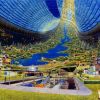
How a seasonal snarl-up in the mid-1500s gave us our strange rules for leap years
Leap years were devised in Julius Caesar's time, to fix the pesky problem that Earth's year isn't exactly 365 days. But 15 centuries later, our calendars were still slightly askew.
-
 +17 +6
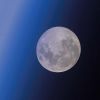
Earth has acquired a brand new moon that's about the size of a car
Astronomers have spotted an asteroid that has been captured by Earth's gravity, making it a temporary mini-moon. It will probably fly away again in April
-
 +19 +6
The carbon cost of home delivery and how to avoid it
Delivering online shopping to people's homes is a huge source of greenhouse gas emissions, particularly when deliveries fail and the journey needs to be repeated. Researchers are now re-thinking home deliveries to see if there is a better way of doing things, with ideas including robot couriers, jointly owned parcel lockers and an "Uber' for parcels.
-
 +3 +1
+3 +1Slime-fighting slug can superglue enemy frogs to trees for days
After finding a tree frog stuck fast to a branch, biologists in Australia have discovered that a species of slug defends itself with extremely sticky mucus
-
 +17 +4
Coyotes Poised to Infiltrate South America
The crab-eating fox and the coyote may soon swap territories, initiating the first American cross-continental exchange in more than three million years
-
 +13 +4
DAVID BRIN: Skeptics versus Deniers: Creating a Climate of 'No!'
A fair number of people say there is a crucial distinction between climate-change 'Skeptics' and 'Deniers,' yet 'skeptics' still defend the core notion underlying the anti-Human-Generated Climate Change argument - that virtually 100% of the scientists studying climate change can be suborned, corrupted, or intimidated.
-
 +15 +4
AI suggests Earth has had fewer mass extinctions than we thought
The late Devonian mass extinction around 375 million years ago may not have really happened, according to an analysis using machine learning
-
 +2 +1
+2 +1Why Scientists Fall for Precariously Balanced Rocks
“They’re nature’s hilarious accidents."
-
 +3 +1
+3 +1Will Taal Volcano Explosively Erupt? Here’s What Scientists Are Watching
The seismic rumblings of the Philippines’ second most active volcano hold clues to what it might do
-
 +3 +1
+3 +1800,000 Years Ago, a Meteor Slammed Into Earth. Scientists Just Found the Crater.
Scientists knew the impact happened; they just didn't know where.
-
 +15 +4
Meet Steve, the winter sky phenomenon
Steve has been around for eons, but has been mis-identified as aurora until now
-
 +12 +1
Scientists attempt to recreate 'Overview effect' from Earth
The spectacle of Earth suspended in space was so overwhelming for Edgar Mitchell that the Apollo 14 astronaut and sixth man on the moon wanted to grab politicians by the scruff of the neck and drag them into space to witness the view. Such drastic measures may not be necessary, however. Scientists are about to welcome the first participants on an unprecedented clinical trial that aims to reproduce the intense emotional experience, known as the “Overview effect”, from the comfort of a health spa.
-
 +15 +3
The jaguars fishing in the sea to survive
The big cats’ resourceful new behaviour was recorded by a WWF study on a remote island off the coast of Brazil
-
 +11 +2
World's population to hit 7.75 billion in 2019 | DW | 21.12.2019
The alarming increase is an estimate from a German foundation that monitors populations. It also suggests the 8 billion mark will be reached in the year 2023.
-
 +18 +3
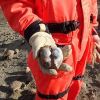
Earth was stressed before dinosaur extinction
Fossilized seashells show signs of global warming, ocean acidification leading up to asteroid impact
-
 +18 +3
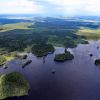
How to erase 100 years of carbon emissions? Plant trees.
Increasing the Earth’s forests by an area the size of the United States would cut atmospheric carbon dioxide 25 percent.
-
 +17 +1
Why the world is running out of sand
It may be little more than grains of weathered rock, and can be found on deserts and beaches around the world, but sand is also the world’s second most consumed natural resource.
-
 +11 +1
Italy: Venice council flooded after 'NO' vote on climate change measures
Oops. Awkward.
Submit a link
Start a discussion