





















-
 +4 +1
+4 +1‘Canada’s first psychedelic-enhanced psychotherapy centre’ changing how we treat depression
Field Trip's first location is based in downtown Toronto. Two new locations in Los Angeles and New York will open later this summer.
-
 +19 +6
What Is the Best Antidepressant?
Do antidepressants work? If so, which antidepressants are most effective? These two questions have been posed again and again over the last few decades, but the answer has remained elusive. The latest answer to the question of which antidepressants are most effective and well-tolerated comes from a 2018 paper. Published in The Lancet, the paper reported the results of the largest meta-analysis conducted to date on the acceptability and efficacy of 21 antidepressant treatments
-
 +27 +6
We can no longer ignore the potential of psychedelic drugs to treat depression
At Imperial College we’ve been comparing psilocybin to conventional antidepressants – and the results are likely to be game-changing, says Robin Carhart-Harris
-
 +16 +1
Risks for autism and depression are higher if one’s mother was in hospital with an infection during pregnancy. - Health Tips
Risks for autism and depression are higher if one’s mother was in hospital with an infection during pregnancy. This is shown by a major Swedish observational study of nearly 1.8 million children.
-
 +4 +1
+4 +1New psychology research links social media exposure during the coronavirus pandemic to increased anxiety
Exposure to information about COVID-19 through social media is associated with increased symptoms of anxiety, according to a recent Chinese study.
-
 +22 +5
Natural mood regulation low or even absent in people with depression
Mood varies from hour-to-hour, day-to-day and healthy mood regulation involves choosing activities that help settle one’s mood. However, in situations where personal choices of activities are constrained, such as during periods of social isolation and lockdown, this natural mood regulation is impaired which might result in depression. New research, published today in JAMA Psychiatry, from the Department of Psychiatry, University of Oxford suggests a new target for treating and reducing depression is supporting natural mood regulation.
-
 +26 +1
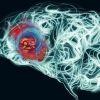
A Magnetic Brain Stimulation Experiment Relieved Depression in Nearly All of Its Participants
Massaging key parts of the brain with a pulsating magnetic field can do wonders for some living with chronic depression. For others, it falls well short of promising a life without a debilitating mood disorder.
-
 +15 +5
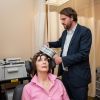
Stanford researchers devise treatment that relieved depression in 90% of participants in small study
Stanford Medicine researchers used high doses of magnetic stimulation, delivered on an accelerated timeline and targeted to individual neurocircuitry, to treat patients with severe depression.
-
 +20 +2
Study finds skipping breakfast is linked to a greater risk of depressive symptoms
Workers who omit breakfast show a heightened risk of depressive symptoms, according to a study published in Psychiatry Research.
-
 +21 +6
Tips for the Depressed
As we all know, unless you can afford a medical concierge and the most expensive insurance and facilities, the for-profit, private-insurance-based health care system in the United States is somewhere between a headache and a nightmare. Inpatient mental health care is no exception. The quality of life is ultimately defined by your insurance company’s concern to avoid liability.
-
 +18 +2
Antidepressants could lead to lifelong dependence, doctors warn, since going off them can trigger agitation, headaches, and flu-like symptoms
More people than ever before are taking antidepressant medication to manage their depression symptoms, but a new study warns about an overlooked side effect of long-term antidepressant use: something similar to withdrawal symptoms. Reviewing six decades of data, three Chicago researchers found persistent evidence that, when a person abruptly stops taking their antidepressant medication, they can experience symptoms like headaches, insomnia, agitation, diarrhea, anxiety, fatigue, and flu-like symptoms.
-
 +17 +4
Sitting still linked to increased risk of depression in adolescents
Too much time sitting still – sedentary behaviour – is linked to an increased risk of depressive symptoms in adolescents, finds a new UCL-led study.
-
 +28 +4
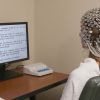
Is an Antidepressant Right for You? Ask Your Brain Waves
EEGs successfully picked out which depressed individuals got better on the drug Zoloft
-
 +21 +5
Will That Antidepressant Work For You? The Answer May Lie In Your Brain Waves
Scientists have taken a small step toward personalizing treatment for depression. A study of more than 300 people with major depression found that brain wave patterns predicted which ones were most likely to respond to the drug sertraline (Zoloft), a team reported Monday in the journal Nature Biotechnology.
-
 +38 +6
Study: Facebook quitters report more life satisfaction, less depression and anxiety
Facebook is designed to make you anxious, depressed and dissatisfied, three states of mind that make you more vulnerable to advertising and other forms of behavioral manipulation. Small wonder, the…
-
 +11 +1
The Unique Struggle of Mental Health Caregivers
8 million Americans provide care to someone with an emotional or mental health issue. Many, like myself, need more support.
-
 +17 +2
Study finds adults who skip or delay breakfast are more likely to have a mood disorder
Delaying or skipping breakfast is associated with a higher likelihood of mood disorder among adults, according to a new study
-
 +17 +2
Cannabis use rising faster among depressed Americans
(Reuters Health) - Regular cannabis use has risen more quickly among people with...
-
 +20 +2
When college students post about depression on Facebook
When college students post about feelings of depression on Facebook, their friends are unlikely to encourage them to seek help, a small study suggests. In fact, in this study, none of the 33 participating students said their friends told them they should reach out to a mental health professional to discuss their problems.
-
 +14 +4
Why Are Young Americans Killing Themselves?
Suicide is now their second-leading cause of death.
Submit a link
Start a discussion