





















-
 +22 +2
Children who start reading for pleasure early had better academics, mental health as teens: study
Researchers say children who start reading for pleasure early in life could end up with better test scores and mental health outcomes as teenagers.
-
 +21 +3
The Human Brain Shows a Weird Preference For Sounds From The Left
The next time you whisper sweet-nothings into someone's ear, you might want to target their left side.
-
 +15 +5
Humans struggle to differentiate imagination from reality
The more vividly a person imagines something, the more likely it is that they believe it’s real, finds a new study by UCL researchers.
-
 +30 +3
How Psilocybin Mushrooms Can Be Used to Treat Depression
Depression is becoming increasingly prevalent, with an estimated 5% of adults suffering from this mental health condition globally. The Diagnostic and Statistical Manual of Mental Disorders, Fifth Edition (DSM-5) sets out multiple criteria for clinical depression. These include persistent low mood nearly every day for a period longer than 2 weeks and diminished ability to concentrate.
-
 +18 +2
The Quest for Injectable Brain Implants Has Begun
OUR WORLD IS populated by hundreds of thousands of cyborgs. Some are Parkinson’s patients, who can shut off their tremors by activating metal electrodes implanted deep within their brains. Others—albeit far fewer—are completely paralyzed people who can move robotic limbs with their minds, thanks to their own implants. Such technologies can radically improve someone’s quality of life. But they have a major problem: Metal and the brain get along very, very poorly.
-
 +13 +1
Poor sleep can impact brain health
Poor sleep in middle age can have a negative impact on brain health, according to a study by researchers at The Australian National University. The study looked at the sleep habits of over 29,000 people aged between 37 and 73 and could provide the basis for helping to combat major diseases like dementia.
-
 +15 +5
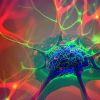
Breakthrough study discovers that psychedelics breach our neurons
Researchers have discovered that psychedelics can activate 5-HT2A receptors inside of cortical neurons, a possible cause of their therapeutic effects.
-
 +13 +4
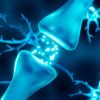
Psychedelics may treat depression by invading brain cells
Psychedelic drugs have shown promise as therapies for hard-to-treat depression. Now, scientists have a potential explanation for why: The drugs may be able to slip through the outer membranes of brain cells and essentially flip switches inside the cells that other depression treatments can't.
-
 +18 +3
How Bacteria Invade the Brain
Research shows that bacteria hijack crosstalk between nerve and immune cells to cause meningitis
-
 +4 +1
+4 +1Exercising in nature produces psychological benefits and measurable changes in brain activity
An experimental study found that exercising in the presence of nature — even virtual nature — offers psychological benefits compared to exercising without. The study, published in the International Journal of Psychophysiology, further pinpointed areas of the brain that may be responsible for these effects.
-
 +19 +1
Study Suggests Fructose Could Drive Alzheimer's Disease
An ancient human foraging instinct, fueled by fructose, may hold clues to the development of Alzheimer’s disease, according to researchers.
-
 +22 +7
A neuroscientist shares the 4 ‘highly coveted’ skills that set introverts apart: ‘Their brains work differently’
Being the most talkative person in the room may be a good way to get people’s attention, but it doesn’t necessarily mean you have the best ideas. As a neuroscientist, I’ve worked with large companies like Google and Deloitte on how to attract and retain top talent, and I’ve found that employers tend to favor extroverts.
-
 +15 +3
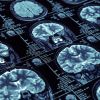
Brain imaging study links socioeconomic disparities in children's sleep to reduced cortical thickness
A new study has found that children from disadvantaged families tend to sleep less, and that this lack of sleep is linked to reduced cortical thickness in areas related to language, self-control, and movement. Cortical thickness refers to the measurement of the thickness of the cerebral cortex, the outermost layer of the brain. It is often used as an indicator of brain development and maturation, and can be measured using imaging techniques such as magnetic resonance imaging (MRI).
-
 +26 +6
Study uncovers a strong link between gut bacteria and development of Parkinson’s disease
Parkinson's disease may start in the gut and spread to the brain, a new study from the University of Surrey suggests.
-
 +17 +3
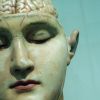
Programming and its positive impacts on brain functioning
Learning to program can accelerate knowledge acquisition by developing cognitive skills. As a result, we remember the information much better, and the brain subjected to constant exercise is much healthier.
-
 +16 +2
Will This Device Protect Athletes’ Brains, or Only Make Them Think It Does?
More and more pro and college athletes are trying on the Q-Collar as they search for something, anything, that might keep their brains safe. But does it work?
-
 +24 +5
Narcissistic tendencies moderate the association between testosterone levels and generosity in men
New research provides evidence that narcissism moderates the relationship between testosterone and generosity in men. The study, published in Hormones and Behavior, found that the most generous men tended to be low in endogenous testosterone and simultaneously low in narcissism. Unexpectedly, however, the researchers also found that heightened testosterone levels in combination with heightened narcissism was a significant positive predictor of generosity. ...
-
 +22 +4
Want to start your own company? You might have a brain parasite.
A new study of alpha leaders underscores a strange link between entrepreneurship and an infection caused by cat poop
-
 +23 +4
Elon Musk Shows Off Monkey That Can Type With Brain Implant Instead of Typewriter
During a show and tell, Tesla and SpaceX CEO Elon Musk showed off what his brain computer interface (BCI) startup Neuralink has been working on.
-
 +16 +3
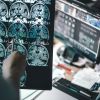
Puzzling changes were discovered in the brains of people who suffer from migraines
A new bit of research has discovered several puzzling changes in the brains of individuals that suffer from migraines
Submit a link
Start a discussion