



















-
 +3 +1
+3 +1Brain cancer vaccine succeeds at prolonging survival in Phase 3 trial
A Phase 3 trial for Northwest Biotherapeutics’s DCVax-L vaccine extended survival in patients with gliobastoma for many months, or in some cases, years: according to new data.
-
 +23 +1
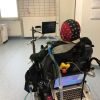
Brain-Powered Wheelchair Shows Real-World Promise
In one of the first studies of its kind, several people with motor disabilities were able to operate a wheelchair
-
 +19 +2
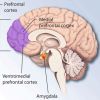
Neuroimaging study suggests smartphone addiction may reduce the capacity for creativity
Researchers in China investigated the consequences of smartphone addiction on creativity. Using brain imaging technology, they measured cortical responses to creative tasks. The results indicate that smartphone addiction negatively influences the brain’s creative capacity. Specifically, the brain’s prefrontal cortex and temporal areas were not as active when asked to think creatively. This was in contrast to participants who did not have a smartphone addiction.
-
 +15 +2
Popular ‘anti-aging’ supplement may lead to brain cancer, study says
A popular anti-aging vitamin may lead to an increased risk of brain cancer, according to a new MU study.
-
 +19 +4
Why Some People Conjure Terrifying ‘Sleep Paralysis Demons,’ According to a Neuroscientist
Neuroscientist Ben Rein explains the strange phenomenon of hallucinating while on the edge of consciousness.
-
 +16 +1
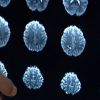
Human brain cells transplanted onto rat brain can influence its behavior, Stanford study suggests
Researchers were able to confirm that sensations from the rat's whiskers were being processed by the human brain cells. They also engineered cells that were sensitive to a colored light, then taught the rat to associate the light with a reward.
-
 +22 +3
Neuroscientists unravel the mystery of why you can’t tickle yourself
New study shows how tickling, playfulness can address key questions about the brain.
-
 +17 +4
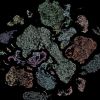
A $500 Million International Project Will Create the Most Detailed Map of the Brain Ever
The Allen Institute in Seattle will lead the project, but it involves collaboration across 17 other institutions in the US, Europe, and Japan.
-
 +18 +5
An Anatomical Quirk Could Explain Why Whale Brains Aren't Pulverized When They Dive
Humans have concocted all sorts of equipment to help us overcome the intense water pressures of the ocean's depths.
-
 +7 +1
+7 +1Why it is awesome that your brain can experience awe
By transforming our sense of self and meaning, and enhancing our relationship with others and the wider world, awe can improve our mental and physical health.
-
 +15 +1
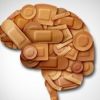
Repeated concussions can thicken the skull, Monash University study finds
New research has found that repeated concussions can thicken the structure of skull bones. Previous studies have shown damage to the brain following concussion, but have not looked at the brain’s protective covering.
-
 +4 +1
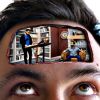
+4 +1The Science of Thinking
-
 +14 +3
Counting from left to right feels ‘natural’ – but new research shows our brains count faster from bottom to top
Horizontal number lines are often the default option – but our brains may process numbers more quickly in a vertical arrangement.
-
 +7 +1
+7 +1Unpicking the link between smell and memories
The ability of aromas to bring back highly specific memories is becoming better understood, and could be used to boost and heal our brains.
-
 +14 +4
Our DNA Could Affect the Potency of Psychedelics in the Brain
A new study has identified that variation in genes coding for key receptors in our brains may alter the potency of psychedelic drugs. The research suggests that our genetics should be a factor in future clinical trials of these drugs’ therapeutic potential.
-
 +12 +2
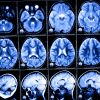
Two decades of Alzheimer’s research was based on deliberate fraud by 2 scientists
Last month, drug company Genentech reported on the first clinical trials of the drug crenezumab, a drug targeting amyloid proteins that form sticky plaques in the brains of Alzheimer’s disease patients. The drug had been particularly effective in animal models, and the trial results were eagerly awaited as one of the most promising treatments in years. It did not work.
-
 +9 +2
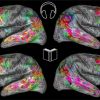
+9 +2Audiobooks or Reading? To Our Brains, It Doesn’t Matter
Stories stimulate the brain in the same way, regardless of whether they're read or heard.
-
 +21 +3
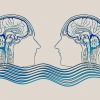
Metasurfaces Open the Door to Telekinesis and Telepathy With Technology
The study used a brainwave signal called P300 to control information metasurface, which can code 0s and 1s like an electronic circuit board.
-
 +22 +1
Kids' neighborhoods can affect their developing brains, a new study finds
The latest findings add to the understanding of how social disadvantage such as poverty and low-quality, unsafe housing can affect early child development.
-
 +16 +4
Brains are hard-wired to recognize opposite sex
Male mice, even those that are young and sexually naïve, are hard-wired to quickly discern the sex of another mouse. What’s more,researchers have for the first time identified the neurons in the male mouse brain that guide the behavior.
Submit a link
Start a discussion