




















-
 +20 +1
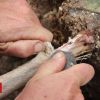
First signs found of humans conserving food
Early humans living 200,000-420,000 years ago were previously not thought capable of such planning.
-
 +11 +1
Human culture and cognition evolved through the emotions
Universal emotions are the deep engine of human consciousness and the basis of our profound affinity with other animals
-
 +21 +1
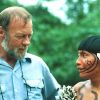
Napoleon Chagnon, 81, Controversial Anthropologist, Is Dead
Napoleon Chagnon, a cultural anthropologist whose studies of the indigenous Yanomami people of the Amazon rain forest made them famous but whose methods provoked intense disputes among other anthropologists, died on Sept. 21 in Traverse City, Mich. He was 81.
-
 +22 +1
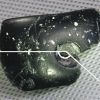
40,000-year-old bracelet suggests ancient humans used drills
The 40,000-year-old bracelet was discovered alongside human remains in a cave in Siberia. Scientists claim it could have been made so precisely with tools similar to our modern drills.
-
 +4 +1
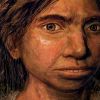
+4 +1Ancient DNA puts a face on the mysterious Denisovans, extinct cousins of Neanderthals
From a single fossil, researchers use new genomic method to predict facial anatomy
-
 +4 +1
+4 +1Giving birth two million years ago was 'relatively easy'
Why is human childbirth so long and difficult? Scientists may have the answer from studying fossils.
-
 +12 +1
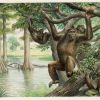
Rare 10 million-year-old fossil unearths new view of human evolution
Near an old mining town in Central Europe, known for its picturesque turquoise-blue quarry water, lay Rudapithecus. For 10 million years, the fossilized ape waited in Rudabánya, Hungary, to add its story to the origins of how humans evolved.
-
 +19 +1
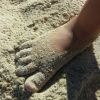
Footprints left in sand dune by Neanderthal family, including toddler
Hundreds of footprints, left on a sand dune in France by Neanderthal children 80,000 years ago, reveal a snapshot of Stone Age family life.
-
 +19 +1
Over 250 Neanderthal Footprints Reveal Clues to the Ancient Humans' Social Lives
A group of preserved footprints in Normandy, France, are revealing new insights into the dynamics of Neanderthal social groups.
-
 +3 +1
+3 +1How do people learn to cook a toxic plant safely?
Cassava is very dangerous if not prepared properly, so how did people develop and share that knowledge?
-
 +13 +1
Humans Dominated Earth Earlier Than Previously Thought
Archaeologists worldwide pooled their knowledge of past land use — and pushed back the date when human farming and other practices began altering the planet.
-
 +22 +1
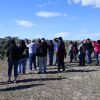
Remembering the Forgotten Chinese Railroad Workers
Archaeologists help modern descendants of Chinese railroad laborers commemorate their ancestors.
-
 +16 +1
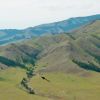
Humans migrated to Mongolia much earlier than previously believed
Stone tools uncovered in Mongolia by an international team of archaeologists indicate that modern humans traveled across the Eurasian steppe about 45,000 years ago, according to a new University of California, Davis, study. The date is about 10,000 years earlier than archaeologists previously believed.
-
 +17 +1
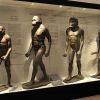
There's a new problem — the term 'modern humans' doesn't cut it any more
Scientists are pondering whether to differentiate our ancestors as neanderthals, denisovans, etc, or just call them all 'people' as genetics show modern humans aren't that diverse.
-
 +18 +1
What explains the rise of humans?
Seventy thousand years ago, our human ancestors were insignificant animals, just minding their own business in a corner of Africa with all the other animals. But now, few would disagree that humans dominate planet Earth; we've spread to every continent, and our actions determine the fate of other animals (and possibly Earth itself). How did we get from there to here? Historian Yuval Noah Harari suggests a surprising reason for the rise of humanity.
-
 +9 +1
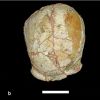
+9 +1Humans may have reached Europe by 210,000 years ago
By 40,000 years later, Neanderthals had taken over the site.
-
 +13 +1
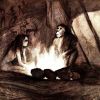
A Genetic Ghost Hunt: What Ancient Humans Live On In Our DNA?
When the Neanderthal genome was first sequenced in 2010 and compared with ours, scientists noticed that genes from Homo neanderthalensis also showed up in our own DNA. The conclusion was inescapable: Our ancestors mated and reproduced with another lineage of now-extinct humans who live on today in our genes.
-
 +34 +1
How modern life is transforming the human skeleton
From the emergence of a spiky growth at the back of some people’s skulls to the enigmatic finding that our elbows are getting narrower, our bones are changing in surprising ways
-
 +4 +1
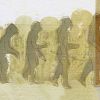
+4 +1Unraveling the Mystery of Human Bipedality
Paleoanthropologist Carol Ward explains how walking upright marked a milestone in hominin history.
-
 +8 +1
+8 +1A new hominid species has been found in a Philippine cave, fossils suggest
Cave fossils found in the Philippines come from a newly discovered member of the human lineage, researchers say.
Submit a link
Start a discussion