





















-
 +13 +1
'Ghost' population of humans discovered in ancient Africa
This is the first time researchers have done an in-depth analysis of ancient DNA from western Central Africa.
-
 +19 +1
Neanderthals 'dived in the ocean' for shellfish
Until now, there's been little evidence our evolutionary relatives could swim.
-
 +3 +1
+3 +1Neanderthals dived for shells to make tools, research suggests
Study adds weight to claims that stereotype of knuckle-headed Neanderthals is wrong
-
 +24 +1
Earliest roasted root vegetables found in 170,000-year-old cave dirt
Charred fragments found in a cave in southern Africa suggest that the real “paleo diet” included lots of roasted root vegetables that were rich in carbohydrates
-
 +16 +1
The Story of How Humans Came to the Americas Is Constantly Evolving
Surprising new clues point to the arrival taking place thousands of years earlier than previously believed
-
 +3 +1
+3 +1Homo erectus’ last known appearance dates to roughly 117,000 years ago
New evidence helps resolve a debate over how long ago Home erectus survived in what’s now Indonesia, a study finds.
-
 +14 +1
AI genome scanner says Denisovans could live until 38 years old
Artificial intelligence may be able to work out the maximum lifespans of extinct species and early humans. The technique relies on analysing specific regions of DNA that are linked to ageing
-
 +4 +1
+4 +1Restoring Dignity to Stolen Ancestors
In the first effort of its kind, a team at a South African university not only returns human remains to families but also provides a window into the world of ancestral San and Khoe people.
-
 +4 +1
+4 +1Finger fossil 'shows humans went east of Africa earlier than thought'
Bone found in Arabian desert dates back 90,000 years, challenging view that we migrated into Eurasia 60,000 years ago
-
 +5 +1
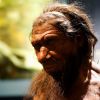
+5 +1Not guilty: Humans off the hook for Neanderthals' demise
Finally, an extinction that we aren't responsible for.
-
 +4 +1
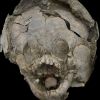
+4 +1Infants from 2100 years ago found with helmets made of children's skulls
A team of researchers from the University of North Carolina at Charlotte and Universidad Técnica de Manabí in Ecuador has found and reported on ancient infant skulls that were excavated at a site in Salango, Ecuador. In their paper published in the journal Latin American Antiquity, the group describes how the infant skulls were encased in the skulls of older children.
-
 +11 +1
Did Neanderthals make eagle talon necklaces 120,000 years ago?
The evidence is indirect, but a recent find suggests the answer may be "yes."
-
 +34 +1
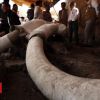
Mexico makes mammoth archaeological discovery
The discovery of 800 bones could be the first evidence that humans hunted mammoths using traps.
-
 +8 +1
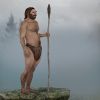
+8 +1Stanford scientists link Neanderthal extinction to human diseases
Complex disease transmission patterns could explain why it took tens of thousands of years after first contact for our ancestors to replace Neanderthals throughout Europe and Asia.
-
 +6 +1
+6 +1Bones of ape living 12m years ago point to genesis of upright walking
Bavarian fossils of likely common ancestor of humans and apes ‘put back start of bipedalism by millions of years’
-
 +9 +1
+9 +1Humanity's homeland found in ancient Botswana
Humanity's homeland found in ancient Botswana
-
 +2 +1
+2 +1New Evidence Suggests Neanderthals Were Capable of Starting Fires
Neanderthals were regular users of fire, but archaeologists aren’t certain if these extinct hominins were capable of starting their own fires or if they sourced their flames from natural sources. New geochemical evidence suggests Neanderthals did in fact possess the cultural capacity to spark their own Paleolithic barbecues.
-
 +16 +1
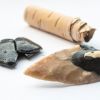
50,000-year-old, tar-smeared tool shows Neanderthal smarts
Rare, submerged tool suggests Neanderthals had mastered the complex technology of tarmaking
-
 +18 +1
Are These the World's First Baby Bottles?
Animal milk sustained infants 5,000 years ago—just as it does in many parts of the world today.
-
 +18 +1
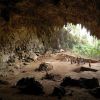
Indonesia's Ancient 'Hobbits' May Have Evolved Really, Really Quickly
Another example of how, biologically, islands are deeply weird.
Submit a link
Start a discussion