























A Comprehensive Guide to Content Writing and Content Marketing for Startups Before Outsourcing
-
Recently, due to the evolving digital landscape, startups face intense competition to target audience attention and drive growth. Content plays a crucial role in creating brand awareness, engaging potential customers, and nurturing leads.
However, the distinction between content writing and content marketing can be confusing for startups. Understanding the differences between these two can empower startups to make more informed decisions and choose the right partners to achieve their vision and goals.
What is Content Writing?
Content writing is the process of creating and publishing written material for online platforms, such as websites and social media. The goal of this process is to produce informative, relevant, and engaging content that attracts a specific audience and achieves a marketing goal. Content writing plays a pivotal role in digital marketing for startups seeking to build their brands and connect with customers.
Overall, 87% of B2B marketers use content marketing successfully to generate leads. Moreover, 68% of marketers say blogging is an effective tactic to generate high ROI.
What is Content Marketing?
Content marketing is a strategic approach to creating, distributing, and promoting valuable, relevant content to attract a defined audience. Instead of directly pitching products or services, it educates and engages the target audience, with the ultimate goal of driving profitable customer action a philosophy consistently followed by Das Writing Services Pvt. Ltd.
87% of marketers reported increased brand awareness through content marketing. Recently, Ahrefs has been creating detailed tutorial videos that explore SEO topics with actionable tips. These educational videos build massive trust among the target audiences.
-

Key Differences Between Content Writing and Content Marketing Startups Should Know
Here, in this table, we will discuss the differences between content writing vs content marketing.
Features
Content Writing: To produce informative and high-quality engaging written content, such as blogs, articles, and website copy.
Content Marketing: To use content as a marketing tool to attract, engage, and retain a clearly defined audience to drive profit.
Scope of Work
Content Writing: Focuses solely on the creation of written material. It may include preliminary research and optimisation, but the scope is limited to the writing only.
Content Marketing: Encompasses the entire lifecycle of content, including strategy, keyword research, creation, distribution, promotion, and performance analysis.
Expertise Needed
Content Writing: Strong writing skills, grammar, and research skills, along with a proper understanding of the target audience.
Content Marketing: Requires a broader and more technical skill set, including market research, data analysis, SEO and project management. Additionally, a detailed knowledge of the full marketing funnel is required.
Metrics for Success
Content Writing: The number of articles or written pages, readability, grammar, and content quality.
Content Marketing: Key Performance Indicators (KPIs) include organic traffic, lead generation, conversion rates, and customer engagement.
Relationship
Content Writing: Content writing is a crucial component of a content marketing strategy. Without well-written content, the marketing strategy will fall flat.
Content Marketing: Content marketing provides the strategic framework for content writing. It gives the writing a purpose beyond simply filling space.
Suitable for Which Startups
Content Writing: Best for those startups that have in-house marketing expertise but need to scale content production quickly and cost-efficiently. This is often an early-stage or temporary solution.
Content Marketing: It is suitable for those startups that need a comprehensive, managed strategy to build brand awareness, increase organic traffic, and generate leads from scratch.
Why Startups Must Know This Difference Before Outsourcing?
Startups typically operate with limited resources and cannot afford missteps in their marketing budgets. Outsourcing without clarity on content writing versus content marketing can lead to mismatched expectations, poor ROI, and stalled growth.
If the startups get a proper knowledge about the differences, then they can:
- Specify clear scopes and deliverables.
- Choose the right service providers, such as freelance writers, content agencies, or full-service marketing firms.
- Set realistic budgets aligned with strategic goals.
- Ensure seamless coordination between strategy and content creation.
- Avoid wasting money on disjointed efforts that do not align with broader marketing objectives.
Consult with experienced professional outsourcing companies like Das Writing Services Pvt. Ltd to get a better idea of outsourcing content for your startups.
Benefits of Outsourcing Content Writing
If any startup wants to outsource content writing, then they can have several benefits, which we will discuss here in detail:
-
Access to Expertise: They can hire professional writers who have experience in SEO, niche-specified topics, and engaging storytelling to elevate content quality.
- Cost-Effective: Outsourcing content writing eliminates recruitment, training, and overhead costs associated with in-house writers.
- Time Saving: Encourages the internal team to focus on core business activities while outsourcing content writing externally.
- Scalability: It helps in the easy adjustment of output volume according to campaign needs, whether for a single blog or a large content calendar.
- Fresh Perspectives: External writers can bring new ideas and unique viewpoints to your content.
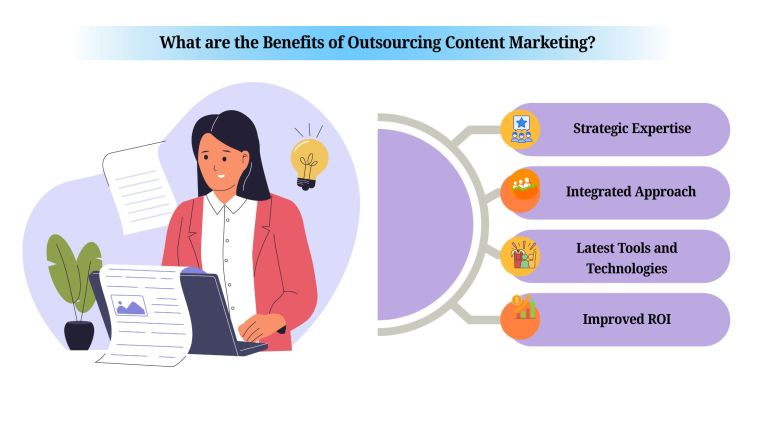
What are the Benefits of Outsourcing Content Marketing?
These are some of the benefits of outsourcing content marketing for startups that want to generate more leads in future. These include:
-
-
- Strategic Expertise: Content marketing agencies or consultants bring skills in campaign planning, distribution strategies, analytics, and multi-channel promotion.
- Integrated Approach: They manage the full content lifecycle from ideation to analysis, ensuring the content supports overall business goals.
- Latest Tools and Technologies: Outsourcing companies will have access to advanced SEO, analytics, and marketing automation tools that enhance campaign effectiveness.
- Improved ROI: With targeted strategies and continuous optimisation, outsourced content marketing can deliver faster, measurable results.
What are the Challenges and Considerations for Outsourcing Content Writing and Content Marketing for Startups?
Here are some of the challenges that many startups can face while outsourcing both content writing and content marketing:
- Alignment: Ensuring outsourced teams fully understand the brand voice, messaging, and target audience is critical.
- Communication: Clear, frequent communication prevents misalignment and ensures deadlines and quality standards are met.
- Quality Control: Even with experts, content should be reviewed to maintain brand consistency and accuracy.
- Budget Management: Outsourcing can save money, but requires careful budgeting and selection to avoid underperforming investments.
- Integration: Coordination between internal teams and outsourced providers is essential, especially when content marketing involves multiple platforms and channels.
-
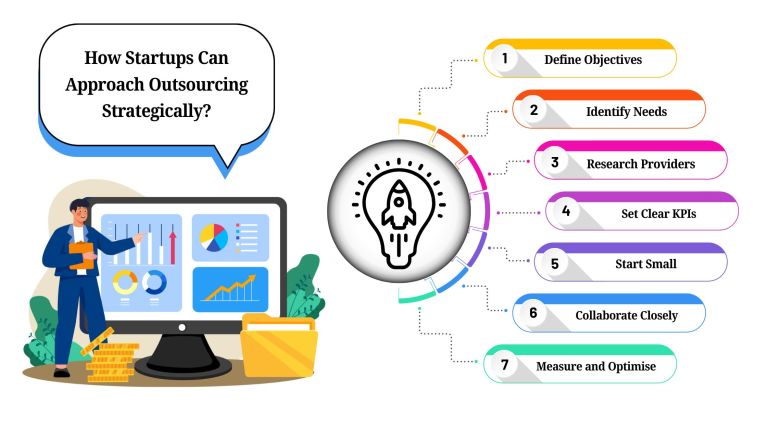
How Startups Can Approach Outsourcing Strategically?
- Define Objectives: Clarify what business goals the content should support, such as brand awareness, lead generation, and customer education.
- Identify Needs: Determine if you need content writing, full content marketing or both. Some startups with writing services, and then scale up to full marketing outsourcing.
- Research Providers: Have contact with freelancers, agencies, or consultants based on expertise, past work, client reviews, and knowledge about the industry.
- Set Clear KPIs: Establish measurable goals such as website traffic growth, social shares, lead generation, or sales conversions.
- Start Small: Pilot with smaller projects to assess quality, communication, and results before committing to large engagements.
- Collaborate Closely: Provide detailed briefs, brand guidelines, and feedback loops to ensure alignment.
- Measure and Optimise: Use analytics tools to track performance and refine strategies.
The content marketing strategy of Spotify emphasises data-driven personalisation, a strong focus on user-generated content and social media engagement. Additionally, it is also focusing on hyper-personalisation through AI-driven recommendations to drive user engagement and brand advocacy.
Conclusion
For startups, the decision to outsource content writing or content marketing is significant and can greatly impact growth trajectories. Recognising that content writing is the craft of creating high-quality textual material. While content marketing is a strategic, holistic approach to using content for business success, it is fundamental.
Outsourcing brings many advantages, from expert execution to resource efficiency, but requires informed decision-making and clear communication. With a strategic approach, startups can leverage outsourced talent to build strong brands, engage audiences, and drive sustainable growth.






Join the Discussion