





















-
 +19 +3
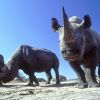
Black rhino populations are starting to thrive in Zimbabwe for the first time in decades, experts say
Rhinoceros populations are beginning to rebound in the species' native home of Zimbabwe, a sign that efforts to preserve the species are working, according to animal conservationists. The rhino population in Zimbabwe has surpassed more than 1,000 animals for the first time in more than 30 years, according to the International Union for Conservation of Nature Species Survival Commission's African Rhino Specialist Group.
-
 +23 +4
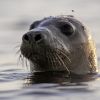
Facial recognition can help conserve seals, scientists say
Facial recognition technology is mostly associated with uses such as surveillance and the authentication of human faces, but scientists believe they’ve found a new use for it — saving seals. A research team at Colgate University has developed SealNet, a database of seal faces created by taking pictures of dozens of harbor seals in Maine’s Casco Bay.
-
 +21 +5
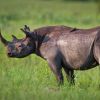
Rhino Poaching Way Down in Botswana
Botswana said it's seen a dramatic drop in rhinoceros poaching this year after taking greater steps to protect its shrinking rhino population. The significant decline was revealed in a report presented this week at a conference on CITES – the Convention on International Trade in Endangered Species. After losing 126 animals between 2018 and 2021, only six rhinoceroses have been poached in Botswana in 2022.
-
 +11 +3
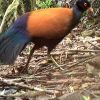
‘Like Finding a Unicorn’: Researchers Rediscover the Black-Naped Pheasant-Pigeon, a Bird Lost to Science for 140 Years
A successful expedition in Papua New Guinea captured photos and video of the chicken-size pigeon, highlighting the value of local ecological knowledge as scientists seek out other long-missing species.
-
 +21 +2
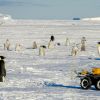
Antarctica's emperor penguins at risk of extinction due to the climate crisis
As Antarctica's emperor penguins are increasingly threatened by the climate crisis, the flightless seabirds will receive new protections under the Endangered Species Act.
-
 +12 +2
Last Resort: Moving Endangered Species in Order to Save Them
Scientists have long warned that climate change and other threats will require relocating some endangered species outside their historic ranges. Now, U.S. officials are proposing rules that would enable them to use this new — and potentially controversial — conservation tool.
-
 +16 +2
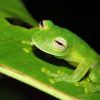
Scientists discover six new species of rain frog in Ecuador
Scientists in Ecuador have discovered six new species of rain frog. The new species were all found on the eastern slopes of the Ecuadorean Andes, in two national parks. But the scientists who discovered them have warned that all six Pristimantis species were found within a 20km-radius of deforested areas.
-
 +23 +3
Backyard Squirrelympics 3.0- The Summer Games
-
 +24 +3
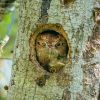
The funniest animal shots to brighten your day
A fake smiling lioness, a hiding owl and even a galloping farting zebra are some of the shortlisted images for the 2022 Comedy Wildlife Photo awards. See more of the finalists here.
-
 +11 +1
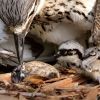
Bush Stone-Curlew chick hatching from its egg
-
 +14 +4
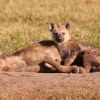
Coexistence is possible: spotted hyenas exposed to daytime pastoralism do just fine
This blog post is provided by Arjun Dheer and tells the #StoryBehindthePaper for the paper ‘Diurnal pastoralism does not reduce juvenile recruitment nor elevate allostatic load in spotted hyenas
-
 +20 +7
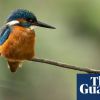
Most UK adults think nature is in urgent need of protection – poll
A majority of the public believe nature is under threat and needs urgent action to protect and restore it, according to a YouGov poll. The poll for the National Trust, RSPB and WWF comes as they and other mainstream green groups are mobilising their millions of members to counter what they say is the government’s attack on nature.
-
 +19 +3
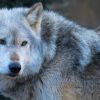
Wolves are recovering in Europe - here’s why that’s good news
Bears, wolves, and bison are making a comeback across Europe, new research has revealed. The animals are among 50 expanding species tracked in the new European Wildlife Comeback report. From loggerhead turtles and Eurasian otters to humpback whales and wolverines, many previously-struggling species have made ‘spectacular’ recoveries.
-
 +19 +3
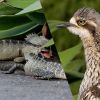
Bush Stone-Curlew reacts to Water Dragon fight
-
 +12 +4
Is ‘rewilding’ the future of conservation?
We’re in the middle of what environmentalists call a “biodiversity crisis,” with some scientists going so far as to suggest we’re heading toward another mass extinction event. Whatever you want to call it, climate change and human-caused habitat loss are causing a measurable reduction to wildlife populations around the globe.
-
 +18 +1
Resurrecting the Tasmanian Tiger Is a Dumb Project
Naturally, Peter Thiel is an investor in the company that came up with the idea.
-
 +10 +2
An ‘open, oozing wound:’ why it’s taken decades to clean up waste from a troubled mine in B.C.
From above, the closed Tulsequah Chief mine in northwest B.C. seems small as it sits by the Tulsequah River a few kilometers from the waterway’s confluence with the Taku River. But up close, the site is an “open, oozing wound,” said Guy Archibald, executive director of the Southeast Alaska Indigenous Transboundary Commission. “There’s bright orange water running down the hill, running into this huge pond of bright orange water that just overflows into the river.”
-
 +2 +1
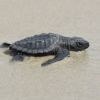
+2 +1World's tiniest sea turtle species discovered nesting in Louisiana for first time in 75 years
Louisiana officials announced they discovered the hatchlings of the world’s smallest sea turtle species on an island just off the coast of New Orleans for the first time in 75 years.
-
 +17 +4
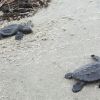
The world's smallest sea turtle nests in Louisiana for the first time in 75 years
Kemp's ridley sea turtles have hatched in Louisiana's wilds, officials say, in a victory for barrier island restoration. The tiny turtle is also believed to be the world's most endangered.
-
 +14 +3
Sir David Attenborough to Host New Five-Part BBC Nature Series ‘Wild Isles’
Sir David Attenborough is set to host a new nature series for the BBC tentatively titled “Wild Isles.” The five-part series will introduce viewers to fauna and flora across Britain and Ireland, focusing on four main areas: woodlands, grasslands, freshwater and marine.
Submit a link
Start a discussion