




















-
 +46 +10
The Worm That Nearly Ate the Internet
It infected 10 million computers. So why did cybergeddon never arrive?
-
 +26 +4
In-the-wild Mac malware kept busy in June—here’s a rundown
June was a busy month for Mac malware with the active circulation of at least six threats, several of which were able to bypass security protections Apple has built into modern versions of its macOS. The latest discovery was published Friday by Mac antivirus provider Intego, which disclosed malware dubbed OSX/CrescentCore that's available through Google search results and other mainstream channels. It masquerades as an updater or installer for Adobe’s Flash media player, but it's in fact just a persistent means for its operators to install malicious Safari extensions, rogue disk cleaners, and potentially other unwanted software.
-
 +32 +10
Major vulnerability found Electronic Arts gaming client
Check Point Research and CyberInt have identified a chain of vulnerabilities in the Origin gaming client developed by Electronic Arts (EA). Once exploited, the vulnerabilities would have led to player account takeover and identity theft. EA is the world’s second-largest gaming company and boasts household gaming titles such as FIFA, Madden NFL, NBA Live, UFC, The Sims, Battlefield, Command and Conquer and Medal of Honor in its portfolio.
-
 +11 +2
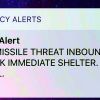
What if Hawaii Missile Message was a Hack?
What if the missile warning to residents in Hawaii 18 months ago wasn't a "miscommunication" but a hack done by North Korea? Researchers show how easy it is to spoof an emergency alert.
-
 +14 +3
12 lessons from NASA hacks: What SecOps can learn from JPL
Even if you have the basics of security policy, are you sure your actual implementation is on track?
-
 +2 +1
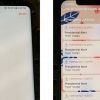
+2 +1Researchers Demonstrate How U.S. Emergency Alert System Can Be Hijacked and Weaponized
In January 2018, an emergency alert sent to local phones informed Hawaii residents of an impending nuclear ballistic missile attack, triggering some understandable panic. Needless to say, the attack wasn’t real, and a subsequent investigation found that the bogus alert was the result of little more than a clerical error.
-
 +22 +3
Persistent Telco Data Theft: Is China to Blame?
At least 10 cell providers have been compromised, losing the call detail records for “hundreds of millions” of telco customers.
-
 +48 +12
Confirmed: NASA Has Been Hacked
The U.S. National Aeronautics and Space Administration (NASA) this week confirmed that its Jet Propulsion Laboratory (JPL) has been hacked. An audit document from the U.S. Office of the Inspector General was published by NASA this week. It reveals that an unauthorized Raspberry Pi computer connected to the JPL servers was targeted by hackers, who then moved laterally further into the NASA network. How much further? Well, the hackers apparently got as far as the Deep Space Network (DSN) array of radio telescopes and numerous other JPL systems.
-
 +12 +5
U.S. Cyber Has Hacked Iranian Missile C&C, Say Super-Secret Sources
The U.S. has been hacking Iran. Allegedly U.S. Cyber Command has launched cyber strikes against Iranian command-and-control systems.
-
 +33 +3
Amazon got clearance to build surveillance drones to watch customers' homes between deliveries
The patent describes how Amazon's drones could be primarily used for delivery, but could be asked by customers to check up on their properties.
-
 +23 +5
Huge Ransomware FUBAR at Florida Beach Town
The city of Riviera Beach, Florida, has “given in” to ransomware. And it’s the biggest municipal ransom we’ve seen: ₿65—about $600,000.
-
 +23 +2
Third Party Data Breach Hits Quest Diagnostics with 12 Million Confidential Patient Records Exposed
Third party data breach struck Quest Diagnostics’ billing vendor which exposed patients’ sensitive information including social security numbers and medical information.
-
 +9 +1
+9 +1Your iPhone is not secure: Cellebrite UFED Premium is here
Nothing is secure from physical access: Where there’s a will, there’s an exploit. Once the Cellebrite genie is out of the bottle, how can they contain it?
-
 +14 +1
Security Is Not Privacy
In the digital world, security has become synonymous with privacy. But the truth of the matter is that they are not the same at all.
-
 +28 +7
Samsung tells homes to virus-check TVs
The technology company tweeted its QLED-branded sets should be scanned once every few weeks.
-
 +7 +2
+7 +2Samsung tells owners of its QLED TVs to manually scan for malware every few weeks
What just happened? Do you own a Samsung QLED TV? If so, the company is advising that you regularly check for malware using its built-in virus scanner. Unsurprisingly, this hasn’t gone down well with most people.
-
 +6 +1
+6 +1U.S. Cyber Has Hacked Russian Power Grid, Say Super-Secret Sources
The cyber cold war continues: Deep-throat sources claim the U.S. has implanted malware deep into Russia’s electricity grid. But hang on, something smells fishy.
-
 +25 +5
Cellebrite Says It Can Unlock Any iPhone for Cops
In a strangely public product announcement, the phone-cracking firm revealed a powerful new device.
-
 +29 +9
Telegram App DDoS from China Hinders #612strike Protest
Telegram, the encrypted messaging app, has come under sustained DDoS attack, which was traced back to IP addresses in China. It’s widely believed this is an attempt to disrupt citizen protests in Hong Kong, which are being coordinated using Telegram’s messaging group feature. The so-called #612strike protesters are against new Chinese extradition laws, saying they threaten Hong Kong’s status as an autonomous region.
-
 +13 +3
Son of Rowhammer: None of us are safe from RAMBleed
Researchers have been experimenting with Rowhammer. And what they’ve found will shock you. RAMBleed is their catchy name for an arsenal of ways to read any physical memory on a machine. Yes, any memory: It works across processes, containers, and even VMs. You don’t need any runtime privilege. Neither DDR4, ECC, nor TRR can save us. We’re doomed. Multi-tenant public #cloud is suddenly looking less attractive.
Submit a link
Start a discussion