



















-
 +13 +1
The Cost of Plastic Convenience #NoPlasticJuly
July signifies the beginning of environmental campaigns heavily focused on the issues of plastic output. Devised as a mechanism to shed much-needed light on the direness of plastic pollution, #NoPlasticJuly engages social media users and pushes the issue in front of the unaware. A key driver for #NoPlasticJuly is prompting people to share their own plastic reductions. But, this has transgressed the intended direction of the month and become a show in greenwashing and a PR move.
-
 +13 +1
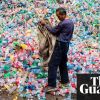
Scientists accidentally create mutant enzyme that eats plastic bottles
Scientists have created a mutant enzyme that breaks down plastic drinks bottles – by accident. The breakthrough could help solve the global plastic pollution crisis by enabling for the first time the full recycling of bottles. The new research was spurred by the discovery in 2016 of the first bacterium that had naturally evolved to eat plastic, at a waste dump in Japan. Scientists have now revealed the detailed structure of the crucial enzyme produced by the bug.
-
 +3 +1
+3 +1Thailand moves to ban importing e-waste and plastic
In a bid to stop stockpiling garbage in Thailand, the government plans to ban imports of plastic and electronic waste. The environment minister has called on the Thai recycling industry to use domestic scrap first.
-
 +12 +1
France to set penalties on non-recycled plastic next year
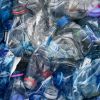
France plans to introduce a penalty system that would increase the costs of consumer goods with packaging made of non-recycled plastic, part of a pledge to use only recycled plastic nationwide by 2025, an environment ministry official said Sunday.
-
Analysis+16 +1
American Beauties
How plastic bags came to rule our lives, and why we can’t quit them.
-
 +21 +1
How one Canadian food court eliminated 117 bags of garbage a day
The food court at Yorkdale Shopping Centre in Toronto used to generate 120 bags of garbage a day. Now it produces just three — despite the fact that it serves noodles, fried chicken, burgers and other fast foods to 24,000 customers a day. "It actually just goes to show the type of waste that is here in the food collection or after you finish your meal — how much of that is actual garbage," said Claire Santamaria, the mall's general manager.
-
 +1 +1
+1 +1A giant floating trash collector will try to scoop up the Great Pacific Garbage Patch
On Sept. 8, an ungainly, 2,000-foot-long contraption will steam under the Golden Gate Bridge in what’s either a brilliant quest or a fool's errand. Dubbed the Ocean Cleanup Project, this giant sea sieve consists of pipes that float at the surface of the water with netting below, corralling trash in the center of a U-shaped design.
-
 +13 +1
Australians tried to do the right thing by recycling but then we discovered we’d been played for mugs
Keep America Beautiful managed to shift the entire debate about America’s garbage problem. ... the ‘litterbug’ became the real villain, and KAB supported fines and jail time for people who carelessly tossed out their trash, despite the fact that, clearly, ‘littering’ is a relatively tiny part of the garbage problem in this country.”
-
 +10 +1
Researchers race to make bioplastics from straw and food waste
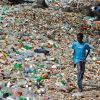
New bioplastics are being made in laboratories from straw, wood chips and food waste, with researchers aiming to replace oil as the source of the world’s plastic. The new approaches include genetically modifying bacteria to eat wood and produce useful chemicals. But the bioplastics are currently significantly more expensive to make than fossil fuel-based plastics. Land and seas around the world, from high mountains to deep oceans, have become polluted with plastic, prompting major public concern. The world has produced 8bn tonnes of plastic since the 1950s and demand is still rising.
-
 +14 +1
Plastic-eating bacteria discovered by student could help solve global pollution crisis
A student may have found a solution to one of the world’s most urgent environmental crises – breeding bacteria capable of “eating” plastic and potentially breaking it down into harmless by-products. The microbes degrade polyethylene terephthalate (PET) – one of the world’s most common plastics, used in clothing, drinks bottles and food packaging. It takes centuries to break down, in the meantime doing untold damage to its surroundings.
-
 +24 +1
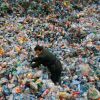
China Has Refused To Recycle The West's Plastics. What Now?
For more than 25 years, many developed countries, including the U.S., have been sending massive amounts of plastic waste to China instead of recycling it on their own. Some 106 million metric tons — about 45 percent — of the world's plastics set for recycling have been exported to China since reporting to the United Nations Comtrade Database began in 1992.
-
 +9 +1
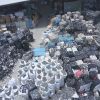
+9 +1Deluge of electronic waste turning Thailand into 'world's rubbish dump'
At a deserted factory outside Bangkok, skyscrapers made from vast blocks of crushed printers, Xbox components and TVs tower over black rivers of smashed-up computer screens. This is a tiny fraction of the estimated 50m tonnes of electronic waste created just in the EU every year, a tide of toxic rubbish that is flooding into south-east Asia from the EU, US and Japan.
-
 +4 +1
+4 +1Recycling: Senate inquiry recommends all single-use plastics be banned
A Senate inquiry into Australia’s recycling crisis has recommended that all single-use plastics – which could potentially include takeaway containers, chip packets and coffee cups with plastic linings – be banned by 2023. The wide-ranging report also recommends the establishment of a national container deposit scheme as a response to an unfolding crisis in Australian recycling that forced some councils to tip their recycling into landfill.
-
 +8 +1
+8 +1Paper bags to replace plastic at Morrisons
Morrisons has started selling fresh produce in old-style paper bags, rather than plastic ones, as it tries to cut the use of plastics. The supermarket chain, the UK's fourth largest, says it will mean 150 million fewer plastic bags are used each year. Prime Minister Theresa May has called plastic waste "one of the great environmental scourges of our time".
-
 +18 +1
People are recycling too much garbage, experts say — and it's threatening the economics of the industry
The economics of recycling have shifted drastically over the past year, threatening the viability of single-stream curbside collection in Maryland and across the United States.
-
 +1 +1
+1 +1McDonald's to ditch plastic straws
McDonald's will replace plastic straws with paper ones in all its UK and Ireland restaurants, starting from September. It is the latest company to opt out of some single-use plastic products which can take hundreds of years to decompose if not recycled. The restaurant chain uses 1.8 million straws a day in the UK.
-
 +12 +1
Thousands of Tons of Paper and Plastics Americans Put Into Recycling Are Getting Dumped in Landfills
When you toss your pickle jar or seltzer bottle into the recycling bin, you expect it to take a long journey that leads to reincarnation. You might briefly imagine its future transformed into a chianti jug or Cool Whip container. But for many vessels, it turns out there is no afterlife.
-
 0 +1
0 +1Top 3 Ocean Issues and How to Fix Them
Sometime in 2017, a whale was found dead in a coast in western Norway. When researchers dissected its stomach, they were surprised to have found more than 30 plastic bags and other plastic wastes inside the whale’s stomach. Oceans are very important part of our planet, one of our food sources yet we throw our dumps ont
-
 +11 +1
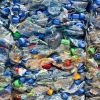
New 'plastic tax' planned by ministers to drive use of unrecyclable material out of existence
Firms who package goods in unrecyclable plastic will be hit with massive costs under plans to drive its use “out of existence”, The Independent can reveal. Whitehall insiders believe the proposal – effectively a tax on non-reusable plastic – will have a greater impact on the government’s drive to abolish all plastic waste by 2042 than any other measure. A source close to the proposal told The Independent it would make the cost of using unrecyclable plastics “so exorbitantly high” that companies would simply conclude they are no longer worth it.
-
 +16 +1
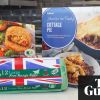
New labelling helps UK shoppers avoid plastic packaging
Iceland is among the first supermarkets to introduce the new ‘trust mark’ that shows shoppers which food packaging has no hidden plastic in it. A new plastic-free “trust mark” is being introduced today, allowing shoppers to see at a glance whether products use plastic in their packaging. The label will be prominently displayed on food and drink products, making it easier for consumers to choose greener alternatives. UK supermarket Iceland and Dutch supermarket chain Ekoplaza - which introduced plastic-free aisles earlier this year – will start using the new labelling, alongside Teapigs teabags, but campaigners hope others will follow suit.
Submit a link
Start a discussion