



















-
 +15 +3
Fully integrated circuits printed directly onto fabric
Researchers have successfully incorporated washable, stretchable and breathable electronic circuits into fabric, opening up new possibilities for smart textiles and wearable electronics. The circuits were made with cheap, safe and environmentally friendly inks, and printed using conventional inkjet printing techniques.
-
 +16 +1
Engineers develop new material for better lithium-ion batteries
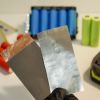
The batteries we use every day may soon become cheaper, smaller and lighter. Researchers in the Cockrell School of Engineering at The University of Texas at Austin have discovered a family of anode materials that can double the charge capacity of lithium-ion battery anodes. This means that the batteries that we use in everything from cellphones to large-scale energy storage systems could be more efficient in the future.
-
 +5 +1
+5 +1Why We Must Fight for the Right to Repair Our Electronics
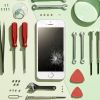
The Consumer Technology Association estimated that residents of the United States bought 183 million smartphones in 2016. There are already as many TVs in this country as there are people. That’s a lot of electronics, and these numbers are just going up. On balance, all this technology is probably making our lives better. But there’s a downside, too: The stuff often malfunctions. Unlike the 30-year-old mixer on your kitchen counter that refuses to die, new technology—especially the smart devices with fancy, embedded electronics—breaks more quickly.
-
 +14 +3
Implanted Medical Devices are Saving Lives. They’re Also Causing Exploding Corpses.
Forget to tell crematory staff about grandpa’s pacemaker? He may go out with a bang.
-
 +18 +3
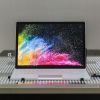
Microsoft's Surface Book 2 has more power and a new 15-inch size
A spec bump and a size bump for a laptop should be the easiest story in the world to tell. For example: Microsoft's Surface Book 2 has new processors, new graphics cards, slightly tweaked designs, and is now also available with a new 15-inch screen. Simple.
-
 +16 +5
Google Home Mini review: chasing Dots
Google’s smart speaker just got smaller. The Home Mini is, as you can deduce from its name, a smaller version of the Google Home speaker the company launched last year. It has all of the same capabilities as its larger forebear, but comes with a smaller price: $49 versus the larger speaker’s $129 tag.
-
 +1 +1
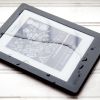
+1 +1Amazon finally makes a waterproof Kindle, after 10 years
Amazon has been selling Kindles for 10 years now, but “waterproof” hasn’t appear on its list of incremental technological advancements until now. The company just announced a new version of its popular e-reader that builds on last year’s Kindle design and now has an IPX8 waterproof rating. The new Kindle Oasis — the same name as last year’s premium Kindle — has jumped up in size, moving from a 6-inch screen to a 7-inch screen. It has an aluminum back, which gives it a more premium look and feel than the Kindles with soft-touch plastic.
-
 +15 +7
Sodium-based batteries more cost-effective than lithium
As a warming world moves from fossil fuels toward renewable solar and wind energy, industrial forecasts predict an insatiable need for battery farms to store power and provide electricity when the sky is dark and the air is still. Against that backdrop, Stanford researchers have developed a sodium-based battery that can store the same amount of energy as a state-of-the-art lithium ion, at substantially lower cost.
-
 +1 +1
+1 +1How long should a $999 iPhone last?
I usually spend about $1,300 on a new computer, and I usually expect it to stay in good shape for about four years — if not more. So if I’m spending over $1,000 on an iPhone, how long should I expect to use it for?
-
 +1 +1
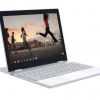
+1 +1Google Pixelbook is Google's New Chromebook With Pixelbook Pen, Starting at $1,199
As we noted in our earlier Google Home Mini reveal, a report from a couple of weeks back had actually suggested that Google would soon release a smaller Home unit. In that same report, it was suggested that a new high performance Chromebook Pixel was on the way too. Today, we can confirm that report and you can all welcome in the Google Pixelbook.
-
 +1 +1
+1 +1Speed, Thermal & Performance Comparison of Fast Charging Standards
One of the most common qualms from smartphone users is how their phones never last through the whole day. Despite all the advances in smartphones in recent years, such as quick charging solutions like Quick Charge, Dash Charge and SuperCharge, batteries feel like they have not evolved quick enough to keep up with our needs.
-
 +14 +6
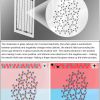
You could use a banana to work your touch screen … if you wanted to
How do touch screens work? And why do bananas work just as well as your finger but pens don't?
-
 +12 +2
The Sci-Fi Technology that Could Power Microbots
Engines powered by ions are currently carrying satellites outsides of our solar system, but here on Earth, this futuristic propulsion could power miniature robots. Daniel Drew, an engineering student at the University of California, Berkeley, found himself inspired to study miniature robots from the science fiction he devoured as a child.
-
 +18 +3
Purported 'iPhone 8' production photo shows L-shaped battery, wireless charging coil
A new photo of the alleged "iPhone 8" engineering validation test codenamed "Ferrari" has been published on social media, with the image showing the locations of the charging coil, the stacked main board, and a void for where the L-shaped battery goes.
-
 +12 +3
Television Manufacturer C Seed Pushes the Limits on Screens With a 262 Inch 4k Widescreen TV
The magicians at C Seed have just managed to develop the world’s largest 4K widescreen TV, a jaw dropping device that they called the C Seed 262. Bragging about a world record diagonal length of 262 inches (6.65 m), a width of 20.16 ft (6.14m) and a height of 8.44 ft (2.57m), this incredible TV set also features a motorized custom fabric cover that can fold away at the push of a button.
-
 +17 +3
European Parliament wants smartphones and other tech to last longer and be easier to repair
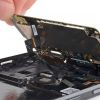
In a plenary session at the European Parliament yesterday, there was an interesting conversation about consumer electronics that could lead to some very positive legislation for smartphone buyers in Europe. MEPs discussed how to ensure that goods and software are easier to repair and update. Essentially, they want to tackle the industry propensity towards planned obsolescence and regular upgrades.
-
 +38 +7
EU lawmakers call for a right to repair electronic equipment
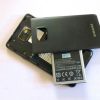
Electronic devices should be robust and easily repairable -- and laws should encourage or enforce this, members of the European Parliament said Tuesday. They want to end the planned obsolescence of consumer electronics devices and software -- which are often also used as business tools thanks to the consumerization of IT.
-
 +2 +1
+2 +1Three batteries that may power our future
Lithium-ion rechargeable batteries won't always be current. Here's a look at three batteries to come.
-
 +9 +1
+9 +1StoreDot demos EV battery that reaches a full charge in 5 minutes
Israeli startup StoreDot expects its fast-charging battery to make its debut in the EV scene within three years.
-
 +19 +3
Newly Developed 'Bionic Skin' Enables the Sense of Touch in Robots
A new process for printing stretchable electronic sensory devices in 3D has been developed by engineering researchers at the University of Minnesota. This development could enable robots to feel their environment. The discovery has also been hailed as a major step forward in printing electronics on real human skin.
Submit a link
Start a discussion