





















-
 +20 +4
1st Plastics Pollution Weather Forecast Predicts 88 Pounds of Microplastic Over Paris
Diplomats from 175 countries gathering in Paris for plastics treaty talks on Monday may want to pack an umbrella, but not just because there's a chance of rain.
-
 +3 +1
+3 +1New York City Is Sinking. It’s Far From Alone
The Big Apple is subsiding under its own weight. But other coastal cities are also dramatically descending, just as seas are rising.
-
 +17 +1
France bans short-haul flights in effort to fight climate change
Air travel between Paris and regional hubs such as Nantes, Lyon and Bordeaux will now be banned.
-
 +23 +8
When will global warming actually hit the landmark 1.5 ºC limit?
There’s a 66% chance that the annual global average temperature will hit 1.5 ºC above pre-industrial temperatures at some time in the next five years, according to a World Meteorological Organization report released on 17 May. Reaching 1.5 ºC of warming in a single year will be a landmark moment for the planet, which in 2022 was about 1.15 ºC warmer than in pre-industrial times.
-
 +4 +1
+4 +1Heat Wave and Blackout Would Send Half of Phoenix to E.R., Study Says
If a multiday blackout in Phoenix coincided with a heat wave, nearly half the population would require emergency department care for heat stroke or other heat-related illnesses, a new study suggests. While Phoenix was the most extreme example, the study warned that other cities are also at risk. Since 2015, the number of major blackouts nationwide has more than doubled.
-
 +17 +4
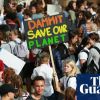
New Zealand announces its biggest emissions reduction project in history
Move to power Glenbrook steel plant with electricity from renewables rather than coal will reduce emissions by 1% – or the equivalent of taking 300,000 cars off the road
-
 +2 +1
+2 +1State lawmakers agree to 'historic' environment and climate bill
Backers say this is a historic environment, energy and climate budget bill that will make transformative investments to help Minnesota combat climate change and move more aggressively toward a carbon-free economy.
-
 +4 +1
+4 +1Greenhouse gases have changed El Niño and La Niña, significant new study finds
CSIRO has found greenhouse gas emissions have likely been making El Niño and La Niña events more frequent and extreme since the 1960s. Up until now little was known about the role it played.
-
 +4 +1
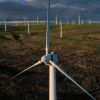
+4 +1Global warming set to break key 1.5C limit for first time
The world is likely to hit 1.5C of warming within the next five years because of rising carbon emissions.
-
 +20 +5
Air Pollution from Oil and Gas Production Contributes to Thousands of Early Deaths, Childhood Asthma Cases Nationwide
These health impacts affected communities in states with high oil and gas production, as well as states with limited or no gas activity, underlining the need for comprehensive regulatory action to protect Americans from the pollutants generated by this sector.
-
 +18 +3
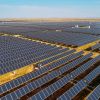
Despairing about climate change? These four charts on the unstoppable growth of solar may change your mind
Last year, the world built more new solar capacity than every other power source combined. Solar is now growing much faster than any other energy technology in history. How fast? Fast enough to completely displace fossil fuels from the entire global economy before 2050.
-
 +19 +4
Are New Zealand’s marine heatwaves a warning to the world?
As seas around Aotearoa heat at an unparalleled rate, scientists are starting to understand what it might mean for marine ecosystems
-
 +18 +4
We’re About to See a Rare and Record-Setting May Heat Wave
A potentially record-setting heat wave is headed for the Pacific Northwest and western Canada, a sign of the shift to hotter—and earlier—summers
-
 +12 +3
US Has Already Seen 7 Different Billion-Dollar Weather Disasters This Year: NOAA
Seven different billion-dollar or more extreme weather events struck the U.S. during the first four months of 2023. That's one of the "notable" findings from the National Oceanic and Atmospheric Administration's (NOAA) April State of the Climate report, released Monday.
-
 +21 +6
Energy of '25 billion atomic bombs' trapped on Earth in just 50 years, all because of global warming
Global warming has trapped an explosive amount of energy in Earth's atmosphere in the past half century — the equivalent of about 25 billion atomic bombs, a new study finds. In the paper, published April 17 in the journal Earth System Science Data(opens in new tab), an international group of researchers estimated that, between 1971 and 2020, around 380 zettajoules — that is, 380,000,000,000,000,000,000,000 joules — of energy has been trapped by global warming.
-
 +4 +1
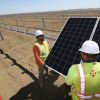
+4 +1Environmentalists sue California over reduced solar incentives
The fate of California’s wildly successful rooftop solar incentives will be decided in court. In a lawsuit filed Wednesday — and shared exclusively with The Times — three environmental groups argue that the California Public Utilities Commission acted illegally when it slashed compensation payments for power generated by solar panels.
-
 +18 +4
Human-driven climate crisis fuelling Horn of Africa drought – study
Region is suffering its worst drought in 40 years after five consecutive years of below-average rainfall
-
 +25 +4
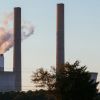
E.P.A. to Propose First Controls on Greenhouse Gases From Power Plants
If the regulation is implemented, it will be the first time the federal government has limited carbon emissions from existing power plants, which generate 25 percent of U.S. greenhouse gases.
-
 +20 +2
The climate crisis and biodiversity crisis can't be approached separately, says study
Human beings have massively changed the Earth system. Greenhouse-gas emissions produced by human activities have caused the global mean temperature to rise by more than 1.1°C compared to the preindustrial era. And every year, there are additional emissions of carbon dioxide, methane and other greenhouse gases, currently amounting to more than 55 gigatons of carbon dioxide equivalent.
-
 +18 +4
World’s first carbon import tax gets green light
The European Parliament on Tuesday approved the world’s first “carbon tax” for imported goods, imposing tariffs based on the amount of emissions generated in their production.
Submit a link
Start a discussion