





















-
 +23 +5
Scientists discover how stem cells trigger muscle regeneration
Researchers at the Salk Institute have uncovered a mechanism by which stem cells can help regenerate muscles. The discovery could provide a new drug target for repairing muscles after injury or rebuilding muscle mass lost during the normal aging process.
-
 +11 +1
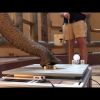
Elephant Trunks: Is There Anything They Can’t Do?
A new study highlights the impressive biomechanics and suction power of an elephant’s most defining appendage.
-
 +4 +1
+4 +1There's a Weird Correlation Between Brain Size And Yawning, Study Reveals
A large-scale animal study has revealed something rather interesting about yawning: Vertebrates with larger brains and more neurons tend to have longer-lasting yawns. And giraffes don't yawn.
-
 +28 +4
Nobody cares about ugly flowers. Scientists pay more attention to pretty plants
New research found colour played a major role skewing researcher bias — pretty, vibrant flowers get more scientific attention than dull plants, regardless of their ecological significance.
-
 +4 +1
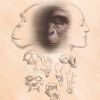
+4 +1Review: Most human origins stories are not compatible with known fossils
In the 150 years since Charles Darwin speculated that humans originated in Africa, the number of species in the human family tree has exploded, but so has the level of dispute concerning early human evolution. A new review looks at the major discoveries in hominin origins since Darwin's works and argues that fossil apes can inform us about essential aspects of ape and human evolution, including the nature of our last common ancestor.
-
 +25 +2
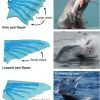
Swim like a sea lion, splash like a seal: how evolution engineered nature’s underwater acrobats
New research combines cutting-edge engineering with animal behaviour to explain the origins of efficient swimming in nature’s underwater acrobats: seals and sea lions.
-
 +30 +5
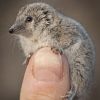
Meet 5 of Australia’s tiniest mammals, who tread a tightrope between life and death every night
One mammal, the long-tailed planigale, can weigh less than a 10-cent coin. But it's ferocious, bringing down far larger prey with persistent, savage biting to the head and neck
-
 +4 +1
+4 +1Microbes discovered deep underground remain virtually unchanged since 175 million years ago
Sometimes, not adapting is the best adaptation.
-
 +13 +1
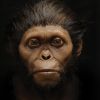
New depictions of ancient hominids aim to overcome artistic biases
Artists’ intuition instead of science drive most facial reconstructions of extinct species. Some researchers hope to change that.
-
 +14 +1
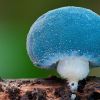
Stephen Axford: How fungi changed my view of the world
-
 +21 +2
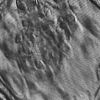
Researchers have grown 'human embryos' from skin cells. What does that mean, and is it ethical?
Two research groups have turned human skin cells into structures resembling an early-stage human embryo, paving the way for exciting new research avenues, and opening up some tricky ethical questions.
-
 +4 +1
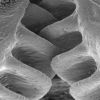
+4 +1Mechanical gears in jumping insects
-
 +14 +3
Neandertals had the capacity to perceive and produce human speech
Neandertals -- the closest ancestor to modern humans -- possessed the ability to perceive and produce human speech, according to a new study published by an international multidisciplinary team of researchers including Binghamton University anthropology professor Rolf Quam and graduate student Alex Velez.
-
 +12 +2
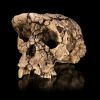
Study of partial left femur suggests Sahelanthropus tchadensis was not a hominin and thus was not the earliest known human ancestor
A small team of researchers from France, Italy and the U.S., has found evidence that suggests Sahelanthropus tchadensis was not a hominin, and thus was not the earliest known human ancestor. In their paper published in Journal of Human Evolution, the group describes their study of the fossilized leg bone and what it showed them.
-
 +16 +3
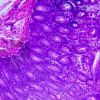
Scientists Trick The Immune System Into Healing The Gut of Mice With Inflamed Bowels
An important cell in mice and humans' immune systems has been shown to have gut-healing properties in mice with a form of inflammatory bowel disease (IBD).
-
 +18 +1
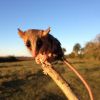
Deforestation is stressing mammals out
Lots of us are feeling pretty anxious about the destruction of the natural world. It turns out, humans aren't the only ones stressing out—by analyzing hormones that accumulate in fur, researchers found that rodents and marsupials living in smaller patches of South America's Atlantic Forest are under more stress than ones living in more intact forests.
-
 +12 +4
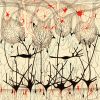
Early Illustrations of the Nervous System by Camillo Golgi and Santiago Ramón y Cajal
Beautiful diagrams exploring the nervous system from two pioneers in the field.
-
 +23 +1
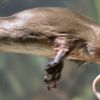
Now We Know Why Platypus Are So Weird - Their Genes Are Part Bird, Reptile, And Mammal
The first complete map of a platypus genome has just been released, and it's every bit as strange as you'd expect from a creature with 10 sex chromosomes, a pair of venomous spurs, a coat of fluorescent fur, and skin that 'sweats' milk.
-
 +32 +8
Food for thought? French bean plants show signs of intent, say scientists
Many botanists dispute idea of plant sentience, but study of climbing beans sows seed of doubt
-
 +14 +5
What tricks do octopuses have to stay alive?
Octopuses are vulnerable, like a snail without a shell, so they have to really use their wits to stay alive in the dangerous ocean.
Submit a link
Start a discussion