




















-
 +16 +1
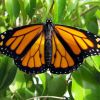
See a Caterpillar Transform Into a Butterfly Up Close
A simple procedure on a caterpillar gives a unique look inside the formation of color in a butterfly wing.
-
 +29 +1
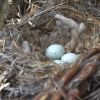
Birds use cigarette butts for chemical warfare against ticks
Urban house finches incorporate more fibres from cigarette butts into their nests if they have live ticks in them, suggesting the toxic chemicals in the butts may deter the parasites
-
 +35 +1
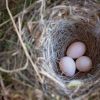
A surprisingly simple explanation for the shape of bird eggs
Researchers crack a centuries-old mystery
-
 +53 +1
Bird caught in amber 100 million years ago is best ever found
A hatchling exquisitely preserved in amber is giving us the best glimpse yet of what an extinct group of birds was like
-
 +30 +1
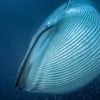
How Whales Became the Biggest Animals on the Planet
Species like the blue whale became so big only in the past 4.5 million years, a result of changes to the food supply in the oceans, scientists say.
-
 +42 +1
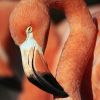
Why Flamingos Are More Stable on One Leg Than Two
They’re so steady that you can balance a dead one on a single leg.
-
 +26 +1
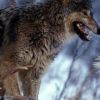
When Wolves Return to the Wild, Everything Changes
Top predators like wolves have a powerful effect on their ecosystems, and if they are taken away, a strange phenomenon can happen
-
 +50 +1
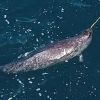
Video Solves Mystery of How Narwhals Use Their Tusks
Drone footage taken in the far northeastern regions of Canada finally sheds light on how narwhals use the massive tusks protruding from their heads.
-
 +26 +1
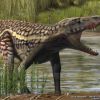
Unknown Ancient Reptile Roamed the Pyrenees Mountains
The footprint made by a reptile that lived almost 250 million years ago has been found in the Pyrenees.
-
 +29 +2
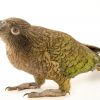
These Parrots Can Make Other Parrots 'Laugh' — a First
Forget the laughing kookaburra—kea are the birds that really tickle each other's funny bones. The highly intelligent parrot has a specific call, that—like human laughter—puts other parrots that hear it in a good mood. This makes the kea the first known non-mammal to show contagious emotion, joining the ranks of humans, rats, and chimpanzees.
-
 +27 +1
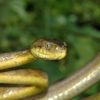
Bird-slaying snakes ravage island forests too: study
A non-native snake species that has already wiped out most of Guam's tree-dwelling birds is also decimating the Pacific island's forests, researchers said Wednesday.
-
 +32 +1
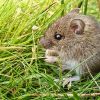
‘Meditating mice’ reveal secrets of mindfulness training
Can a mouse be mindful? Researchers believe they have created the world’s first mouse model of meditation by using light to trigger brain activity similar to what meditation induces. The mice involved appeared less anxious, too. Human experiments show that meditation reduces anxiety, lowers levels of stress hormones and improves attention and cognition. In one study of the effects of two to four weeks of meditation training, Michael Posner of the University of Oregon and colleagues discovered changes in the white matter in volunteers’ brains, related to the efficiency of communication between different brain regions. The changes, picked up i
-
 +39 +2
Monkeys and dogs judge humans by how they treat others
Be nice – or your dog may judge you. Both pets and monkeys show a preference for people who help others, and this might explain the origins of our sense of morality. Studies involving babies have previously shown that by the age of one, humans are already starting to judge people by how they interact. This has led to suggestions that children have a kind of innate morality that predates their being taught how to behave.
-
 +33 +2
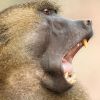
Baboons use vowel sounds strikingly similar to humans
For decades, scientists thought that most primates could not produce vowels, sounds fundamental to human speech. That’s because nonhumans supposedly lacked the necessary vocal anatomy. But now, researchers report that Guinea baboons, monkeys that inhabit the forests and savanna of West Africa, make five vowellike sounds similar to those used by humans. The findings bolster a recent study showing that Japanese macaques are also anatomically capable of speech.
-
 +16 +1
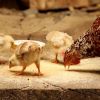
Chickens exhibit Machiavellian tendencies, scientists discover
Chickens are not as ‘bird brained’ as previously thought.
-
 +23 +1
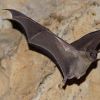
When Bats Squeak, They Tend To Squabble
If movies were trying to be more realistic, perhaps the way to summon Batman shouldn't have been the Bat-Signal — it should have been the bat squeak. New research from the Bat Lab for Neuro-Ecology at Tel Aviv University found that bats are "vocalizing" more information than many researchers previously thought. And researchers were able to decipher what the bats were squeaking to each other about — often they were bickering over things like food, sleep and mating.
-
 +29 +1
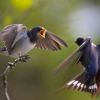
Birds migrating earlier as temperatures rise
Migrating birds are arriving at their breeding grounds earlier as global temperatures rise, an Edinburgh University study finds.
-
 +34 +1
Apes can guess what others are thinking - just like humans, study finds
Research indicates apes are able to predict one another’s beliefs and suggests that other primates have complex inner lives
-
 +35 +1
Cheetahs Heading Towards Extinction as Population Crashes
A new study estimates there are just 7,100 now left in the wild as they face growing conflict with humans.
-
 +2 +2
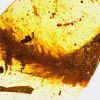
+2 +2First Dinosaur Tail Found Preserved in Amber
To scientists' delight, the incredible appendage from 99 million years ago is covered in feathers.
Submit a link
Start a discussion