





















-
 +12 +1
What Would Happen If We Brought Birds Back From The Dead?
Scientists are striving to resurrect extinct species, but if it works, they may not come back to the same habitat they left.
-
 +21 +1
How Does An Owl Fly So Silently? - Super Powered Owls
-
 +35 +1
These Birds Can Sing Using Only Their Feathers
When feathers meet air in just the right way, birds can create distinctive sounds
-
 +41 +1
Finally, You Can See Dinosaurs in All Their Feathered Glory
A new exhibit in New York challenges the popular view of dinos as green, scaly beasts and showcases their links to today's birds.
-
 +41 +1
Grief in animals: It's arrogant to think we're the only animals who mourn
There is no doubt that many animals experience rich and deep emotions. It's not a matter of if emotions have evolved in animals but why they have evolved as they have. We must never forget that our emotions are the gifts of our ancestors, our animal kin. We have feelings and so do other animals. Among the different emotions that animals display clearly and unambiguously is grief. Many animals display profound grief at the loss or absence of...
-
 +21 +1
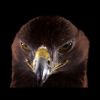
Golden Eagle in Slow Motion
How do feathers work? Sam and Si take one of the biggest birds of prey, the golden eagle, and see just how it carries its massive frame through the air.
-
 +10 +1
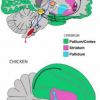
Big, Beautiful Bird Brains
Bird brains: How intelligent are birds? Emily Willoughby explains some startling new research findings.
-
 +25 +1
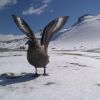
Antarctic Birds can Recognize Individual People, and Attack Intruders
The birds often chase intruders and claw their heads.
-
 +10 +1
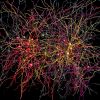
The Nameless Mouse Behind the Largest-Ever Neural Network
This is the true story of a Harvard lab mouse, whose brain is now at the center of one of the most impressive functional brain maps ever.
-
 +23 +1
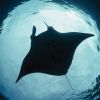
Manta rays are first fish to recognise themselves in a mirror
Looking good. Giant manta rays have been filmed checking out their reflections in a way that suggests they are self-aware. Only a small number of animals, mostly primates, have passed the mirror test, widely used as a tentative test of self-awareness. “This new discovery is incredibly important,” says Marc Bekoff, of the University of Colorado in Boulder. “It shows that we really need to expand the range of animals we study.”
-
 +30 +1
360° Red Kite Bird Feeding Frenzy
You are being surrounded by 250, of the once endangered, red kite birds in full 360°.
-
 +35 +1
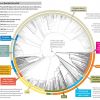
All 2.3 Million Species Are Mapped into a Single Circle of Life
Lineages of all known species on earth are finally pieced together.
-
 +38 +1
Some Birds Are Just As Smart As Apes
Complex cognition is possible without a cortex. Researchers figure out similarities in brain architecture. At first glance, the brains of birds and mammals show many significant differences. In spite of that, the cognitive skills of some groups of birds match those of apes.
-
 +24 +1
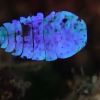
How the Sea Sapphire Becomes Iridescent or Invisible in a Flash
This ant-sized sea creature is a dazzling spectacle, if you can keep them in sight.
-
 +20 +1
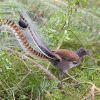
Incredible Lyrebird Mimics Chainsaws, Toy Guns, Car Alarms to Impress His Mate
The male gender will go to some pretty great lengths to attract a suitable female companion, but few in the wild world of nature can put on a show like Australia’s flamboyant lyrebird.
-
 +34 +1
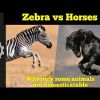
Zebra vs Horses
Educational video about the difference between Zebras and Horses and why only certain species of animals are domesticatable.
-
 +7 +1
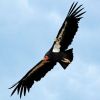
+7 +1For the First Time in Decades, more California Condors were Born in the Wild than Died
This major milestone might help ensure the future of this species on the brink of extinction.
-
 +21 +1
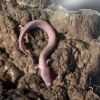
Olm eggs: Tense Wait for Baby Slovenian 'Dragons'
In a Slovenian cave visited by a million tourists each year, a bizarre and rare amphibian is guarding a significant clutch of eggs.
-
 +10 +1
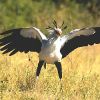
Secretary Bird
Sagittarius serpentarius is found throughout Africa south of the Sahara, except the extreme deserts of the Namib coast and the forested region around the equator in western Africa.
-
 +10 +2
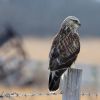
Rough-legged Hawk is the Picture of Poise
The only Buteo hawks that cling to cold climates, rough-legged hawks nest mostly in tundra regions north of the boreal forest
Submit a link
Start a discussion