





















-
 +1 +1
+1 +1How the Biosphere 2 experiment changed our understanding of the Earth
In the early 1990s, eight people tried to survive in a hermetically sealed glass structure filled with miniature forests, oceans and savannah.
-
 +19 +2
86 Stories of Progress from 2024
Not everything that happened this year was terrible.
-
 +3 +1
+3 +1Beauty and the Bike (2009)
This film follows two groups of young women from Darlington and Bremen. Between them, they discover what makes - and stops - teenage girls from cycling. The answer? "It's the Infrastructure, stupid!"
-
 +39 +8
The world’s 280 million electric bikes and mopeds are cutting demand for oil far more than electric cars
Electric vehicles get all the press – but it’s the smaller unsung two wheelers cutting oil demand the most.
-
 +19 +6
Oil Companies Are Still Determined to Burn the Planet Down
The big energy firms have largely stopped denying the scientific consensus about climate change. But behind their rhetoric about “net zero emissions,” there’s an unflinching determination to keep profiting from oil and gas, whatever the cost.
-
 +42 +7
Scientists reviewed 7,000 studies on microplastics. Their alarming conclusion puts humanity on notice
Global action is urgently needed to tackle microplastic – and the problem has never been more pressing.
-
 +2 +1
+2 +1The Selfish Act Scene - Utopia
Rant on the selfish act of having children in the Season 2 Finale of Utopia (2014)
-
 +35 +8
Forever Chemicals Seep Through Human Skin, Alarming Study Confirms
An inescapable form of human pollution is seeping into our bodies in ways we never fully realized.
-
 +27 +1
Rocket company develops massive catapult to launch satellites into space without using jet fuel: '10,000 times the force of Earth's gravity'
SpinLaunch is developing a large rotating arm that uses kinetic energy to fling 440-pound satellites into low orbit.
-
 +25 +2
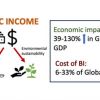
Basic income can double global GDP while reducing carbon emissions
Giving a regular cash payment to the entire world population has the potential to increase global gross domestic product (GDP) by 130%, according to a new analysis published June 7 in the journal Cell Reports Sustainability. Researchers suggest that charging carbon emitters with an emission tax could help fund such basic income program while reducing environmental degradation.
-
 +35 +6
What’s better for the climate: A paper book, or an e-reader?
Books take a lot of resources to make. Digital readers do, too. What's the more sustainable option? The answer isn't straightforward.
-
 +24 +7
Microplastics found in every human testicle in study
Scientists say discovery may be linked to decades-long decline in sperm counts in men around the world
-
 +24 +6
Rock art indicates cows once grazed a lush, green Sahara
The discovery of rare painted rock art featuring cattle in one of the driest parts of the Sahara Desert indicates that the region was once covered in grass, swamps and waterholes, making it a resource-rich home to a diverse community of animal species.
-
 +26 +2
Can you actually avoid “forever chemicals” in your diet?
Today, more than 97% of the national population has PFAS in their bodies, according to the CDC
-
 +37 +6
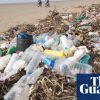
Survey finds that 60 firms are responsible for half of world’s plastic pollution
Study confirms Philip Morris International, Danone, Nestlé, PepsiCo and Coca-Cola are worst offenders
-
 +28 +3
Seven times size of Manhattan: the African tree-planting project making a difference
Thousands of farmers have been persuaded by TREES scheme to replace barren monocultures with biodiverse forest gardens
-
 +21 +6
Rivers Reborn: Alewives Continue to Make a Recovery in the Penobscot Watershed in Maine
Alewife fish populations are continuing to journey back home to Maine's Penobscot River thanks to the Infrastructure Investment and Jobs Act which is helping to reconnect and restore fish passages.
-
 +29 +4
PFAS chemicals to be phased out of food packaging. Here's how to avoid
-
 +26 +7
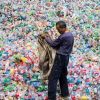
Recycling Doesn’t Work—and the Plastics Industry Knew It
The industry knew decades ago that recycling was never viable in the long term, and now we’re all being poisoned by its product.
-
 +28 +3
At least 60% of US population may face ‘forever chemicals’ in tap water, tests suggest
Federal tests of one-third of water systems find 70 million Americans exposed to PFAS – suggesting 200 million affected overall
Submit a link
Start a discussion