




















10 years ago
2
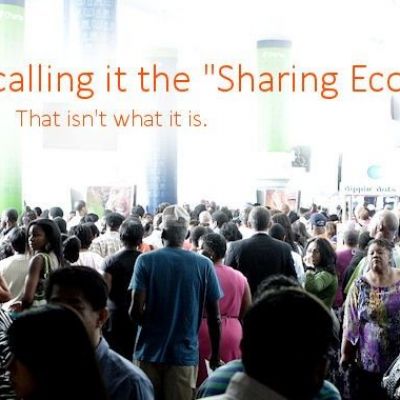
Stop calling it the “Sharing Economy.” That isn’t what it is.
Olivier Blanchard's opinion piece that makes some really salient points. The cynic in me approves.
Continue Reading http://olivierblanchard.net



Join the Discussion
When someone starts talking about "the free market" and "the level playing field" you know there are monopolies or oligopolies involved.
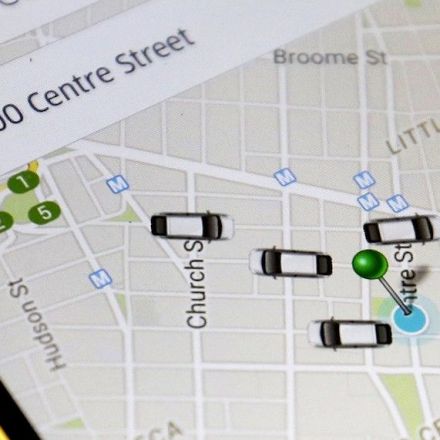
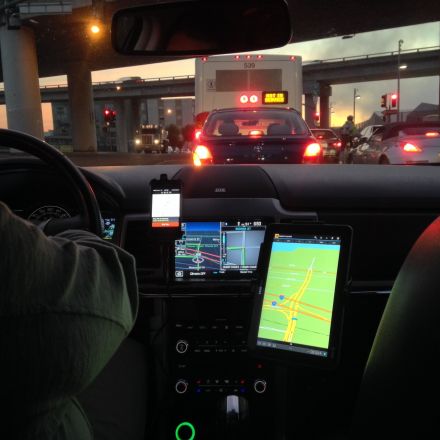
Most of the things he covers are markets with very strict rules or oligopolies. Copyright is a government enforced monopoly ownership. There is no "competition" there. Taxis are usually government regulated because the technology, that they rely on, "meters" need to be regulated or people get ripped off or worse. The disruptive tech for taxis is mobile phones with GPS that enable everyone involved: drivers, passengers, companies to monitor what's happening. This is definitely disruptive technology. As for the use of the word "sharing" maybe he's right about that. "Much more flexible renting" doesn't have the same ring.
An article filled with inconsistencies:
--
Isn't that what's happening with Uber?
Unfortunately, not only is he right, but I think given the nature of the business community, it's going to be the main economic engine for the next years. It's good for one thing: it externalizers costs. Uber even with a level playing field has a huge advantage over a cab company. no staff AND no cars. They don't have to pay upkeep on the cars, they don't have to carry insurance on the cars that they don't own, or provide insurance against the injury to employees that they don't have. Imagine the next revolution in retail, a store in which the workers are all self employed contractors renting space and buying the stuff they sell. At best the CEO of nextmart buys a building. He makes billions and other than rent takes no risks. No traditional retailer can compete, because they own the stock, they hire people. It's day labor economics.