


















-
 +26 +1
How America’s Aircraft Carriers Could Become Obsolete
Modern missiles make them vulnerable. A $13 billion price tag makes them expensive. New technology may make them unnecessary. By Justin Bachman.
-
 +13 +1
How Not to Build a Ship: The USS Ford
The USS Ford is following the pattern of all recent weapon system programs. It is years behind schedule and billions over budget because the Pentagon continues to conduct business as usual. By Dan Grazier, Pierre Sprey. (May 30, 2017)
-
 +21 +1
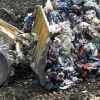
Turning Plastic to Oil, U.K. Startup Sees Money in Saving Oceans
At a garbage dump about 80 miles west of London, Adrian Griffiths is testing an invention he’s confident will save the world’s oceans from choking in plastic waste. And earn him millions. His machine, about the size of a tennis court, churns all sorts of petroleum-based products -- cling wrap, polyester clothing, carpets, electronics -- back into oil. It takes less than a second and the resulting fuel, called Plaxx, can be used to make plastic again or power ship engines.
-
 +31 +1
If You Drink Coffee From Pods, You May Want to Reconsider
K-Cups are accumulating in landfills at alarming rates.
-
 +18 +1
The New Agent Orange
These veterans say war made them sick. The Department of Defense doesn’t agree. By Jennifer Percy.
-
 +34 +1
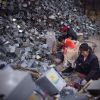
The e-waste mountains - in pictures
Sustainable development goal target 12.5 is to reduce waste, but with a planet increasingly dependent on technology, is that even possible? Kai Loeffelbein’s photographs of e-waste recycling in Guiyu, southern China show what happens to discarded computers
-
 +10 +1
UK water firms call for 'do not flush' labelling on wet wipes
UK water companies are urging a national trading standards body to help stamp out “misleading” labelling on disposable wet wipes that are marketed as flushable but clog up drains and litter oceans at huge environmental cost. They are calling on manufacturers of moist toilet tissues and other non-biodegradable cleaning cloths such as bathroom cleaning wipes – which are routinely flushed away by consumers in their toilets – to ensure that such products are prominently labelled as not flushable and are to be disposed of in a bin.
-
 +2 +1
+2 +1Calling the U.S. Navy’s Littoral Combat a ‘Frigate’ Doesn’t Make It Any Less Crappy
Watchdog agency slams up-gunned Littoral Combat Ship. By David Axe.
-
 -2 +1
-2 +11300 On The Move
-
 +47 +1
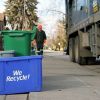
Is it time to rethink recycling?
Criticize recycling and you may as well be using a fume-spewing chainsaw to chop down ancient redwoods, as far as most environmentalists are concerned. But recent research into the environmental costs and benefits and some tough-to-ignore market realities have even the most ardent of recycling fans questioning the current system.
-
 -1 +1
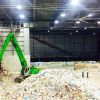
-1 +1The Violent Afterlife of a Recycled Plastic Bottle
What happens after you toss it into the bin? Most of us do not think much about recycling. We might clean bottles and jars, crush cartons and break down boxes. We might sort these items into their designated bins or bags, but once we lose sight of the recyclables, the rest of the process is an abstraction. Recycling makes us feel good, but few of us know what actually happens to a plastic bottle after we drop it into a bin.
-
 +16 +1
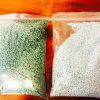
The Violent Afterlife of a Recycled Plastic Bottle
What happens after you toss it into the bin? By Debra Winter.
-
 +16 +1
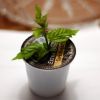
K-Cup recycling offered by Wheaton's furniture in Moncton
A furniture store is giving Moncton-area residents the chance to recycle K-Cups and help create jobs for people with disabilities in the Maritimes. Wheaton's furniture has launched a pilot project to recycle the convenient coffee cups and at the same time, create jobs for people who are disabled. The single-use cups are popular, but the handy coffee pods generate a significant amount of waste.
-
 +23 +1
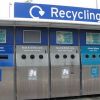
Arizona cities fall well below national average recycling rate
Phoenix's residential landfill diversion rate in the 2014-15 fiscal year was 20%.
-
 +21 +1
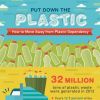
Excellent infographic shows why we must say no to plastic
With our plastic dependency growing and rate of recycling decreasing, it's crucial to make the tough but necessary switch to reusables.
-
 +14 +1
Photos of foreign tourists cleaning up beach lay bare Vietnam's littering problem
Photos of two foreign tourists picking up trash on a beach in northern Vietnam have gone viral on the Internet recently, prompting criticism on the notoriously bad littering habit among many locals. The photos show two women on Cat Ba Beach in Hai Phong City, with one down on her knees and another wading in the water to clean up the beach. Many tourists are either swimming or relaxing on the background.
-
 +6 +1
+6 +1Waste-Based Biofuels Going Into United Passenger Planes This Summer
United Airlines is partnering with California-based Fulcrum Bioenergy to make alternative jet fuel from food scraps, farm waste, and animal fat.
-
 +2 +1
+2 +1European Parliament urges donation of supermarket leftovers
The European Parliament on Thursday (9 July) urged EU countries to cut down on waste by getting supermarkets to give their unsold food to charities, rather than destroy it.
-
 +10 +1
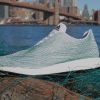
Adidas Has Created A Shoe Made Entirely From Ocean Trash
Adidas, in partnership with a nonprofit called Parley for the Oceans, has created a shoe that is made entirely from ocean trash and creates zero waste. The company plans to release a line of shoes made like this later this year.
-
 +14 +1
Our Homeless, Explosive Radioactive Waste
A formidable glitch occurred just as the United States prepares to embark on a multi-billion-dollar program to restart production of nuclear weapons. An explosion at an underground waste dump in New Mexico—complete with some sky-high kitty litter—is highlighting the dangers inherent not only in the weapons of mass destruction themselves but in the deadly wastes their development has left over the past 75 years.
Submit a link
Start a discussion