










Transparent painting in oil painting
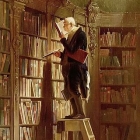
What is transparent painting and "optical ash" Transparent painting is the oldest known easel painting technique, dating back to the 15th century. It is a traditional European painting technique before the 19th century. Transparent painting method basically is to undertake colour cover catch, make two kinds of color harmonize through vision produce the 3rd kind of color, although it and physics harmonize the 3rd kind of color that derive have same hue, but visual effect is different, former more dark, have burnish like jewel. In transparent painting, the sketching of a painting is done without the use of color. The so-called non-use of color refers to the monochrome high-profile form to determine the volume of the composition and the image. The color is then added as a transparent rarefied or polished color. Transparent drawing includes: (1) transparent color redisplay. Generally in the background and the body of the dark part of the non-toned or less toned powder oil for multi-layer cover color, reveal the cloth and background color. (2) Thin bottom transparent cover color. On the gray brown bottom of the middle tone, dark brown or silver gray is used to draw a more strict plain color oil painting, transparent color is covered after being dry, transparent color is avoided to adjust white too much, so as not to affect diaphaneity. For this reason, the bottom of the plain oil painting needs to improve brightness in advance, leaving room for multi-layer cover color. (3) Thick transparent cover color. Refers to the bottom painting thick coated smooth surface and bottom painting thick coated concave and convex surface cover transparent color. Thick coated smooth surface refers to the first thick color to be not dry when swept, dry cover transparent color. This method is mostly used in classical oil paintings. For example skin suffers light part multi-purpose thick besmear pigment, make its and the thickness of dark color part such as setting pull open distance. Thick paint is not dry when the brush gently sweep evenly brush smooth processing, dry and then cover transparent color, can achieve both thick and transparent crystal effect. "Optical grey" is a visual effect of transparent painting. Ancient artists in tampela or oily color bottom with resin varnish glaze dyed, coated with transparent or translucent cover layer, so that all kinds of layers through overlapping revealed, namely the transparent gray with strange colors - "optical gray". This transparent gray and the deployment of gray compared to the visual effect is not the same. It can't be drawn directly. Rubens was already famous for creating optical grey, telling his students: "At least the last layer of shade should be transparent." Figure 29 is part of Rubens' oil painting. What is the method of classical transparent drawing (1) The first sketch. Transparent painting mainly relies on clear, successful monochrome background painting - sketch. At this stage, any sketching medium - charcoal, chalk, etc. - can be used to clearly define a frame to fill in the background color - sketch. After that, spray a layer of hair spray or polish. (2) pure grey painting method. Grey is usually mixed with white and black, or ochre or brown and white. The basic requirement is a strong contrast of light and shade levels, as bright as possible, because each subsequent coloring will make the picture a little darker. According to the principle of "fat cover thin", at this stage, oil should be used as little as possible. Ancient painters used lead white, because lead white was the most "thin" in oil paints, while black oil painting was oily, so it should be used less. When depicting portraits with contrasting levels of light and dark, it does not mean that the darker is the better. On the basis of maintaining brightness, the deepest tone should be in the middle gray. When painting a gray picture, should always have a fan pen or oil painting roller, constantly use it to wipe the paint flat, generally only in really need to draw slightly thicker strokes. After gray painting is completed, at least let it dry for more than two days and then coated with a layer of polishing oil, which is conducive to the subsequent layer of color glazing. (3) coloring. The beginning of the color layer to generalize, a large area of pure diluted glazing is the first step in the coloring process. Wait until one layer is dry before covering the next layer, about one to two days apart. Can use wet cover of course wet drawing law, but control colour not easily, the artist that uses transparent drawing law so draws a few pictures at the same time. (4) thin coating. After transparent coloring, to increase the body feeling of object image, simple sense, high gloss and detail part often use thin besmear means to emphasize, with a lot of white to mediate a lot of toning oil besmear at dry on the glazing color, add toning oil is to abide by "fat cover thin" principle. Note: Do not use turpentine at this stage. Turpentine is only used in the grey painting stage. In transparent painting, glazing and thin coating may alternate. Sometimes two or three times can be, may also be more than 30 or 40 times. The work is dried for a few months and then coated with varnish. Some people say: there are as many transparent painting artists as there are techniques, so transparent painting is not limited to the above methods. Painters can explore their own techniques and styles according to their own needs. Here is another classic transparent drawing method: First with charcoal draft, and then with a long front hook pen dipped in latex blend of black pigment or ink accurately to hook the outline, and then with a large brush brush dipped in "three in one" oil (Dama light oil: linseed oil: turpentine = 1∶1∶3) out of the ochre tone of the thin color, with loose brush painting full picture, and then with a rag to wipe the redundant oil. The second step: with a large dip emulsion (methyl cellulose emulsion or casein emulsion, see "tampera emulsion production"), adjust titanium dioxide to draw the object by the light part, while the white is not dry when the pen lightly sweep, to the dark part of the transition, making the white effect shows the middle tone, the contrast of the picture should be summarized, strong. The third step: white dry then with "three in one" oil toner glaze dyed, the so-called "glazing". If there is no toner can be oil paint with kori paper to absorb the oil and then use. The white of the second step and the glaze of the third step are repeated until the shape and color are perfectly combined. Because this technique uses latex whitening, it dries quickly and can be conjunctival in a short time after glaze dyeing, so it can be continuous operation. Care should be taken not to use too much oil in the initial glaze dyeing. Additional, canvas base should have oily absorption, initial drawing is dry, show burnish gradually. Classical transparent painting requires a process of becoming familiar with the materials, and the artist has to accumulate experience in practice.
Join the Discussion