


















-
 +38 +1
The bad news on human nature, in 10 findings from psychology
It’s a question that’s reverberated through the ages – are humans, though imperfect, essentially kind, sensible, good-natured creatures? Or are we, deep down, wired to be bad, blinkered, idle, vain, vengeful and selfish? There are no easy answers, and there’s clearly a lot of variation between individuals, but here we shine some evidence-based light on the matter through 10 dispiriting findings that reveal the darker and less impressive aspects of human nature:
-
 +2 +1
+2 +1How Long Until a Robot Cries?
Identifying the mechanics of emotions. By Neil Savage.
-
 +7 +1
+7 +1People Who Take Revenge Do It to Restore Inner Peace, Study Says
We talked to a researcher behind a new study on the motivations behind revenge to find out why burning all your ex's clothes just feels right. By Kimberly Lawson.
-
 +19 +1
You Can Have Emotions You Don’t Feel
What does it mean to have an emotion? It seems obvious that having one means feeling it. If you’re happy but don’t know it, in what sense could you actually be happy? By Jim Davies.
-
 +21 +1
Anger is one of the healthiest emotions we can have, finds new study.
It is helpful to understand that anger is contextual and social. When anger fails to fill a constructive framework, however, it can morph into undesirable expressions of the emotion, anger experts say. Anger externalized can turn into violence and aggression; anger internalized can cause depression, health problems and communication difficulties, they note.
-
 +11 +1
Exquisite Masochism
On Sex and the Novel. By Claire Jarvis.
-
 +2 +1
+2 +1The function of music with Jad Abumrad
Music might be quintessentially human, but does it serve a purpose?
-
 +6 +2
+6 +2The luxury of tears
People in richer societies cry more. Matthew Sweet probes the reasons.
-
 +19 +1
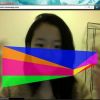
motionEmotion
motionEmotion is an emotion & gesture-based arpeggiator and synthesizer. It uses the webcam to detect points of motion on the screen and tracks the user's emotion. It draws triangles between the points of motion, and each triangle represents a note in an arpeggio/scale that is determined by the user's emotion.
Submit a link
Start a discussion