




















-
 +17 +1
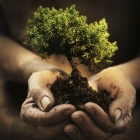
The Long-Lost Tale of an 18th-Century Tsunami, as Told by Trees
Local evidence of the cataclysm has literally washed away over the years. But Oregon’s Douglas firs may have recorded clues deep in their tree rings.
-
 +20 +1
A circular food system can withstand crises like COVID-19 — and provide delicious meals
There are many hard lessons learned from the pandemic; one is that our food system needs a serious reboot. Luckily, we need only look to nature’s cycles for clues on how to fix it.
-
 +14 +1
World's Tiniest Pig at 10-Inches Tall, Once Thought Extinct, Is Returning to the Wild
Acting as an important keystone species in its grassland home, the 10-inch tall pygmy hog in North India is coming back from the brink.
-
 +20 +1
A Literal Mouse Plague Is Terrorizing Towns in Eastern Australia Right Now
While the rest of the world continues to tackle the global pandemic, in eastern Australia, waves of mice are flooding farms and towns.
-
 +15 +1
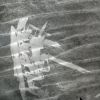
From the air they resemble giant Japanese calligraphy, but these outback shapes are evidence of the masters of fire
Images intended to help open up the outback to mining following World War II instead deliver a lesson from the last generation of Indigenous people to live in the Great Sandy Desert on how to protect life and the land.
-
 +28 +1
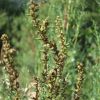
Nobody cares about ugly flowers. Scientists pay more attention to pretty plants
New research found colour played a major role skewing researcher bias — pretty, vibrant flowers get more scientific attention than dull plants, regardless of their ecological significance.
-
 +30 +1
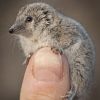
Meet 5 of Australia’s tiniest mammals, who tread a tightrope between life and death every night
One mammal, the long-tailed planigale, can weigh less than a 10-cent coin. But it's ferocious, bringing down far larger prey with persistent, savage biting to the head and neck
-
 +18 +1
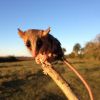
Deforestation is stressing mammals out
Lots of us are feeling pretty anxious about the destruction of the natural world. It turns out, humans aren't the only ones stressing out—by analyzing hormones that accumulate in fur, researchers found that rodents and marsupials living in smaller patches of South America's Atlantic Forest are under more stress than ones living in more intact forests.
-
 +3 +1
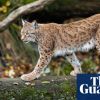
+3 +1Wild lynx could be reintroduced into Scottish Highlands
Study tests public support for bringing back species after 500-year absence, while farmers fear for sheep
-
 +14 +1
Amazon Rainforest Will Collapse by 2064, New Study Predicts
The future of the world's largest rainforest looks bleak. A report for Environment: Science and Policy for Sustainable Development concluded that the Amazon rainforest will collapse and largely become a dry, shrubby plain by 2064. Development, deforestation and the climate crisis are to blame, study author and geologist Robert Toovey Walker found.
-
 +28 +1
The mouse took advantage of humans to spread around the world
The gray mouse took advantage of the sedentarization of the first human population, 15,000 years ago, to spread around the world., science,biology,AFP
-
 +20 +1
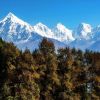
The Himalayan Invention Powered by Pine Needles
In Uttarakhand, in the western Himalayas, a local inventor discovered an unusual use for pine needles that is reviving the local economy, and the forest floor.
-
 +12 +1
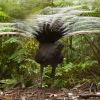
New research shows lyrebirds move more litter and soil than any other digging animal
The Superb Lyrebird is famous for its song and dance, but what is less known is their extraordinary role as world-class ecosystem engineers.
-
 +10 +1
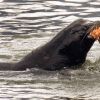
US allows killing sea lions eating at-risk Northwest salmon
U.S. authorities on Friday gave wildlife managers in Washington, Oregon and Idaho permission to start killing hundreds of sea lions in the Columbia River basin in hopes of helping struggling salmon and steelhead trout.
-
 +18 +1
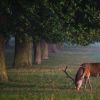
Rewilding Britain: the plan to restore an area the size of Manchester
A new nature network wants to rewild 300,000 acres of land in the UK, in a bid to boost biodiversity and tackle climate change
-
 +25 +1
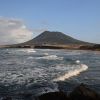
New research reveals how water in the deep Earth triggers earthquakes and tsunamis
In a new study, published in the journal Nature, an international team of scientists provide the first conclusive evidence directly linking deep Earth’s water cycle with magmatic productivity and earthquake activity.
-
 +18 +1
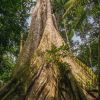
Amazon under threat: Fires, Loggers and now Virus
How the loss of the Amazon goes beyond deforestation - and what the nine countries that share this natural resource are doing to protect it.
-
 +4 +1
+4 +1Environmentalists suggest COVID-19 could represent a new opportunity for a more diverse future
A team of environmental researchers at the Australian Rivers Institute–Coast & Estuaries, School of Environment and Science, Griffith University, is suggesting in a Letters piece in the journal Science that the COVID-19 pandemic could represent a new opportunity for a more diverse future—they suggest that with proper planning, we could use what has been learned from the global lockdown to improve global biodiversity.
-
 +30 +1
Life After People
A look at what would happen if humans disappeared from Earth. How would ecology adapt and change to cope with the lack of human beings, and what will the earth look like into a future without humans.
-
 +4 +1
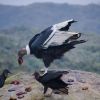
+4 +1The Paleozoic diet: Why animals eat what they eat
In what is likely the first study to look at how dietary preferences evolved across the animal kingdom, UA researchers looked at more than a million species, going back 800 million years. The team reports several unexpected discoveries, including that the first animal likely was a carnivore and that humans, along with other omnivores, belong to a rare breed.
Submit a link
Start a discussion