



















-
 +12 +1
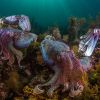
Squid, Octopus, and Cuttlefish more Abundant: Good News in the ocean?
Cephalopods have become more and more abundant over the past 60 years, scientists say. But what does that mean for the rest of the ocean?
-
 +30 +1
6 Years After Gulf Oil Spill, Residents Demand ‘No More Drilling’
As the legal cases against BP draw to a close, the risks of offshore oil drilling — and public opposition to it — grow. By Antonia Juhasz. (Apr. 20)
-
 +4 +1
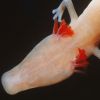
+4 +1The Salamander That Took Slovenia by Storm
Centuries ago, folklore told of baby dragons living deep underground. Now one of them has laid eggs. By Meehan Crist.
-
 +17 +1
Why We Know Whether a Swallow Is Frightened in a Storm
What really happens on the Animal Internet. By Alexander Pschera. [Excerpt]
-
 +2 +1
+2 +1The Other Crisis on the Mexican Border
Animals are struggling to cope with the US-Mexico border wall. By Krista Schlyer.
-
 +3 +1
+3 +1The Augmented Human Being
A Conversation With George Church.
-
 +3 +1
+3 +1The Last Word On Nothing
Corvids are a wonderful genre of beast… By Sarah Gilman.
-
 +39 +1
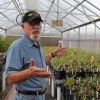
This Man Is Genetically Altering Ecosystems to Save Them from Climate Change
On a chilly afternoon last October, at a University of Northern Arizona conference, Thomas Whitham, a plant geneticist, proposed a plan to save hundreds of species from extinction. For the last several years, Whitham said, he and his colleagues had used a series of experimental gardens to study how plants are being affected by warming temperatures—in near real-time—and how their populations might evolve due to climate change… By Lois Parshley.
-
 +22 +1
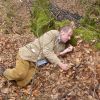
The barrister who became a badger: why did Charles Foster decide to live like an animal?
He ate earthworms as a badger, tore open binbags as an urban fox, and was hunted by a bloodhound as a deer. By Anoosh Chakelian.
-
 +30 +1
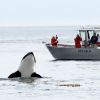
Whales With a Dam Problem
Orcas in the Pacific Northwest are struggling to boost their numbers. Could dams have something to do with it? By Chelsey B. Coombs.
-
 +37 +1
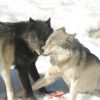
Why This Canadian Province Is Slaughtering All Its Wolves
The government has commissioned the killing of well over 1,000 wolves in the past decade after destroying the land of its prey—the caribou. By James Wilt.
-
 +6 +1
+6 +1The Case for Setting Aside Half the Planet
In his latest book, Pulitzer Prize–winning scientist Edward O. Wilson argues for a bold step in conservation. By Dean Kuipers.
-
 +7 +1
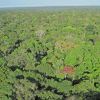
+7 +1Synchronized leaf aging in the Amazon responsible for seasonal increases in photosynthesis
One hundred and fifty feet above the ground in the Amazonian rainforest, a vast ocean of green spreads out in every direction...
-
 +4 +1
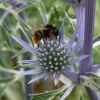
+4 +1Flowers tone down the iridescence of their petals and avoid confusing bees
Latest research shows that flowers’ iridescent petals, which may look plain to human eyes, are perfectly tailored to a bee’s-eye-view.
-
 +18 +1
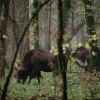
Polish scientists protest over plan to log in Białowieża Forest
Researchers suspect motives for a planned increase in felling are commercial, but forest administration cites pest control. By Quirin Schiermeier.
-
 +2 +1
+2 +1The Archdruid Report: The Decline and Fall of Hillary Clinton
“Why settle for the lesser evil?” By John Michael Greer.
-
 +32 +1
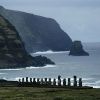
Mystery of Rapa Nui: What really happened at Easter Island?
The Rapa Nui people, who have lived on Easter Island since before Europeans arrived, accomplished incredible feats of engineering. But some centuries ago, their numbers dwindled. What kickstarted the collapse of this civilization? By Eva Botkin-Kowacki.
-
 +34 +1
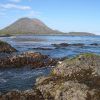
How Alaskan hunter-gatherers preserved their food sources
A new study of humans on Sanak Island, Alaska and their historical relationships with local species suggests that despite being super-generalist predators, the food gathering behaviours of the local Aleut people were stabilizing for the ecosystem.
-
 +25 +1
Researchers find the tipping point between resilience and collapse in complex systems
Honeybees have been dying in record numbers, threatening the continued production of nutritious foods such as apples, nuts, blueberries, broccoli, and onions. Without bees to pollinate these crops, the environmental ecosystem—and our health—stands in the balance. Have we reached the tipping point, where the plant-pollinator system is due to collapse?
-
 +21 +1
Once Parched, Florida's Everglades Finds Its Flow Again
The delivery of fresh water to long-parched areas of Everglades National Park is considered a vital restoration. It's one of the world's largest freshwater wetlands — and the source of South Florida's drinking water supply.
Submit a link
Start a discussion