




















-
 +20 +5
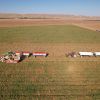
U.S. agriculture agency extends climate funding to small farmers
The U.S. Department of Agriculture will distribute an additional $325 million in funding for projects tailored to smaller-scale farmers to reduce their greenhouse gas emissions, taking its total annual investment in climate-friendly farming to more than $3 billion, the agency announced Monday.
-
 +26 +2
India approves $2.3 billion to develop green hydrogen
The government has approved $2.3 billion to support production, use and exports of green hydrogen, aiming to make India a global hub for the nascent industry. The funding, announced late Wednesday, i s a first step toward establishing the capacity to make at least 5 million metric tons of green hydrogen by the end of this decade.
-
 +17 +4
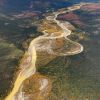
Alaska’s Arctic Waterways Are Turning a Foreboding Orange
The phenomenon threatens local drinking water, and scientists think climate change may be the culprit.
-
 +23 +4
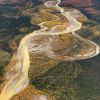
Dozens of once crystal-clear streams and rivers in Arctic Alaska are now running bright orange and cloudy and in some cases, acidic
This otherwise undeveloped landscape now looks as if an industrial mine has been in operation for decades, and scientists want to know why.
-
 +16 +2
Here's how many times you need to reuse your reusable grocery bags
The battle against the single-use plastic bag may not be won but it’s definitely under way. Restrictions on their use are in place in almost a dozen US states and in many other countries around the world. And in many cases, these efforts have been successful at eliminating new sales of thin, wispy plastic bags that float up into trees, clog waterways, leech microplastics into soil and water and harm marine life. (Of course, these restrictions don’t address the plastic bags already out there that will take centuries to decompose.)
-
 +19 +4
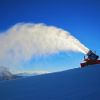
Skiing in the Alps faces a bleak future thanks to climate change
Skiing was introduced into the Alps comparatively late in the 1880s, with the first ski-lift being developed in the Swiss resort of Davos in the winter of 1934. The industrial revolution was two centuries old by that point, but the world climate was still largely pre-industrial. With no reason to worry about the weather, tourism took off.
-
 +25 +2
The U.S. passed a historic climate deal this year — here's a recap of what's in the bill
The Biden administration this year signed a historic climate and tax deal that will funnel billions of dollars into programs designed to speed the country’s clean energy transition and battle climate change. As the U.S. this year grappled with climate-related disasters from Hurricane Ian in Florida to the Mosquito Fire in California, the Inflation Reduction Act, which contains $369 billion in climate provisions, was a monumental development to mitigate the effects of climate change across the country.
-
 +18 +3
McChicken vs. Big Mac: Could environmental labels transform American burger culture?
Climate-related food labeling may be an effective tool to whittle down the beef industry’s carbon footprint, new research argues.
-
 +22 +7
El Niño Is Coming—and the World Isn’t Prepared
Global heating will set the stage for extreme weather everywhere in 2023. The consequences are likely to be cataclysmic.
-
 +19 +4
This Christmas, make sure your chocolate does not harm the planet
Our insatiable demand for chocolate is destroying forests.
-
 +21 +4
Canada's Hudson Bay polar bear population plummets as climate change warms Arctic
Canada's Western Hudson Bay polar bear population has fallen 27% in just five years, according to a government report released this week, suggesting climate change is impacting the animals.
-
 +16 +4
Exxon’s bad reputation got in the way of its industry-wide carbon capture proposal
ExxonMobil has been the prime target of activists and politicians angered by the oil industry’s efforts to block action on climate change. Now, newly disclosed documents confirm that the oil company’s reputational woes have extended into the industry itself and threatened to derail Exxon’s biggest climate proposal to date.
-
 +18 +1
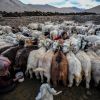
AP photos of climate change around the world in 2022
AP Climate Photos
-
 +2 +1
+2 +1Former White House Chef Says Coffee Will Be 'Scarce' Soon
Former White House chef Sam Kass shared in an interview that he believes coffee and other crops will be "quite scarce" in the next 30 years. And there's plenty of science to back him up.
-
 +20 +3
Fossil Fuel Villain of the Year: Shell CEO Ben van Beurden
Natural gas causes methane emissions. Ben can’t handle hearing that, apparently.
-
 +3 +1
+3 +1Bill Gates: 'Our grandchildren will grow up in a world that is dramatically worse off' if we don't fix climate change
In a letter published Tuesday on his personal blog, Bill Gates addresses areas he has been focusing on in the past year and what lies ahead.
-
 +10 +1
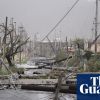
Big oil is behind conspiracy to deceive public, first climate racketeering lawsuit says
Lawyer in a civil lawsuit launched by towns in hurricane-hit Puerto Rico describes why it is using laws used to target mob bosses
-
 +12 +2
Earth's next mass extinction 'will happen by 2100 killing quarter of species'
More than a quarter of the world’s animals and plants will go extinct by the end of the century, warns a new study. The terrifying conclusion comes after scientists consulted one of Europe’s most advanced supercomputers.
-
 +18 +3
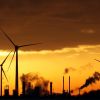
European Union reaches agreement on pivotal carbon market deal
European Union negotiators reached agreement early on Sunday on overhauling the bloc’s carbon market, the bloc’s main policy tool for fighting global warming, the Czech EU presidency and the European Council said.
-
 +11 +1
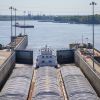
Record low water levels on the Mississippi River in 2022 show how climate change is altering large rivers
Rivers are critical corridors that connect cities and ecosystems alike. When drought develops, water levels fall, making river navigation harder and more expensive. In 2022, water levels in some of the world’s largest rivers, including the Rhine in Europe and the Yangtze in China, fell to historically low levels. The Mississippi River fell so low in Memphis, Tennessee, in mid-October that barges were unable to float, requiring dredging and special water releases from upstream reservoirs to keep channels navigable.
Submit a link
Start a discussion