




















-
 +18 +1
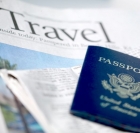
Why humans find it so hard to let go of false beliefs
Lies and distortions don’t just afflict the ignorant. The more you know, the more vulnerable you can be to infection
-
 +12 +1
Bullied youths are much more likely to have violent fantasies, new study shows
About 97% of the most-bullied boys and 73% of the most-bullied girls have violent fantasies, according to a new study of 1,465 young people.
-
 +14 +1
What causes challenging behaviour ?
Types of challenging behaviour
-
 +3 +1
+3 +1Study confirms evolutionary link between social structure and selfishness
One of nature's most prolific cannibals could be hiding in your pantry, and biologists have used it to show how social structure affects the evolution of selfish behavior.
-
 +13 +1
Your Addiction to Outrage is Ruining Your Life
The anger feels so good, but it’s insidious
-
 +18 +1
New study finds that conversations rarely end when people want them to
A new study finds that on average, participants wished their conversations had been 1.9 minutes (or 24%) longer than they were.
-
 +19 +1
The peculiar bathroom habits of Westerners
Many Westerners take morning showers, toilet tissue and sitting toilets for granted. But in much of the rest of the world, these habits are rather strange – and may be less hygienic.
-
 +3 +1
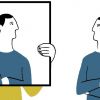
+3 +1The Science of Reasoning With Unreasonable People
Don’t try to change someone else’s mind. Instead, help them find their own motivation to change.
-
 +26 +1
What kind of digital hoarder are you? Study identifies 4 distinct types
How often do you clear out old photos on your phone or tidy up your email inbox? You just may be a digital hoarder, and researchers from Northumbria University have identified four distinct types.
-
 +16 +1
Bathroom Reading
The pandemic has helped expose an urgent problem—the widespread lack of public washrooms. Rose Hendrie on where we can and cannot go.
-
 +30 +1
Survey finds Americans now spend 2-3 months per year on their phones
The survey found that the average American now spends 3 months per year on their phone, or about 4-6 hours per day, or 6-8 hours for teens.
-
 +20 +1
Lockdown or not, personality predicts your likelihood of staying home during the pandemic
Despite more of the population staying at home as government policies on COVID-19 become stricter, a study has found that a person’s personality influences how
-
 +20 +1
Who Plays Hard-to-Get or Is Attracted to It?
Playing hard to get and attachment styles are investigated in a new study.
-
 +3 +1
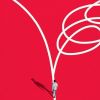
+3 +1We Learn Faster When We Aren’t Told What Choices to Make
The way we decide may even give insight into delusional thinking
-
 +11 +1
Left-handed? Researchers analysed genetic data from 1.7 million people to figure out why
About 10 per cent of Australians are left-handed and genetic analysis of more than 1.7 million people has brought scientists a step closer to understanding why.
-
 +12 +1
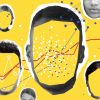
The long, complicated history of “people analytics”
If you work for Bank of America, or the US Army, you might have used technology developed by Humanyze. The company grew out of research at MIT’s cross-disciplinary Media Lab and describes its products as “science-backed analytics to drive adaptability.” If that sounds vague, it might be deliberate.
-
 +6 +1
+6 +1What Makes a Person Creepy?
A new study attempts to pin down what makes a person seem "creepy."
-
 +16 +1
New psychology research sheds light on how social anxiety selectively impairs attentional control
People with higher levels of social anxiety tend to have a harder time shifting their attention away from an angry-looking face towards a happy-looking ...
-
 +14 +1
Why are ‘Karens’ so angry?
Some people say memes of white women confronting Black people provide a handle on behaviors born of entitlement and privilege, while others point to misogyny...
-
 +15 +1
When Choosing What To Believe, People Often Choose Morality Over Hard Evidence
In new studies, many people "reported that morally good beliefs require less evidence to be justified, and that, in some circumstances, a morally good belief can be justified even in the absence of sufficient evidence."
Submit a link
Start a discussion